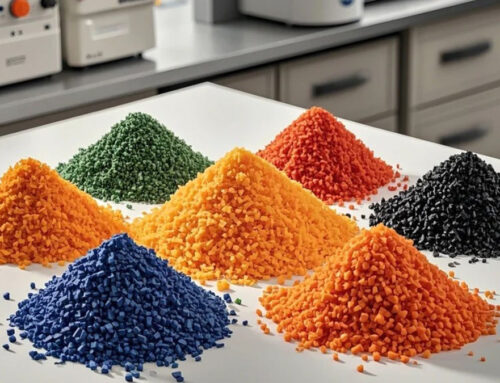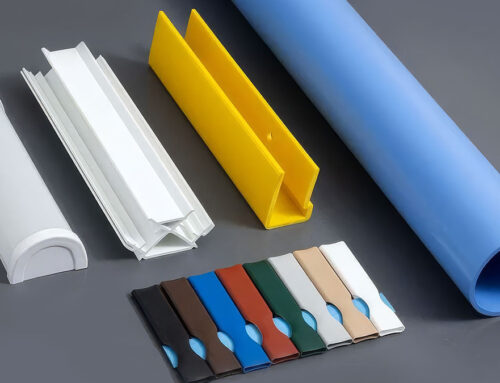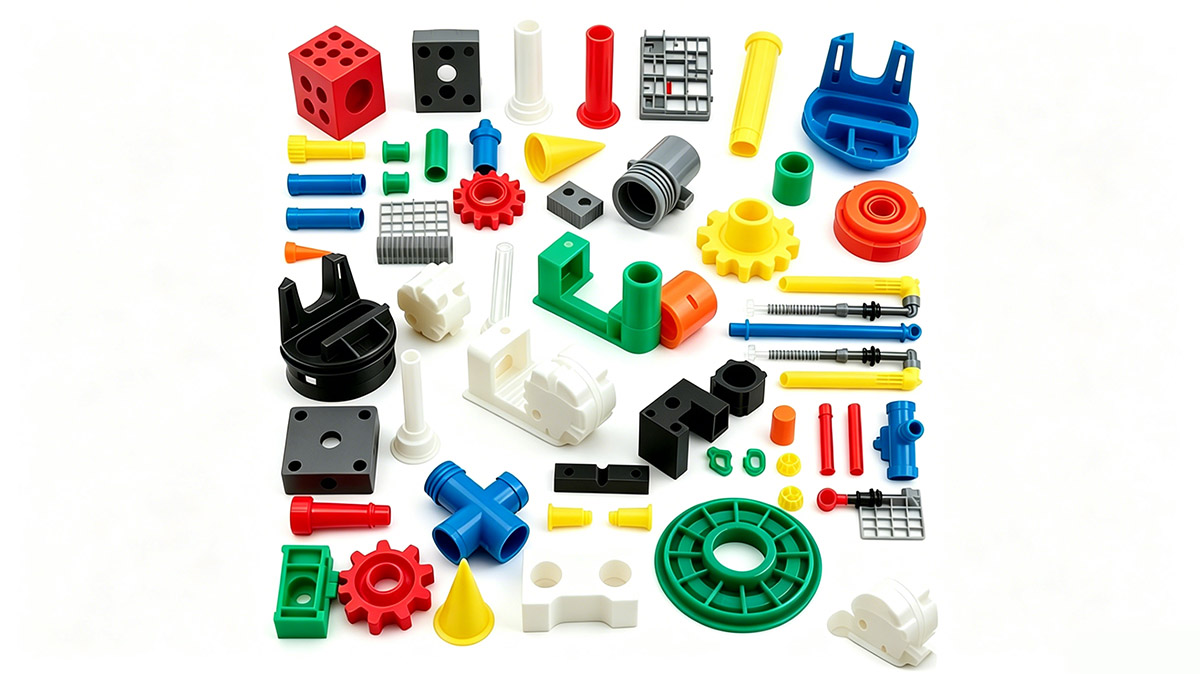
PC/ABS is widely used in high-end manufacturing fields such as electronics and automobiles due to its combination of rigidity and toughness. However, it has always had the problem of flow deviation, which easily leads to molding stress during injection molding, resulting in defects such as silver lines and warping. The core improvement method is segmented pressure holding, combined with auxiliary measures such as material drying and mold temperature control, which can efficiently reduce residual stress and ensure stable product quality.
KingStar, as a leading injection molding company, we have previously focused on the easily overlooked segmented holding pressure method. Combining industry data and theoretical research, we will provide a detailed introduction to the stress improvement method for PC/ABS molding, providing efficient process optimization ideas for technicians.
1. Scientific Theory of Pressure Holding Stage
To master the stress improvement methods for PC/ABS molding, it is necessary to first clarify the essential core role of holding pressure, which is the basis for developing scientific processes.
1.1 Precision Control: Defining the V/P Switch and Gate Freeze Point
Injection molding pressure holding, also known as supplementary or secondary injection, refers to the process in which the injection machine screw or plunger continuously applies pressure to the molten material in the mold cavity after the filling stage. And the mold cavity is basically filled with molten material, until the plastic in the gate area is completely solidified. The starting time is the V/P switching point (speed control switches to pressure control), and the end is the moment when the gate freezes. Accurately controlling this boundary is crucial: stopping pressure holding too early can lead to insufficient compensation, while stopping it too late can exacerbate stress concentration.
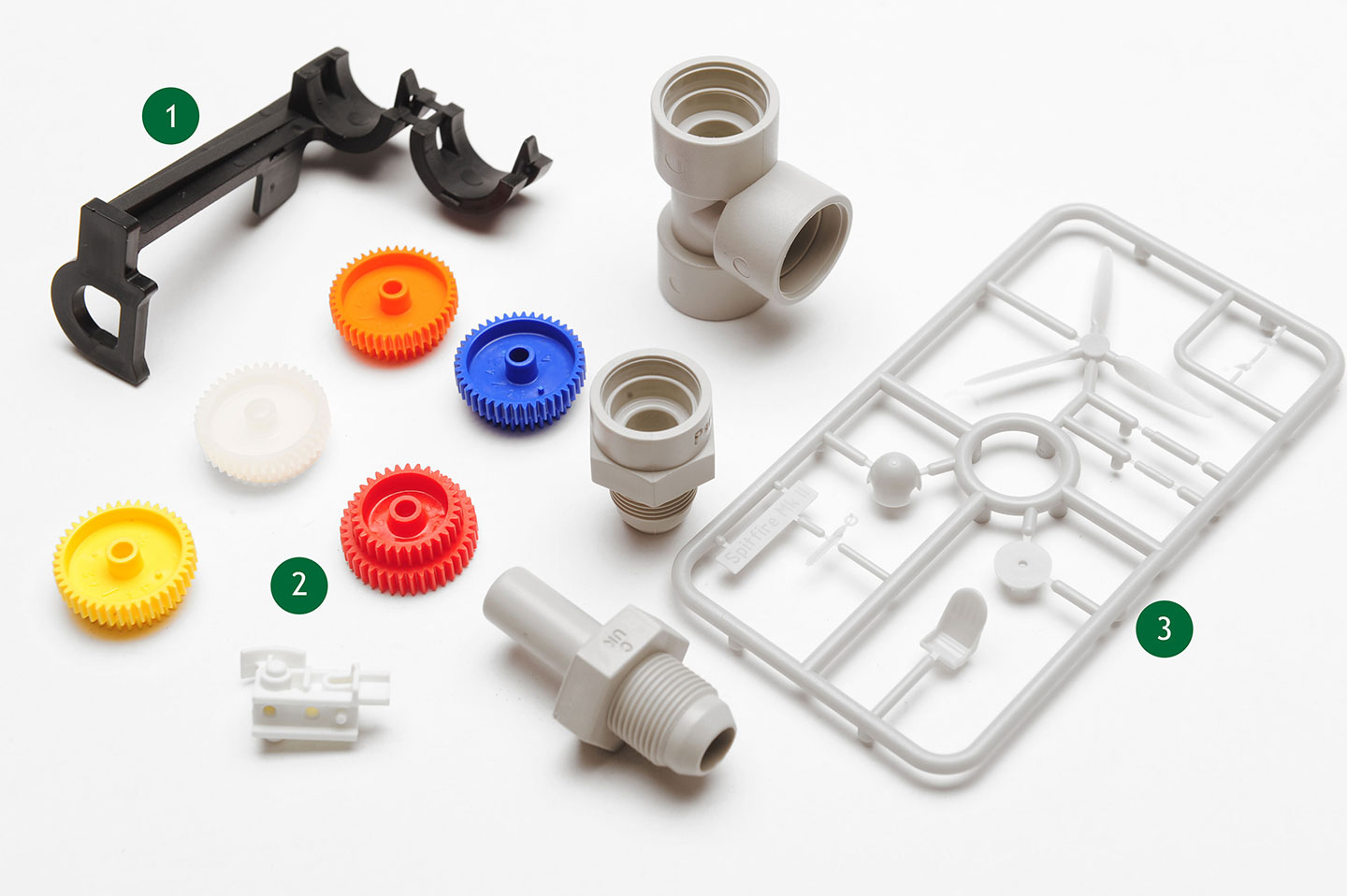
1.2 The Physics of PVT: Counteracting Volumetric Shrinkage
The core of pressure holding is to establish a dynamic pressure field to counteract the volume shrinkage during the cooling and solidification of PC/ABS melt, which is closely related to the PVT (pressure volume temperature) properties. Under high temperature and high pressure, the molecular chain spacing of the melt is large and the density is low. After injection into a low-temperature mold, severe cooling causes the molecular chains to arrange tightly, resulting in uneven volume shrinkage. PC/ABS, as an amorphous alloy, although does not have the severe shrinkage of crystalline plastics, uneven cooling can still lead to local shrinkage differences.
Lack of holding pressure can lead to a sudden drop in pressure inside the mold cavity, causing problems such as poor adhesion of the melt to the mold wall, surface defects, and internal sink marks. And by continuously applying pressure, the subsequent melt is pressed into the mold cavity, filling the shrinkage space, balancing pressure and melt flow, and reducing stress caused by uneven shrinkage.
1.3 Why Does Holding Pressure Matter for Reducing Internal Stress and Increasing Density
The core purpose of scientifically setting pressure holding parameters can be summarized into five points, all of which are directly related to forming stress and product quality:
- Compensate for cooling shrinkage: Eliminate defects such as sink marks and voids, and avoid stress concentration caused by local shrinkage differences;
- Ensure dimensional accuracy: Regulate the molding shrinkage rate to ensure the key dimensions and batch consistency of PC/ABS products (such as electronic and automotive components);
- Improve mechanical performance: Make the interior of the product denser, enhance rigidity, impact toughness, and stress cracking resistance;
- Reduce residual stress: By implementing a reasonable pressure holding strategy (such as segmented pressure holding), reduce residual stress caused by uneven shrinkage and control warpage;
- Prevent melt backflow: Avoid short shot defects and local stress fluctuations caused by melt backflow to ensure complete filling.
2. In-Depth Analysis of Multi-Stage Pressure Holding
Multi-Stage pressure holding is a key method to improve the forming stress of PC/ABS, which requires precise adjustment of parameters based on material characteristics and product structure.
2.1 Why Is It Necessary to Maintain Holing Pressure?
Traditional constant pressure holding (usually 80% of injection pressure) is simple to operate, but its limitations are prominent when dealing with flowability deviations and complex structures of PC/ABS products. The fundamental reason is that the cooling and solidification of the melt is a dynamic process with non-uniform time and space: in terms of time, high pressure is required for rapid shrinkage in the early stage of filling, and low pressure is required for slow shrinkage in the later stage. In terms of space, the near gate and thin-walled areas solidify first, while the far end and thick walled areas solidify later.
Using a single pressure to cover the entire process of constant holding pressure cannot match the dynamic shrinkage requirements. This can easily lead to insufficient thick/far end shrinkage, stress concentration near the gate/thin wall, and cause problems such as warpage and cracking. Multi-stage pressure holding decomposes the pressure holding process into multiple stages, independently controlling the pressure and time of each stage, achieving precise compression and addressing pressure points during constant pressure holding.
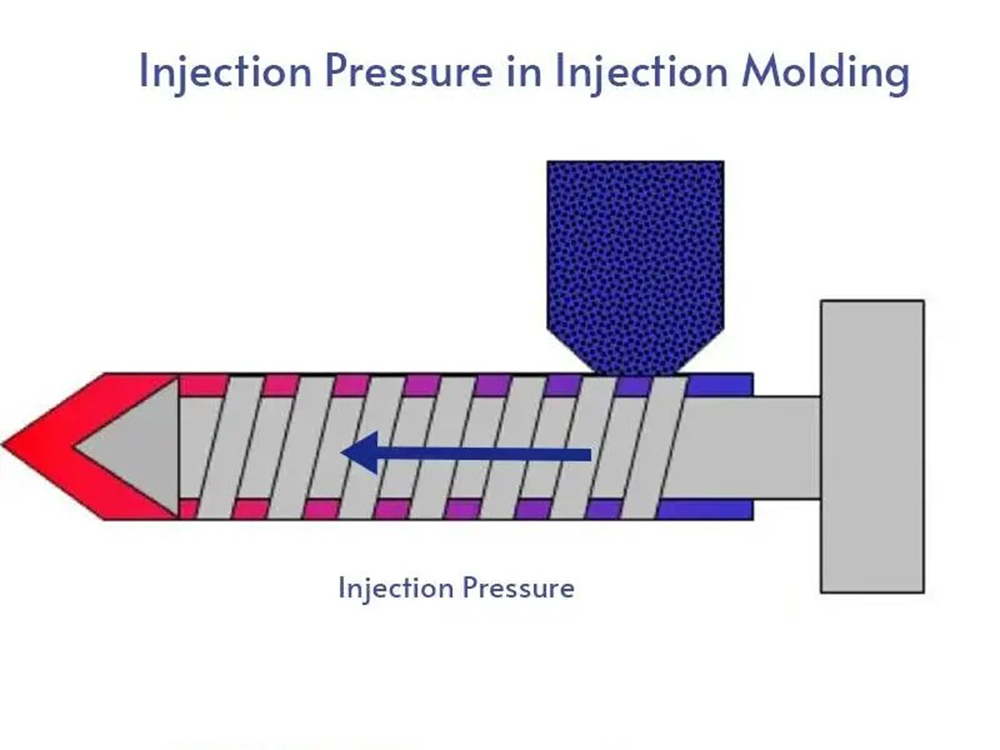
2.2 Advantages of Multi-Stage Pressure Holding
Compared to constant pressure holding, multi-stage holding has four core advantages for PC/ABS:
- Precise compensation for shrinkage: adapted to the characteristics of PC/ABS fluidity deviation, through the combination of “high pressure medium pressure low pressure”, targeted compensation for shrinkage in different stages and regions, reducing local stress;
- Reduce residual stress: Gradually reduce pressure in the later stage to provide stress relaxation time for molecular chains. Residual stress can be reduced by more than 30%, and the stress cracking resistance time can be extended by 2-3 times;
- Adapt to complex products: Flexibly adjust the pressure at each stage, taking into account thick wall shrinkage, embedded protection, and thin-walled anti flying edges, balancing filling integrity and stress control;
- Improve batch stability: With more adjustable parameters, it can cope with fluctuations in raw material batches and equipment status, and the process window can be expanded by 20% -30%.
2.3 Best Practice for Optimizing 3-Stage Parameters for PC/ABS
Multi-stage pressure holding should follow the core strategy of “decreasing pressure with cooling process”, and priority should be given to using three-stage pressure holding. The specific parameters are as follows (can be adjusted according to the product wall thickness and flow length ratio):
- Stage 1 (high-pressure rapid compensation): Pressure 40-60MPa (approximately 50%-70% of the maximum injection pressure), time 1-3 seconds. Quickly supplement the shrinkage of remote end of the mold cavity and the thick wall area;
- Stage 2 (medium pressure continuous compensation): Pressure 25-40MPa, time 3-8 seconds (longest stage), continuous shrinkage and promotion of molecular chain stress relaxation, thick walled products can extend the time;
- Stage 3 (low-pressure backflow prevention): Pressure 10-20MPa, time 1-3 seconds, continuous until the gate freezes, total holding time 5-15 seconds (to be verified by weighing method).
In addition, the linear pressure reduction mode of advanced injection molding machines is more in line with the continuous cooling shrinkage requirements of PC/ABS melt, which can further reduce residual stress. This is suitable for stress sensitive products such as transparent shells.
3. Troubleshooting Common PC/ABS Defects
The forming stress of PC/ABS is often accompanied by defects such as silver lines, warpage, and insufficient impact toughness. It is necessary to combine pressure holding strategies to achieve collaborative improvement.
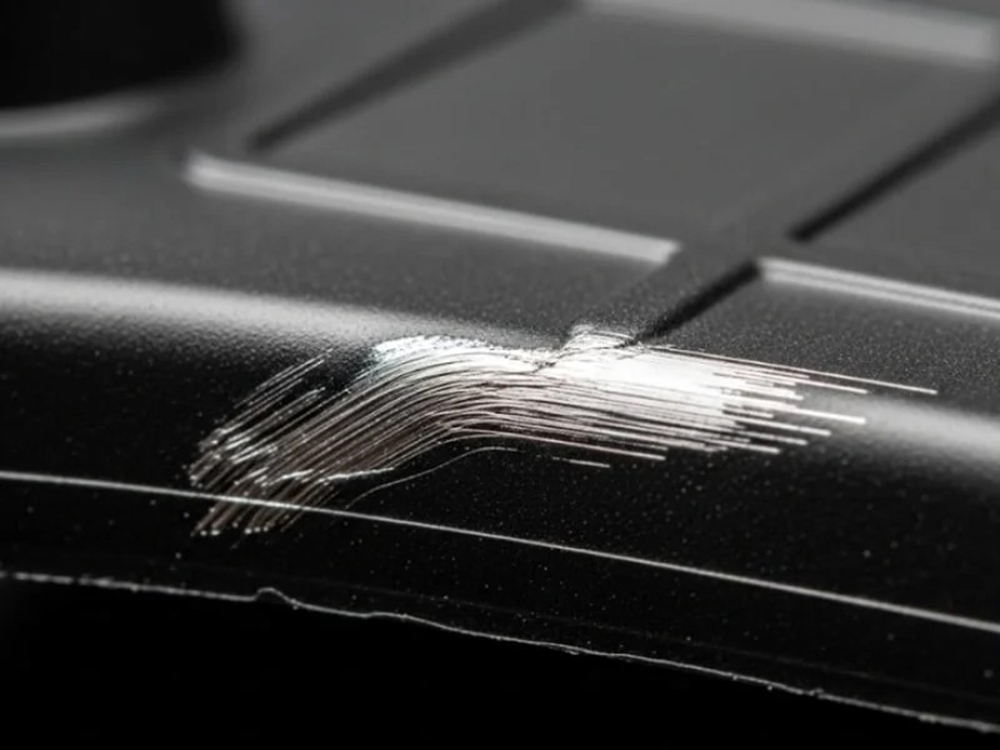
3.1 How to Eliminate Silver Streaks: Balancing Flow and Stress Concentration
The generation of silver lines is closely related to the holding pressure: insufficient holding pressure leads to loose adhesion of the melt, while excessive holding pressure or large fluctuations lead to stress concentration, which exacerbates silver lines and accompanies the risk of cracking.
Collaborative improvement plan: The material needs to be dried at 100-120℃ for 2-4 hours (moisture content<0.04%), and the temperature of the material barrel should be controlled at 230-270 ℃. Multi-stage holding pressure can increase the first stage pressure (close to 60MPa), shorten the time (1-2 seconds), reduce the third stage pressure (10-15 MPa), and extend it by 1-2 seconds. Cooperate to increase the mold temperature to 80-100 ℃, reduce the injection speed, fine tune the V/P switching point, and avoid excessive squeezing.
3.2 How to Minimize Warpage: Achieving Uniform Shrinkage Control
The core cause of warpage is uneven distribution of residual stress, mainly due to an unreasonable pressure holding strategy that cannot adapt to the cooling differences in different areas of the product, resulting in inconsistent shrinkage rates.
Collaborative improvement plan: Optimize multi-stage holding pressure, increase the first stage pressure (50-60MPa) in thick walled areas, extend the second stage time (5-8 seconds), and appropriately reduce the first stage pressure (40-45MPa) in thin-walled areas. Determine the freezing time of the gate through weighing method and accurately control the total holding time. Optimize the cooling system to ensure uniform cooling of thick and thin walls, and preheat the embedded parts to 80-90 ℃. Raise the mold temperature to 90-105 ℃, extend the cooling time, and promote stress relaxation.
3.3 How to Enhance Impact Strength: Stress Relaxation Techniques
Molding stress can cause disordered and tangled PC/ABS molecular chains, reduce impact toughness, and make stress concentration near the gate prone to brittle fracture. The internal voids caused by insufficient holding pressure can also exacerbate this problem.
Collaborative improvement plan: The multi-stage pressure holding adopts the strategy of “high pressure short compensation and contraction, medium pressure long relaxation, and low pressure backflow prevention”, with the first section at 45-55MPa, the second section at 30-35MPa (6-8 seconds), and the third section at 15-20MPa. Select PC/ABS grade with melt index of 10-20g/10min, and ensure thorough drying of the material; Reduce injection pressure and speed, increase mold temperature and barrel temperature; If necessary, annealing treatment (holding at 100-110 ℃ for 2-3 hours, slow cooling) can increase the impact strength by 15% -25%.
4. Summary and Practical Suggestions on PC/ABS Stress Control
The core of stress improvement in PC/ABS molding is to understand the essence of holding pressure, accurately control multi-stage holding pressure, and collaboratively optimize process parameters. Without relying on equipment upgrades, residual stress can be effectively reduced and associated defects can be solved. Based on the previous text, the following practical suggestions are provided for frontline technical personnel:
(1) Priority should be given to using three-stage pressure maintenance, following the principles of “high pressure short compensation and contraction, medium pressure long relaxation, and low pressure backflow prevention”, referring to the parameter range in the article, and making slight adjustments based on product characteristics to avoid copying;
(2) Determine the freezing time of the gate through weighing method, control the V/P switching point (filling amount 92% -97%), and avoid holding pressure too long/too short and excessive filling;
(3) Collaborative optimization of auxiliary parameters to ensure thorough drying of materials, appropriate mold and barrel temperatures, moderate injection speed and pressure, and reduced shear and cooling stresses;
(4) Targeted solutions for related defects, with a focus on optimizing the pressure holding fit and mold temperature for silver patterns, balancing pressure holding and cooling uniformity for warping, and extending stress relaxation time for insufficient impact;
(5) Before mass production, the process stability is confirmed through stress testing, appearance and mechanical performance testing, combined with small-scale trial production (100-200 pieces).
The stress control of PC/ABS molding is a systematic engineering that requires the combination of material, product, and equipment characteristics, as well as the coordination of various process parameters, in order to achieve dual improvement in product quality and production efficiency. In the future, if relevant problems arise, targeted debugging can be carried out based on the theory presented in this article to avoid detours.
If you have technical challenges related to PC/ABS molding or are seeking a professional custom plastic part manufacturer, please feel free to contact us at sales@kingstarmold.com, and we will get back to you within 24 hours. We will provide professional, customized solutions. We look forward to collaborating with partners across various industries, empowering high-end manufacturing upgrades with professional injection molding technology.

Boasts more than 20 years of professional experience in the manufacturing industry, with profound expertise in injection molding and mold building. Possesses comprehensive technical capabilities covering mold design, processing and molding optimization, providing reliable technical support for product development and production.