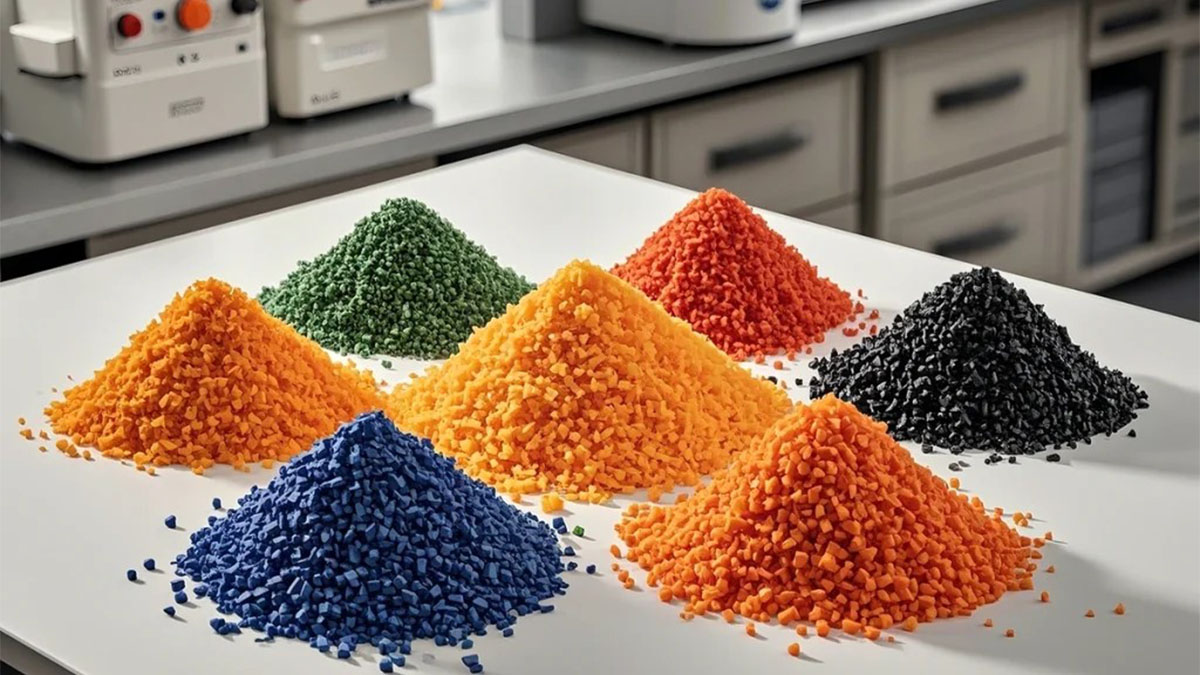
In the field of injection molding, ABS, PPO, PBT, and POM are widely used engineering plastics. Each with unique physical, chemical, and molding properties, suitable for different processing scenarios and product requirements. The precision of material selection directly affects the quality, processing efficiency, and performance of injection molded products. So it is crucial to clarify the characteristic differences of various materials.
Choosing the wrong material may result in product cracking, dimensional deformation, or cost overruns. KingStar has compiled a clear material selection guide for four commonly used plastics, ABS, PPO, PBT, and POM, based on years of experience in custom mold production. The following text will break down their core parameters and applicable scenarios in detail, helping your product avoid the “material trap” from the source.
1. Wear-Resistant “Steel Substitute”-POM
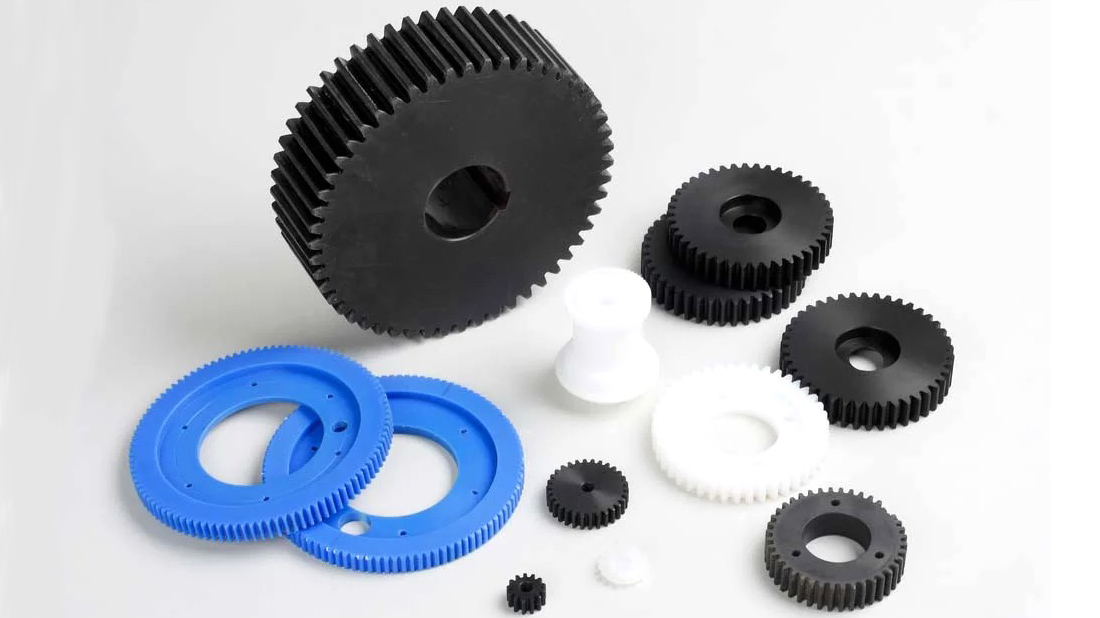
POM is known as “steel substitute” due to its performance comparable to steel and lightweight. It is a high-density, high crystallinity thermoplastic engineering plastic with excellent friction resistance as its core advantage. It is an ideal material for transmission and wear-resistant parts.
(1) Core Molding Parameters
- Specific Gravity: 1.41-1.43g/cm³;
- Molding Shrinkage Rate: 1.2-3.0%;
- Molding Temperature: 170-200 ℃;
- Drying Conditions: 80-90 ℃ for 2 hours
(2) Material Properties
Excellent comprehensive performance, high strength and stiffness, outstanding wear resistance, low water absorption rate, and good dimensional stability. Shortboard has poor thermal stability, is easy to burn, and is prone to aging when exposed to sunlight in the atmosphere. It has a narrow melting range and is highly prone to decomposition, with a decomposition temperature of 240 ℃. Decomposition produces irritating and corrosive gases.
(3) Molding Performance
Crystalline material, with fast melting and solidification speed, moderate flowability, low moisture absorption, and can be left without drying; Low friction coefficient, good elasticity, and prone to wrinkle pattern defects on the surface of plastic parts; The mold needs to be made of corrosion-resistant steel.
(4) Scope of Application
Wear reducing and wear-resistant parts, transmission parts, as well as various parts in the fields of chemical engineering, instrumentation, etc.
2. High Heat Resistance, Easy Molding, Wide Adaptability for Modification-PBT
PBT is a milky white semi transparent to opaque crystalline thermoplastic polyester with fast crystallization speed. It is one of the preferred materials for injection molding. It is often modified by glass fiber reinforcement or inorganic filling to compensate for its own defects. And its performance is greatly improved after modification.
(1) Core Material Properties
Its main properties include high heat resistance, fatigue resistance, toughness, self-lubricating, low friction coefficient, good weather resistance, water absorption rate of only 0.1%. So it is able to maintain various physical properties including electrical performance in humid environments, and good electrical insulation. However, it has high volume resistance and dielectric loss, poor hydrolysis resistance, low notch impact strength, high molding shrinkage rate. It is susceptible to corrosion by halogenated hydrocarbons, and is resistant to hot water, alkali, acid, and oil.
(2) Molding Requirements
Good formability, can quickly crystallize at low temperatures, and needs to be pre dried to a moisture content of 0.02% before molding. The longitudinal and transverse shrinkage rates of glass fiber reinforced products are inconsistent, making them prone to warpage.
(3) Processing and Application Scope
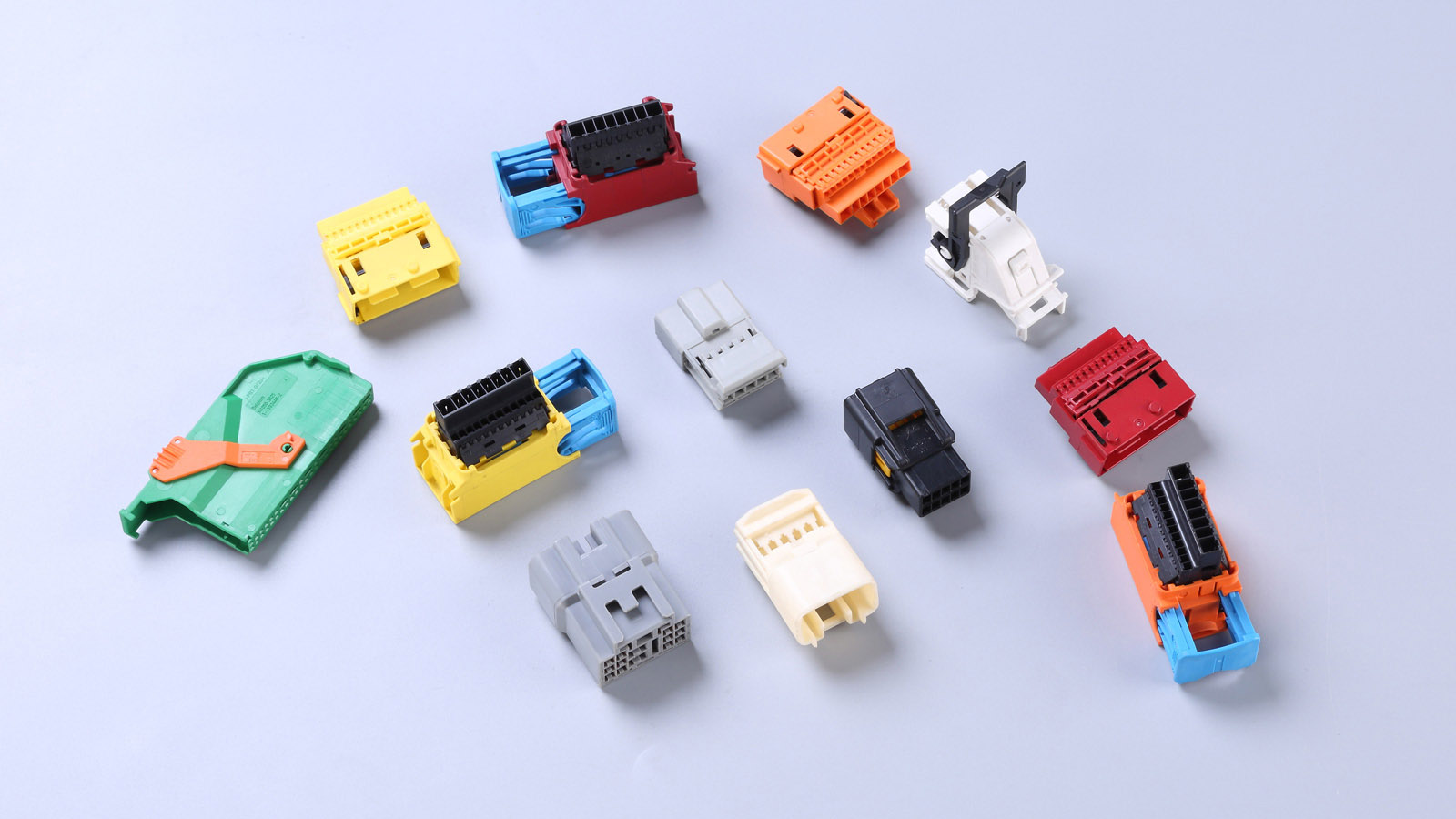
The most suitable for injection molding processing, it can also be processed through extrusion, blow molding, coating and other methods; Enhanced/modified PBT is widely used in the fields of automobiles, industrial machinery, electronic appliances, etc., such as automotive distributors, ignition coil bobbins, deflection coils, switch connectors, motor end caps for electronic appliances, as well as transportation machinery, textile machinery parts, iron covers, baking oven components, etc.
3. High Insulation and Temperature Resistance, Food-Grade Applicable-PPO
The PPO available in the market is mostly a modified material (MPPO) blended with HIPS. It is a white granular plastic with excellent electrical insulation and water resistance as its core advantages. Its dielectric properties rank first among plastics, and it is lightweight and non-toxic. What’s more, it can be used in the food and pharmaceutical industries.
(1) Core Molding Parameters
- Specific Gravity: 1.07 grams per cubic centimeter;
- Molding Shrinkage Rate: 0.3-0.8%;
- Molding Temperature: 260-290 ℃;
- Drying Conditions: 130 ℃ for 4 hours
(2) Material Properties
Good comprehensive performance, can be used in steam at 120 ℃, with low water absorption and high heat resistance. The glass transition temperature is 211 ℃, the melting point is 268 ℃, and the heat deformation temperature can reach 190 ℃. The higher the PPO content, the better the heat resistance. Good flame retardancy and spontaneous combustion, with moderate flammability when mixed with HIPS. There is a tendency for stress cracking, which can be eliminated after modification. However, it has poor optical rotation resistance and is prone to discoloration after prolonged exposure to sunlight. When heated to 330 ℃, there is a tendency for decomposition.
(3) Molding Performance
Non crystalline materials have low moisture absorption, and trace amounts of moisture can cause defects such as silver streaks on the surface of the product. It is recommended to dry the material at a temperature not exceeding 150 ℃ (to avoid discoloration). Poor fluidity, viscosity sensitive to temperature, product thickness must be ≥0.8 mm. Prone to decomposition, releasing corrosive gases, requiring strict temperature control. Mold heating and runner systems designed to minimize flow resistance are recommended.
(4) Application Scope
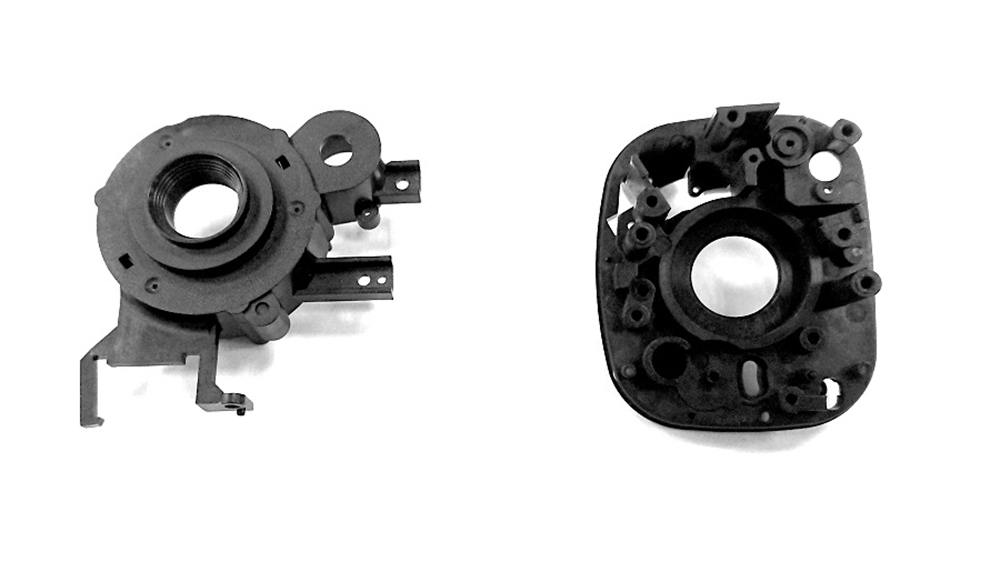
Heat resistant parts, insulation parts, wear-resistant parts, transmission parts, medical and electronic components. It can produce gears, blades, valves and other parts for use at high temperatures, replacing stainless steel. It can also produce electrical parts such as screws, fasteners, motor rotors, and casings.
4. Balanced Properties, Most Widely Used-ABS
ABS is the largest and most widely used polymer, a ternary copolymer of acrylonitrile(A), butadiene(B), and styrene(S). It combines excellent mechanical properties of toughness, hardness, and stiffness. It has good formability and machinability, and is a preferred material for injection molding.
(1) Core Molding Parameters
- Specific Gravity: 1.05g/cm³;
- Molding Shrinkage Rate: 0.4-0.7%;
- Molding Temperature: 200-240 ℃;
- Drying Conditions: 80-90 ℃ for 2 hours;
- Working Temperature: -50~+70 ℃
(2) Material Properties
High impact strength, good chemical stability and electrical properties, excellent wear resistance, chemical resistance, dyeing resistance, water resistance, inorganic salt, alkali and acid resistance, insoluble in most alcohol and hydrocarbon solvents. The disadvantages are low heat distortion temperature, flammability, poor weather resistance, easy solubility in aldehydes, ketones, esters, and certain chlorinated hydrocarbons, slow combustion without melting droplets, and a special cinnamon smell.
(3) Molding Performance
Amorphous material, with high moisture absorption and moderate fluidity, must be fully dried. And Plastic parts with high surface gloss requirements need to be preheated and dried at 80-90 ℃ for 3 hours. Therefore, it is advisable to use high material temperature and high mold temperature, as material temperature exceeding 270 ℃ is prone to decomposition. Precision plastic mold temperature 50-60 ℃, high gloss/heat-resistant plastic mold temperature 60-80 ℃. After processing heat-resistant/flame-retardant materials, molds are prone to residual decomposition products, requiring timely cleaning and increased venting.
(4) Additional Features & Scope of Application
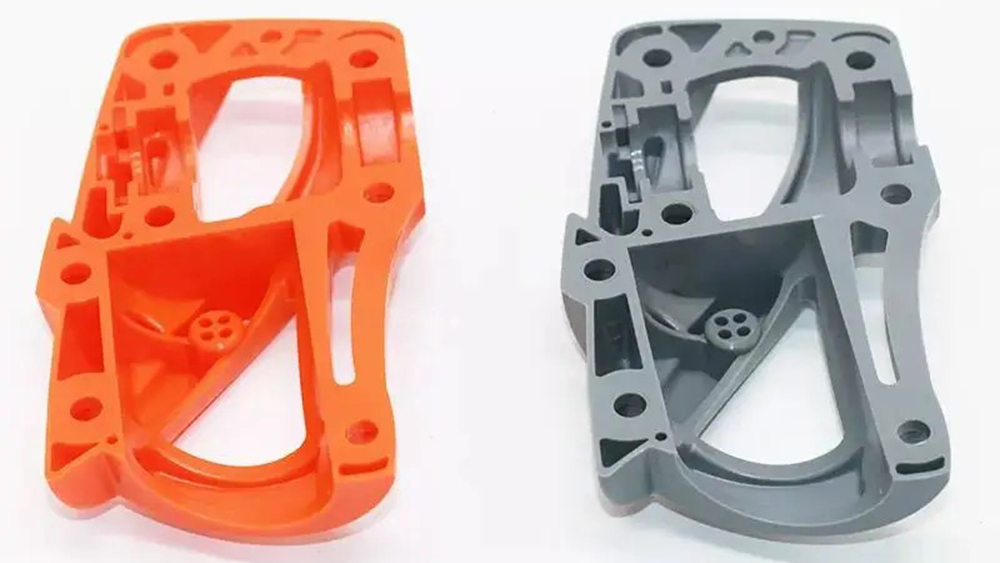
Good weldability with 372 organic glass(PMMA), can produce two-color plastic parts, and can also be chrome plated or painted on the surface. It has multiple levels of high impact resistance, high heat resistance, flame retardancy, reinforcement, transparency, etc. Suitable for producing general mechanical parts, wear-resistant parts, transmission parts, and telecommunications parts.
5. Summary of Core Properties and Differences of the Four Major Injection Molding Plastics
The core differences in performance, molding, and applicable scenarios of the above four types of plastics can be quickly distinguished and accurately matched with material selection requirements through core dimensions:
- Wear Resistant Transmission Selection: POM, with a unique level of wear reduction and resistance, comparable to steel, suitable for various types of transmission and wear-resistant precision parts;
- High Heat Resistance Modified Adaptation: PBT, fast crystallization and easy injection molding, glass fiber modification greatly improves heat resistance and strength, focusing on mass production of automotive, electronic and electrical components;
- High insulation and temperature resistance food grade: PPO/MPPO. With the highest dielectric performance, it can withstand steam at 120 ℃, non-toxic and suitable for the food/pharmaceutical industry, and can also replace stainless steel as high-temperature working condition parts;
- Balanced Properties & General Purpose: ABS, with a balance of toughness, hardness, and rigidity, excellent formability, and a wide range of models, is the most commonly used general-purpose engineering plastic in the injection molding industry, suitable for most conventional injection molding scenarios.
Overall, POM, PBT, and PPO belong to high-performance engineering plastics. They are suitable for precision machining of parts with special requirements such as wear resistance, heat resistance, and insulation. ABS is a comprehensive general-purpose engineering plastic that covers the vast majority of daily injection molding scenarios. When selecting injection molding materials, they can be comprehensively considered based on the product’s performance requirements, processing technology, and cost budget.
If you want to further learn about the properties and applications of injection molding materials, or seek a reliable custom injection mold manufacturer, please feel free to contact KingStar at any time at sales@kingstarmold.com. We can provide customized material solutions and technical support according to the needs of different industries. We sincerely invite all enterprises to work together and explore the path of high-quality material selection and process upgrading in plastic injection molding processing.

Boasts more than 20 years of professional experience in the manufacturing industry, with profound expertise in injection molding and mold building. Possesses comprehensive technical capabilities covering mold design, processing and molding optimization, providing reliable technical support for product development and production.