In the modern automotive industry, sheet metal punching has become an indispensable manufacturing process that enables the production of a wide range of components, including different kinds of brackets. Brackets are used to fix the core components of a vehicle such as the engine, transmission, suspension, and steering gear. Once a bracket breaks or loosens, it may cause the powertrain to shift or the suspension to fall off, directly leading to a serious accident. Therefore, the quality of brackets really matters to the quality of a car.
Although there are many factors that affect the quality of brackets, their manufacturing method serves as the most decisive one. In this article, we will provide you with useful information about precision sheet metal punching and explore its benefits in producing brackets.
What Is Sheet Metal Punching?
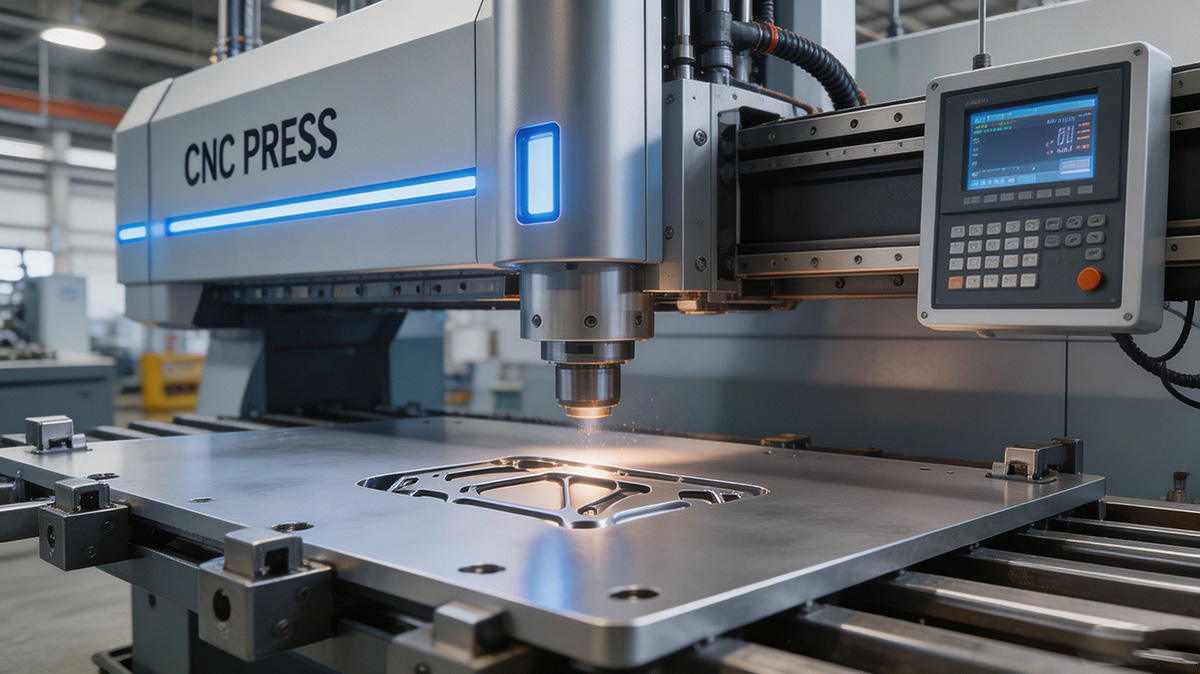
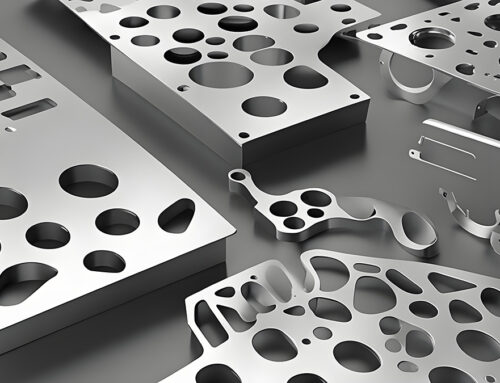
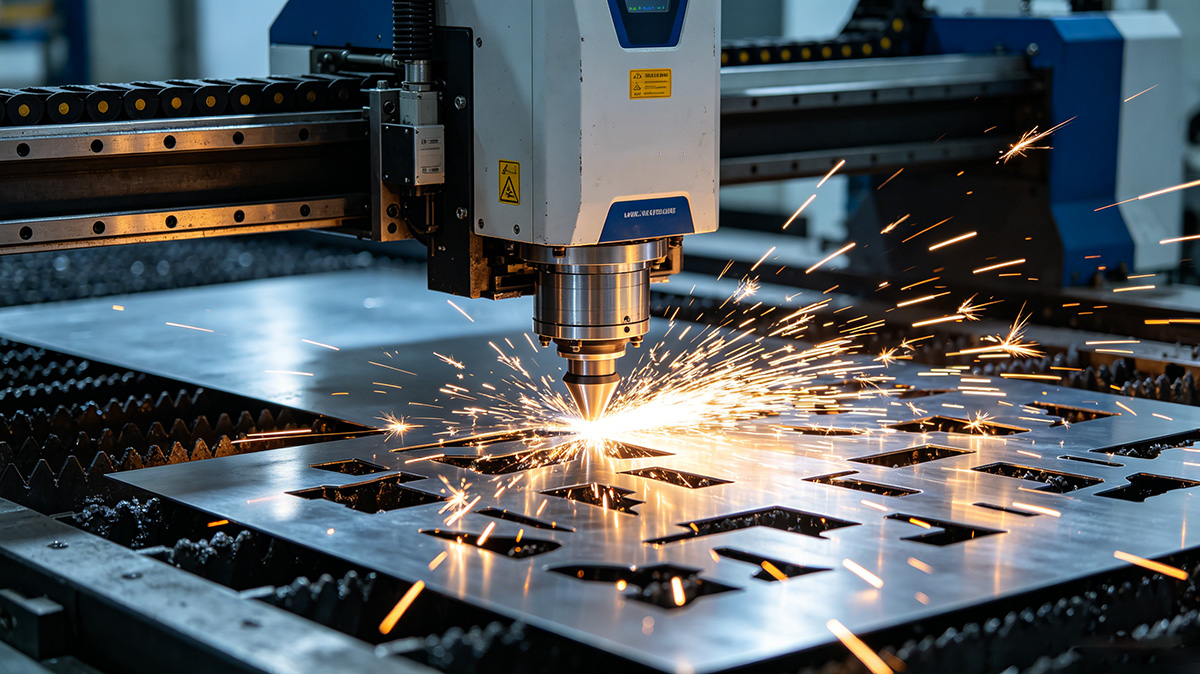
Sheet metal punching is a cold mechanical shearing process that uses a punch and a die set to shear through metal sheets (such as steel sheets, aluminum sheets, copper sheets, etc.) to create holes, slots, or other shapes. During the punching process, external pressure is applied to the metal sheet placed between the molds, causing it to undergo plastic deformation or separation, thereby shaping the parts into the desired shape, size, and accuracy.
Sheet metal punching has been used since the very beginning of the automotive manufacturing industry. In the early 20th century, as the mass production of automobiles began, manufacturers all spared no efforts to seek fast and efficient ways to produce auto parts. That is when the sheet metal punching technique emerged: it has made the manufacturing of intricate parts possible with the lowest scrap rate and shorter production time. Over the years, with the rapid development of technology and the introduction of new equipment, sheet metal punching technique has continued to improve. It is now integrated with CNC (Computer Numerical Control) technology, so punching machines can position the sheet metal and run automatically, thus saving time and energy.
The Automotive Applications of Sheet Metal Punching
In the automotive industry, sheet metal punching is used across nearly every part of a vehicle. Let’s take a look at the subsystems of a car where punching is in common use.
|
Vehicle Subsystem |
Common Punched Parts |
|
Body-in-White (BIW) |
Side doors, roof panel, hood, fender, lift gate, A/B/C pillar, drainage slots, speed holes, etc. |
|
Chassis & Suspension |
Control arm, spring tray, wheel housing, suspension bracket, etc. |
|
Interior & HVAC |
Speaker grilles, vent slots, door hinge and stopper, fuel tank, etc. |
| Electric Vehicles (EVs) |
Battery enclosure, aluminum electric motor housing, lightweight aluminum brackets, etc. |
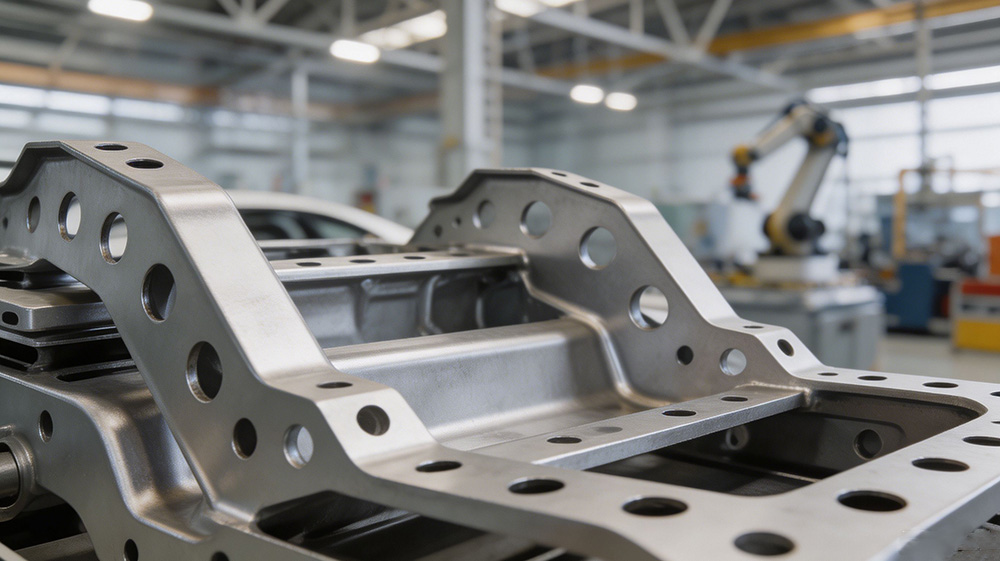
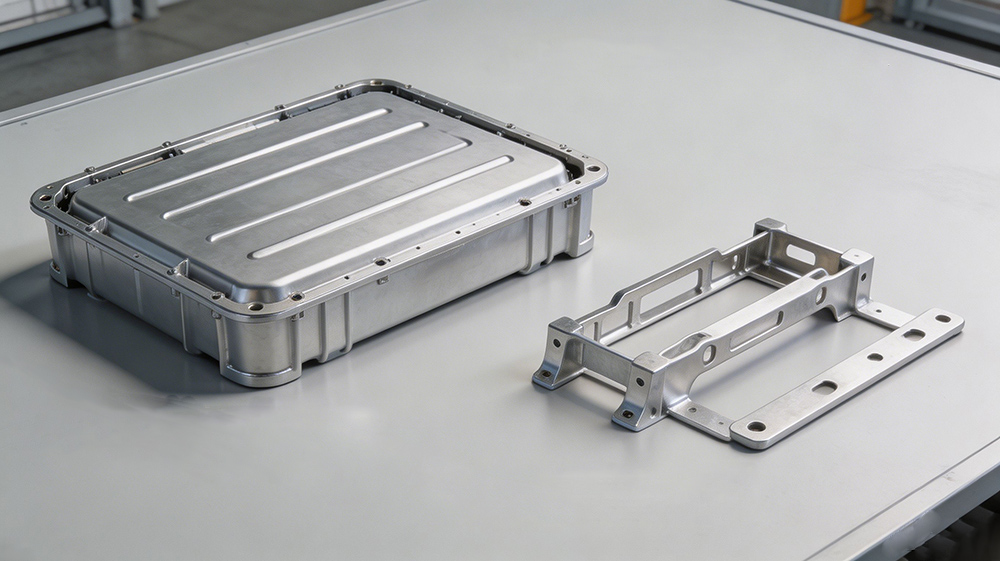
Sheet metal punching is efficient, accurate, and cost-effective. A CNC turret punch press can deliver 400 to 1,600 strokes per minute, making it possible to process hundreds of parts per hour, and each part is exactly the same as the previous one. Moreover, the material utilization rate of punching is usually over 80%, much higher than that of billet machining. For products that need mass production, such as brackets, punching is without doubt the most cost-effective and reliable method.
Why Does Precision Punching Matter for the Quality of Brackets?
1. Positional Accuracy
For any bracket, the most fundamental requirement is that the holes need to be punched at the exact place where they need to be. Otherwise, problems will occur during the assembly process. In the mass production of automobiles, precise CNC punching can achieve a hole-to-hole positional tolerance of ±0.05 mm to ±0.1 mm (approximately ±0.002 inches to ±0.004 inches).
2. Safety Performance
Precision-punched parts have the characteristics of high strength, high rigidity, and high precision. They can withstand various pressures during the driving process and guarantee the vehicle’s structural stability and safety performance. Moreover, precision punching ensures that the brackets are tightly sealed so that water, dust, and noise are prevented from entering the car. This makes the journey in a vehicle safer and more comfortable.
3. Performance and Durability
Parts in various shapes and dimensions can be manufactured by precision punching according to the design and functional needs of the car, such as engine blocks and transmission system parts. Such parts have excellent mechanical and heat-resistant properties, which can improve the power performance of the vehicle and make it more durable.
4. Efficiency and Cost-effectiveness
The precision punching process is efficient, rapid, and flexible. It makes fast-speed large-scale production possible and improves production efficiency. Although the price of a precision punching die is relatively high, the speed of production will be extremely fast once the die is available, thus making the unit cost lower. This is not only beneficial for automobile manufacturing enterprises to enhance competitiveness but also to meet market demands and achieve sustainable development.
FAQs
Conclusion
Although automotive brackets are not conspicuous, they are essential to the structure and performance of a vehicle. The quality of brackets greatly affects the quality of a car, and precision sheet metal punching is without doubt the most suitable manufacturing method of producing them.
At KingStar, we specialize in producing high-quality sheet metal parts using advanced CNC punching technology. As an experienced and reliable sheet metal manufacturer, we understand that precision sheet metal punching is the foundation of bracket quality. Whether your requirements involve high-strength steel, aluminum, or other materials, we are here to meet your needs. Contact us at sales@kingstarmold.com to address your requirements, and we will reply to you as soon as possible.

Boasts more than 20 years of professional experience in the manufacturing industry, with profound expertise in injection molding and mold building. Possesses comprehensive technical capabilities covering mold design, processing and molding optimization, providing reliable technical support for product development and production.