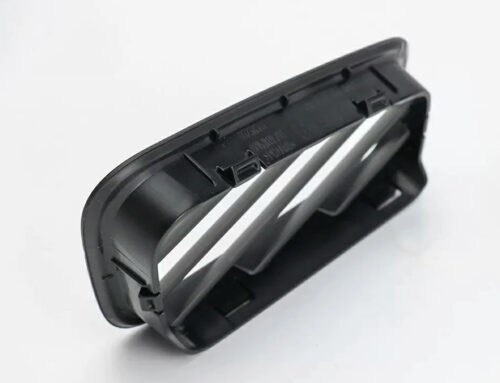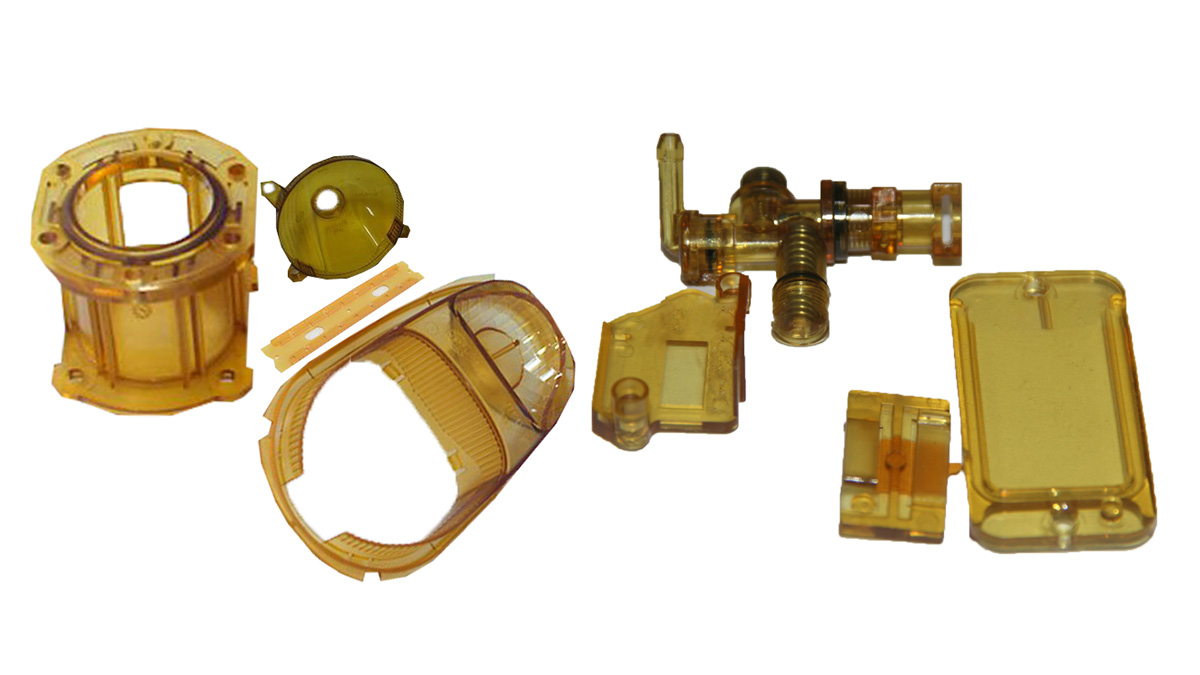
Polyphenylsulfone (PPSU), as an amorphous high-performance special engineering thermoplastic, has been widely used in high-end fields such as medical, automotive, and electronic appliances due to its excellent heat resistance, chemical corrosion resistance, and outstanding mechanical properties. Unlike ordinary plastics, PPSU injection molding process is complex and requires strict operational requirements, requiring strict control from multiple dimensions such as temperature, pressure, mold, material, equipment, etc., in order to balance product quality and production efficiency.
Based on KingStar’s practical experience in plastic injection molding, this article comprehensively summarize the core essentials of PPSU injection molding. We aim to help practitioners avoid production misunderstandings, optimize process parameters, and fully utilize the excellent characteristics of PPSU materials.
Temperature is the core prerequisite for PPSU injection molding, which directly determines the plasticizing effect, melt flowability, and final performance of the product. It is necessary to focus on controlling the barrel temperature and mold temperature, while paying attention to temperature control details.
(1) Barrel Temperature
PPSU has a high melting point, usually between 300-350 ℃, and is sensitive to high temperatures. Excessive heating can easily lead to material degradation, while insufficient temperature can cause incomplete plasticization, affecting product molding. In actual production, a segmented heating mode should be adopted to adapt to the material melting characteristics:
- Feeding Zone: 240-260 ℃, ensure that the raw materials are gradually preheated to avoid clumping and blockage;
- Compression Zone: 280-300 ℃, achieving initial melting and compression of raw materials;
- Metering Zone: 300-320 ℃(domestic material), 320-350 ℃(imported material), ensuring complete melting of the material and obtaining a uniform and stable melt.
At the same time, it is necessary to control the retention time of the melt. Maintain a capacity utilization rate of 30% to 60%, and a retention time of ≤ 15 minutes to prevent high-temperature degradation and blackening of the material, which can lead to performance degradation of the product.
(2) Mold Temperature
The mold temperature has a significant impact on the molding quality and dimensional stability of PPSU products, and it is necessary to maintain a high and uniform temperature level.
- The conventional mold temperature is controlled at 120-180 ℃, and for thin-walled complex parts, it can be appropriately increased to 160-180 ℃ to facilitate melt filling and reduce flow marks;
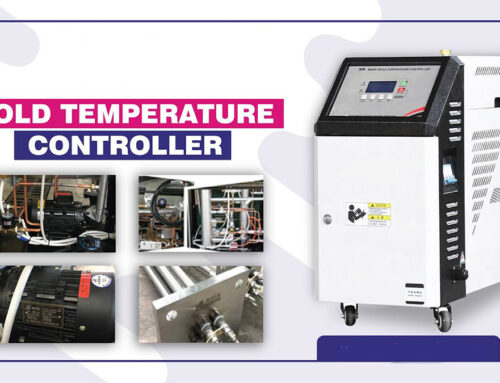
- Priority should be given to using oil temperature machines for temperature control. And electric heating rods should be prohibited. Ensure uniformity of mold temperature within ±5 ℃ to effectively reduce internal stress in the product and avoid deformation after molding;
- An insulation plate needs to be installed between the mold and the injection molding machine plate to reduce heat loss and maintain a constant temperature effect.
2. Pressure Management
PPSU melt has high viscosity and requires scientific pressure control to ensure smooth mold filling and reduce defects. The focus is on injection pressure and holding pressure, while optimizing injection speed.
(1) Injection Pressure and Speed
The injection pressure directly determines the molding quality and compactness of the product. And it needs to be adjusted reasonably according to the product structure and wall thickness:
- Injection Pressure: The conventional setting is 80-120 MPa. And for thin-walled parts, it can be increased to 100-140 MPa. Insufficient pressure can easily lead to short shots and surface defects, while excessive pressure can cause burrs and increased internal stress;
- Injection Speed: PPSU is sensitive to shear heat. And excessively high speed can easily lead to molecular chain breakage and local thermal degradation. It is recommended to inject at medium and low speeds (20-40 mm/s, imported materials can reach up to 50 mm/s), using the “slow front section → uniform middle section → deceleration at the end” mode to balance filling efficiency and melt stability;
- Auxiliary Parameters: The screw speed is controlled at 40-70 rpm, and the back pressure is set at 5-15 MPa to facilitate uniform plasticization and venting inside the material barrel.
(2) Holding Pressure and Time
The core function of holding pressure is to maintain the pressure in the mold cavity after injection, compensating for the cooling shrinkage of the product, and prevent defects such as sink marks and voids:
- Holding Pressure: 40% to 60% of the injection pressure. PPSU has a low and stable shrinkage rate (0.4% to 0.7%), so it does not require high pressure holding to avoid overfilling;
- Holding Time: Set according to a wall thickness of 1 mm/second, with complete solidification of the gate as the endpoint. Usually, it is 5-15 seconds, adjusted according to the size of the product.
3. Mold Design
Mold design directly affects melt flow, venting effect, and part ejection. It is necessary to combine the characteristics of PPSU, such as high viscosity, sensitivity to notches, and susceptibility to internal stress, and focus on optimizing the flow channel, exhaust, cooling, and other structures.
(1) Runner and Gate Design
- Runner: Adopting a fully circular cross-section with a diameter of ≥ 6 mm, as short and straight as possible. Avoid excessive bending and branching to reduce melt flow resistance and ensure uniform filling;
- Gate: Preferably choose side gate or direct gate. Choose a gate thickness ≥80% of the maximum wall thickness of the product to avoid problems such as insufficient pressure holding and sink marks;
- Cold Slug Well: A sufficiently large cold slug well is set at the end of the main channel to prevent cold material from entering the mold cavity and affecting the surface quality of the product.
(2) Venting and Ejection Design
- Venting System: Arrange vent grooves along the weld lines and the end of the material flow. Control the depth at 0.025-0.05mm to ensure smooth exhaust of gases generated during injection and avoid defects such as bubbles, burn marks and silver streaks;
- Ejection Structure: The demoulding slope is set to 1 °~2 °. And the surface roughness Ra of the mold cavity is ≤0.4 μm to prevent mold sticking and ejection marks. All right and acute angles are transitioned into circular arcs to avoid stress cracking caused by PPSU sensitivity to notches.
(3) Cooling System and Mold Material
- Cooling System: The cooling channel is evenly arranged and close to the mold cavity. Combine with an oil temperature machine to achieve fast and uniform cooling, shorten the molding cycle, and reduce internal stress and deformation of the product;
- Mold Material: Select high hardness and wear-resistant materials (such as S136, NAK80) to adapt to the high temperature and high pressure conditions of PPSU injection molding, extending the service life of the mold.
4. Material Management
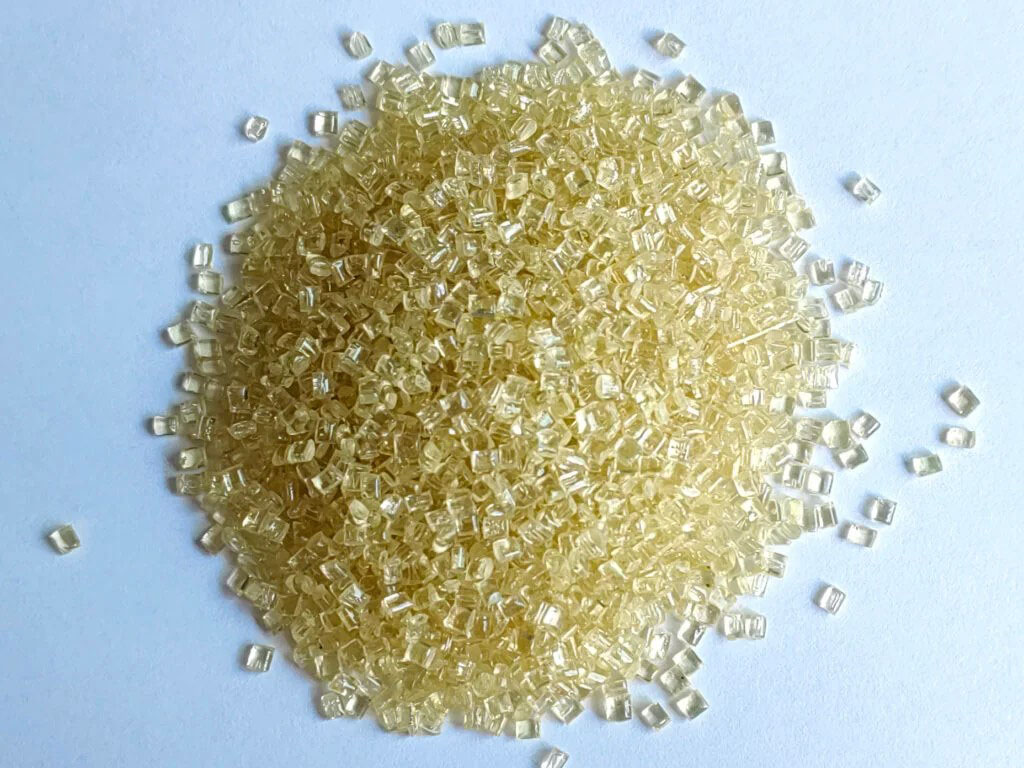
The dryness and purity of PPSU raw materials directly affect the quality of products, and strict control is required from drying treatment, material cleaning, dyeing, and other aspects to eliminate source defects.
- Drying Treatment: PPSU raw materials must be thoroughly dried before injection molding, using a dehumidification dryer with a drying standard of 100-120 ℃ for 4-6 hours to ensure a moisture content of less than 0.02%. After drying, the hopper should be sealed to prevent secondary moisture absorption;
- Material Cleaning: Before changing materials or starting up, thoroughly clean the screw barrel with HDPE or PP, and strictly prohibit mixing with other materials such as PC to prevent degradation and contamination. When shutting down, the material cylinder should be emptied to avoid high-temperature decomposition of residual materials;
- Dyeing Treatment: If dyeing is required, use high-temperature resistant special colorants or color powders. And test the effect of dyeing agents on the transparency and mechanical properties of PPSU in advance to avoid performance degradation.
5. Equipment Selection and Maintenance
Suitable injection molding equipment and regular maintenance are important guarantees for the stability of PPSU injection molding process. Focus on equipment selection, key component maintenance, and daily cleaning.
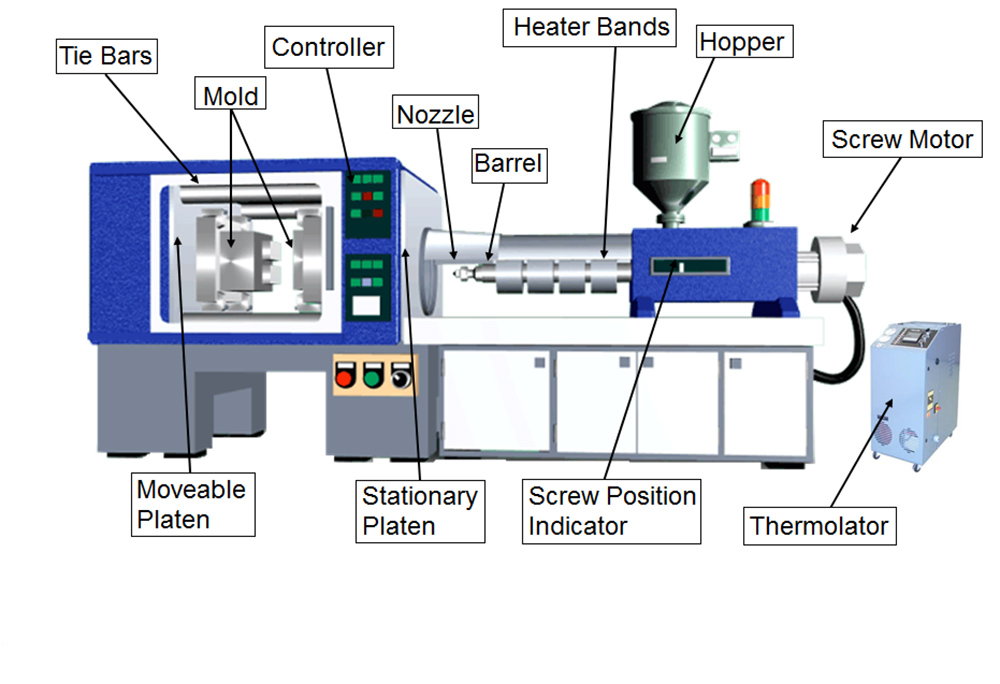
- Equipment Selection: Select an injection molding machine with clamping force calculated at 5.5 kN/cm². Screw compression ratio should be 1.8:1 to 2.4:1. And a length to diameter ratio should be L/D=18:1 to 22:1 (universal screw). The check valve should be of the ring type and the ball type is prohibited. The nozzle should be of universal or full taper type, and reverse taper is prohibited;
- Daily Maintenance: Regularly check the wear and tear of key components such as screws and barrels, and replace them in a timely manner. Regularly maintain and repair the injection molding machine to ensure that the equipment is in good operating condition;
- Security Maintenance: During equipment operation, ensure that the temperature and pressure control systems are functioning properly to avoid safety hazards caused by high temperature and pressure.
6. Post-Processing
After injection molding of PPSU products, it is necessary to eliminate internal stress and optimize surface quality through reasonable post-treatment to meet the requirements of high-end applications.
- Annealing Treatment: Immediately after demolding, annealing is carried out at a temperature controlled between 160-180 ℃ for 1-2 hours. This effectively eliminate internal stress and improve the dimensional stability and mechanical properties of the product;
- Surface Treatment: According to product requirements, surface treatment can be carried out by spraying, electroplating and other methods to improve appearance quality and corrosion resistance;
- Quality Inspection: The focus is on testing the dimensional accuracy, impact strength, and temperature resistance of the products. Medical products require additional biocompatibility verification to ensure compliance with industry standards.
7. Common Defects and Solutions
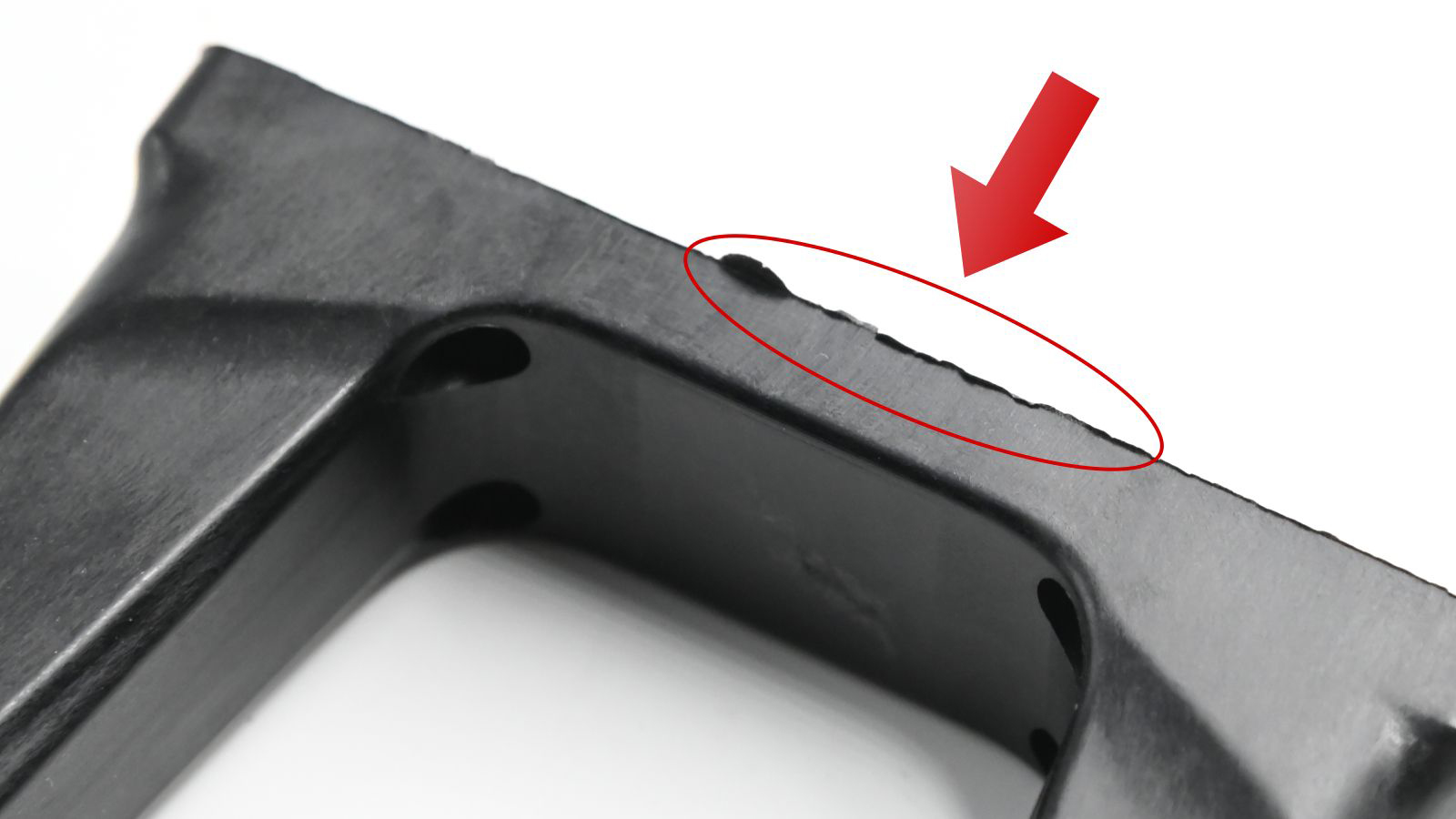
During the production process, it is necessary to promptly identify common defects in PPSU injection molding, adjust process parameters accordingly, and avoid batch quality issues. Specific measures are as follows:
| Common Defects | Main Causes | Solutions |
|---|---|---|
| Bubbles/Silver Streaks | Insufficient drying of raw materials, poor mold venting, and high material temperature | Strengthen dehumidification and drying, optimize vent channels, and reduce the temperature of the metering zone of the barrel. |
| Cracking/Stress Marks | Mold temperature too low, holding pressure too high, gate size too small | Increase mold temperature, reduce holding pressure, and increase gate thickness. |
| Burn Marks/Black Spots | Poor venting, too fast injection speed, and long melt retention time | Improve venting, reduce injection speed, and shorten melt retention time. |
| Short Shots | Low melt/mold temperature, insufficient injection pressure/speed, narrow runner | Raise melt and mold temperature, increase injection pressure and speed, enlarge runner size. |
| Flash | Excessive high injection/holding pressure, insufficient clamping force, and mold wear | Reduce holding pressure, increase clamping force, and inspect the sealing surface of the mold. |
Conclusion
PPSU injection molding is a complex and intricate system engineering that requires the organic integration of temperature, pressure, mold, materials, equipment, and other aspects to accurately control every detail. Practitioners need to fully grasp the characteristics of PPSU materials, optimize process parameters based on actual production, and regularly accumulate practical experience in order to effectively avoid defects, improve product quality and production efficiency. Whether it is high-end medical components or precision electronic casings, only by strictly following the above key points can PPSU’s excellent performance be fully utilized to meet the high-end application needs of various fields.
Want to partner with one-stop manufacturer and purchase custom PPSU parts? Want to get an expert to solve quality problem of PPSU injection molding? Please feel free to contact us at sales@kingstarmold.com or leave online message. We will reply to you within 24 hours.