Custom Manufacturing & Precision Machining Company

Custom Manufacturing Service | OEM / ODM Factory | Worldwide Door-to-Door Delivery

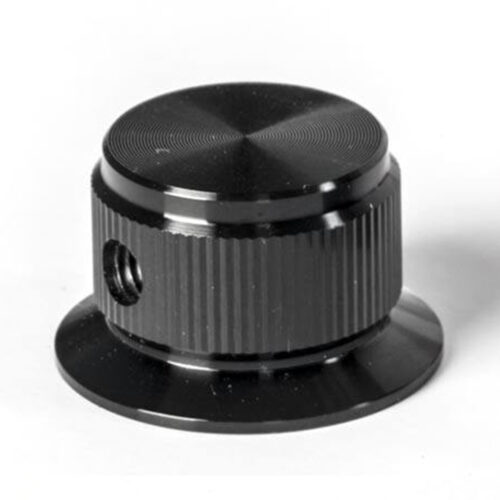
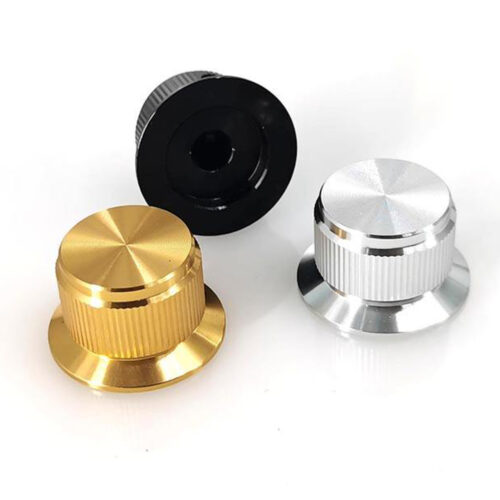
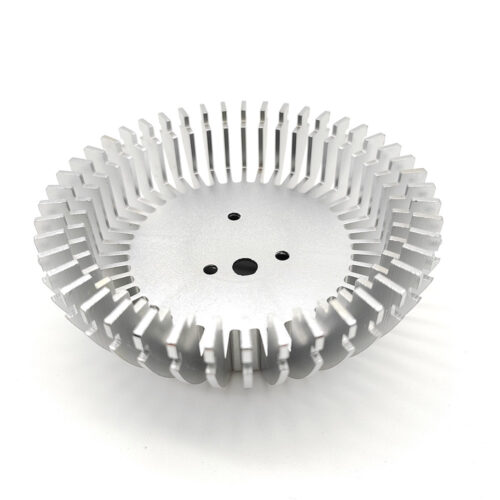
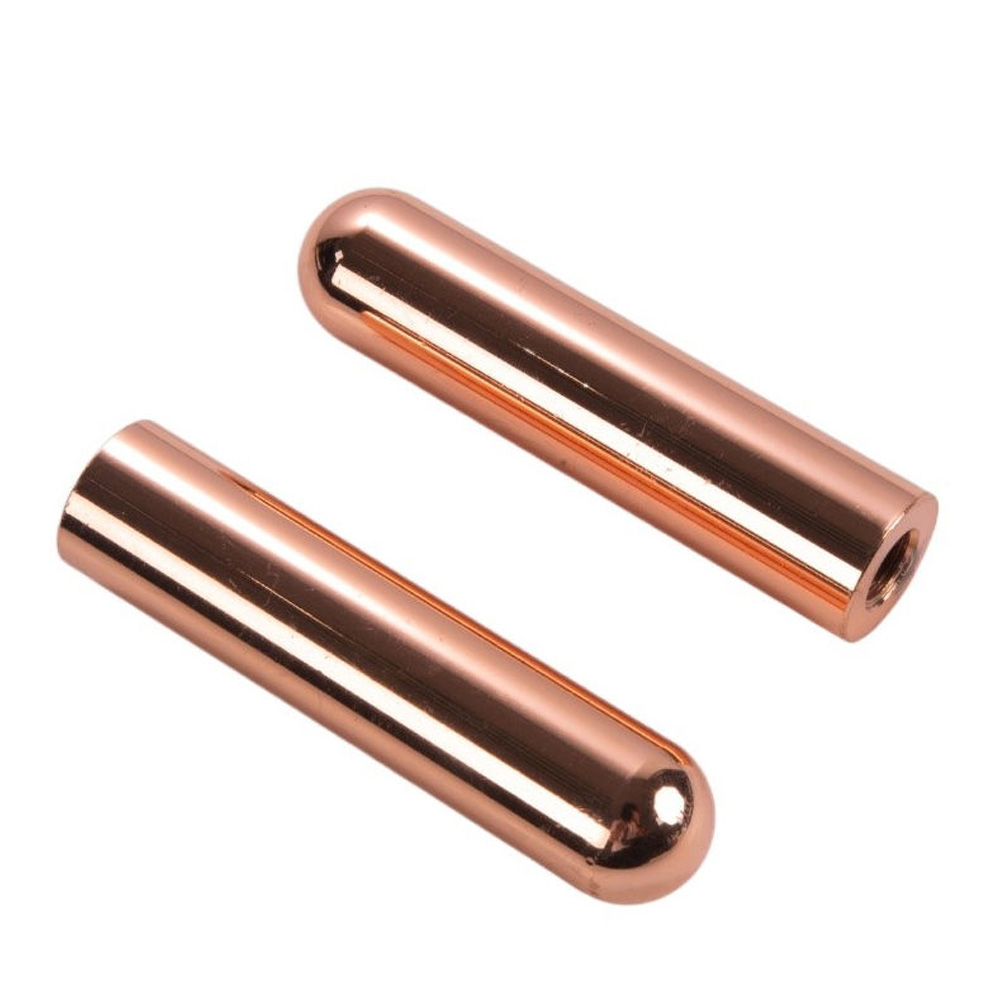
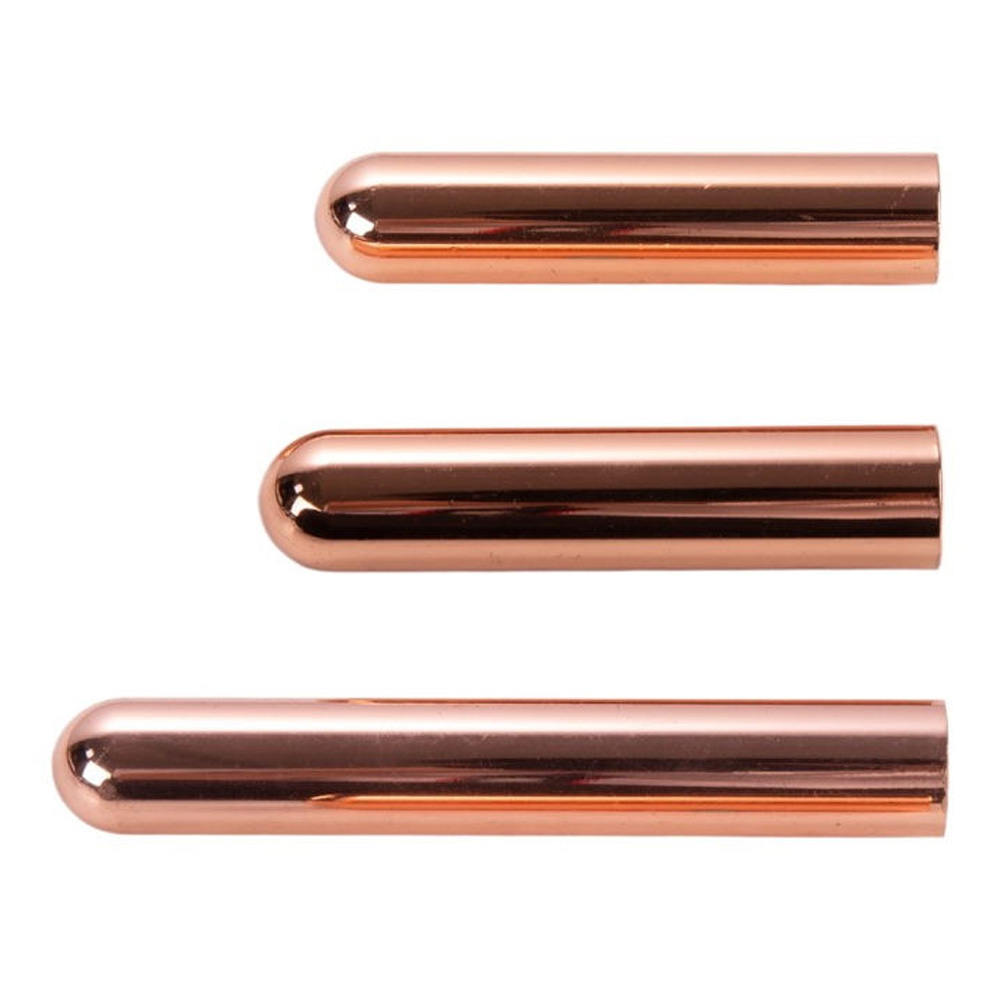
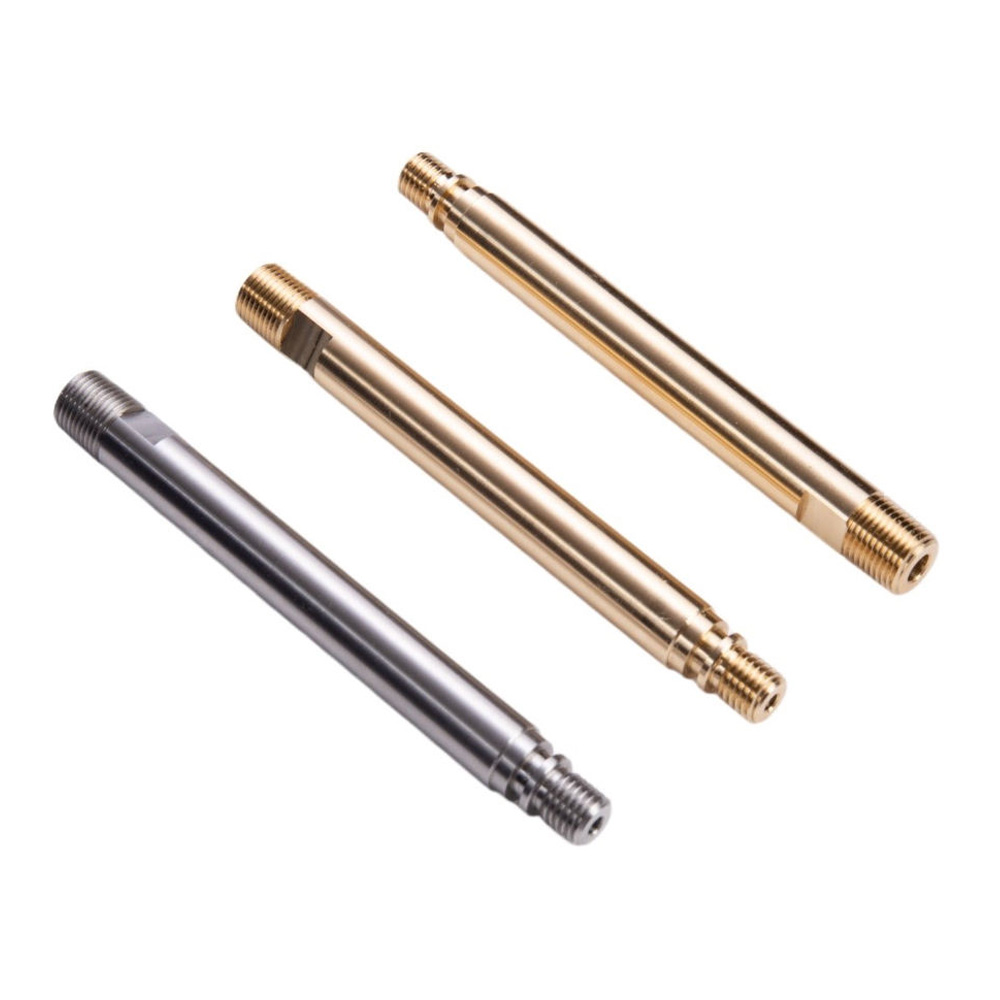
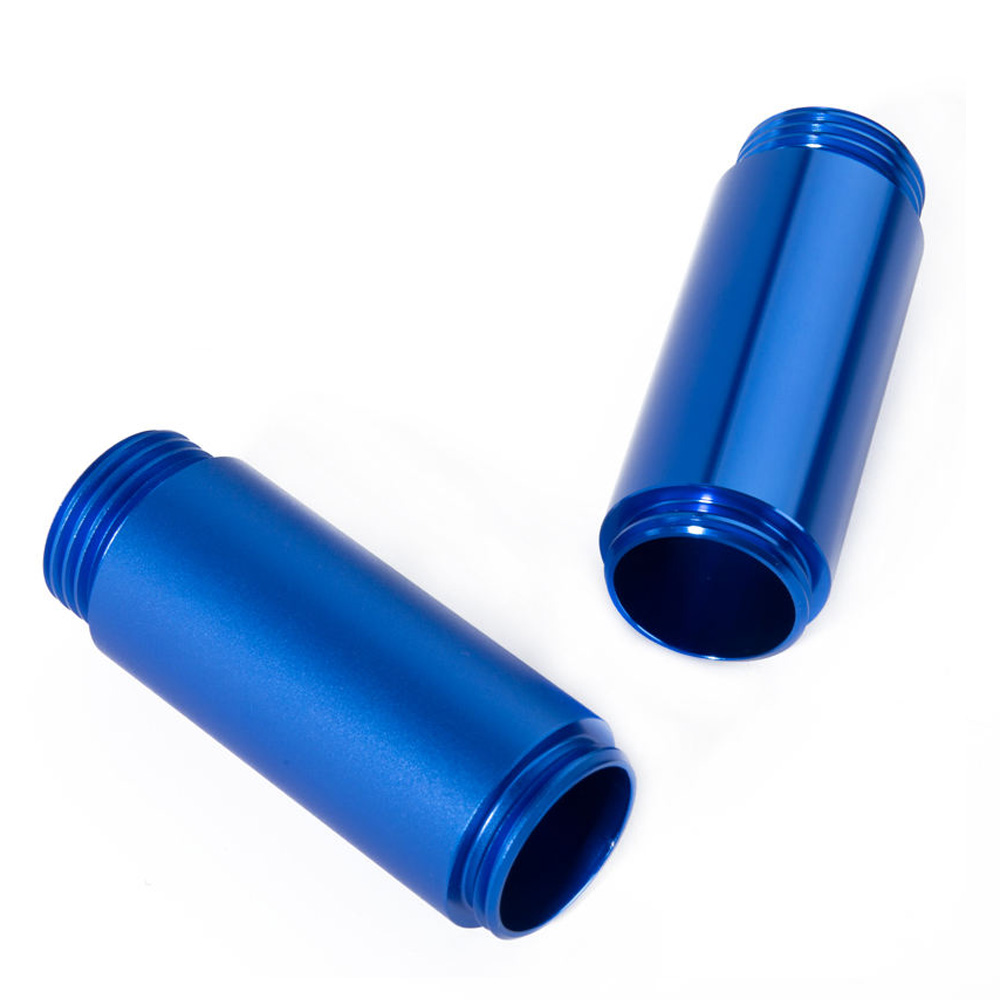
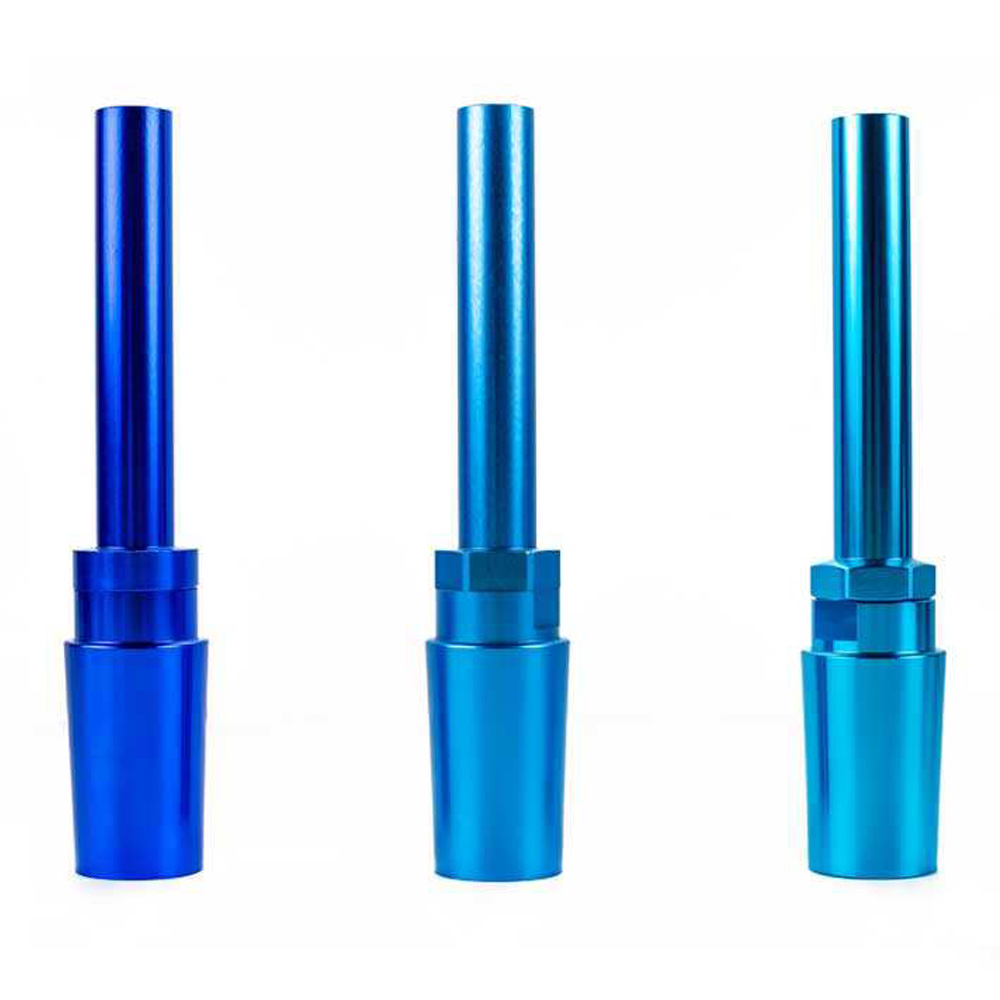
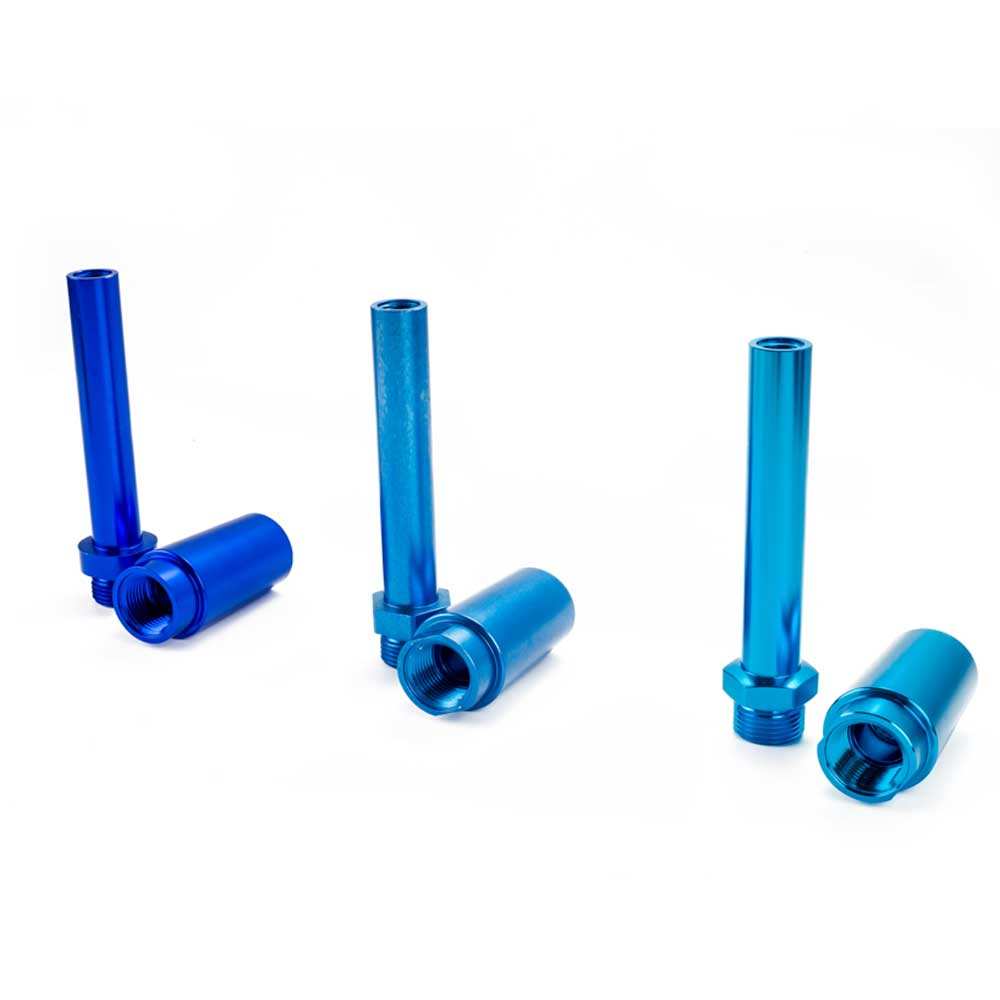
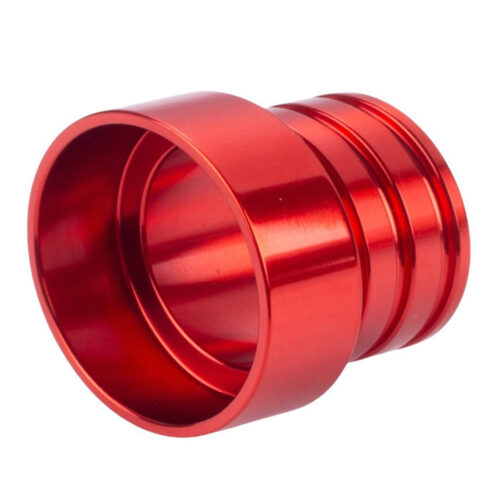
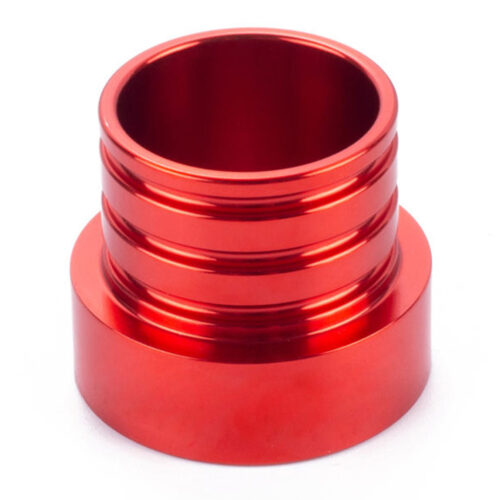
OEM High Precision Turning CNC Machining Aluminum Brass Stainless Steel Parts M80003

$0.09-0.94

Manufacturing process: CNC turning
Parts material: Hardened Metals, Aluminum, Copper, Brass, Bronze, etc.
Application Industry: home appliance, furniture
Tolerance(Accuracy): ±0.01mm(±0.004″)


Click and read more: 

Note: Due to the confidentiality agreement we have with the client, we only release the content that the client has permitted to be disclosed. All the cases that you can see on our website have been approved by the corresponding customers with sensitive information blurred.

Specification

Product Name OEM High Precision Turning CNC Machining Aluminum Brass Stainless Steel Parts
Model Number / SKU M80003
MOQ 1 pcs
Material Brass, Aluminum, Stainless Steel, Metal, etc.
CNC Machining or Not Yes, CNC Machining
Micro Machining or Not No, Not Micro Machining
Type DRILLING, Etching / Chemical Machining, Broaching…
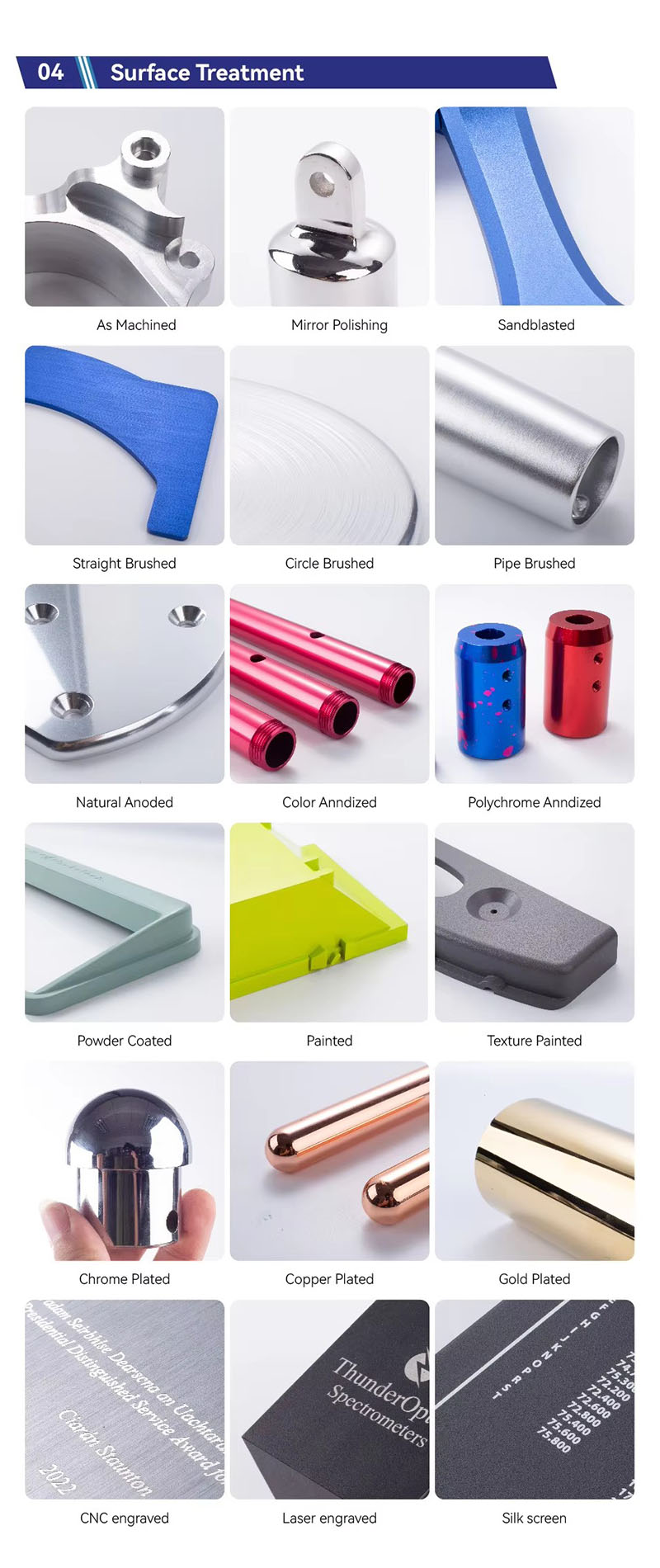
Finish Polishing/Anodized/Powder Coating/Sandblasting/Electroplating
Drawing Format .pdf / .dwg / .igs / .stp / x_t.
Tolerance ±0.01mm
QC Control 100% inspection before shipping
ECO-Friendly Yes
Lead Free Yes
ODM / OEM Acceptable
Delivery Time Sample: 3-5 day; Production: 10-20 days.

Why Choose KingStar’s CNC Turning Service?

1) One-stop multi-process manufacturing solution – We are proficient in various processing technologies, covering the entire lifecycle of custom parts, from prototype design to large-scale production. We provide comprehensive services including CNC machining (metal/plastic), 3D printing, injection molding (plastic/rubber), sheet metal processing, die casting and more. Whether you need a single prototype for design verification or a large-scale production part of over 100,000 pieces, we can eliminate the hassle of coordinating with multiple suppliers.

2) Professional engineering and design support – We know that prototype design is crucial for early detection of design flaws. We have a team of engineers with over 10 years of experience or more to provide end-to-end technical support: optimizing part design to improve manufacturability (i.e., DFM, such as reducing CNC machining time, improving injection mold flowability, etc.), adjusting processes to meet material performance requirements (such as hardening metal components, enhancing rubber flexibility, or applying protective coatings to components, etc.), and continuously improving samples until they meet your exact specification requirements.

3) All materials strictly follow quality standards and compliance requirements – each component (metal, plastic, rubber) undergoes strict testing to meet global standards: RoHS standards for harmful substances, ISO 9001 standards for manufacturing quality, food-grade certification for plastic/rubber components (FDA/CE), and aerospace-grade accuracy checks for precision CNC components (±0.005 mm). We ensure the safety, durability, and consistency of each batch of products.

4) Flexible OEM/ODM services with protection of your intellectual property – We support comprehensive customization services: selecting materials (metal, plastic, rubber), custom structures (CNC milling slots, 3D printing hollow cavities, injection molded snap-fit connections…), and choosing surface treatment methods (anodizing, electroplating, screen printing…).  To protect your unique design, we will always sign NNN/NDA agreements to ensure that the custom components exclusive to your brand are only used by your brand.

5) Economical mass production – For large-scale orders, we use precision molds (mold manufacturing) to enhance production capacity, and compared with small-batch CNC machining, the unit cost can be reduced by 30%-50%. Our automated production lines (injection molding, CNC turning centers) ensure stable quality and rapid delivery, even for the production of over 100,000 parts.

6) E-commerce and supply chain optimization – No matter where you sell your product, whether through Amazon FBA, TikTok stores or B2B wholesale channels, we will support your sales channels. Our services include custom packaging (providing anti-static packaging for precision parts and sterile packaging for medical components), direct delivery to your distribution center, and batch label printing for inventory tracking – thus saving you the effort in logistics management. Read more: Hardware Integration into Sheet Metal: Design Tips and Operation

Looking For A Reliable CNC Machining Manufacturer For Your Custom Parts?

KingStar is a reliable partner with over 20 years of experience in manufacturing high-quality custom metal CNC turning components for global customers. We have more than one modern manufacturing plant, located in China (mainly) and Mexico (all equipped with CNC workshops, 3D printing laboratories, injection molding lines and mold workshops), which ensures timely delivery, strict quality control and seamless scalability – serving customers all around the world.

Not only do we comply with industry standards – we also optimize according to your needs: whether you’re a startup looking to test prototypes, an e-commerce brand expanding production scale, or an enterprise improving core products, we will adjust our processes based on the balance of cost, speed and performance. Are you ready to turn your design into actual components? Partner with us to create custom components that can drive the success of your products.

Frequently Asked Questions

What is your payment term?2025-06-30T03:26:23+00:00

We offer flexible payment terms and several secure methods for your convenience.

Payment Methods:

  • Wire Transfer (T/T)

  • PayPal

  • Western Union

Payment Terms:

  • Mold payment: 50% deposit upfront, 40% upon T1 sample approval, and the remaining 10% after final approval.

  • Product payment: 30% deposit upfront, with the remaining 70% due before product shipment.

If you have specific payment requirements other than those mentioned above, feel free to contact and discuss them with us (via our email: sales@kingstarmold.com, or sending a quote by filling out the table on this contact page). We’re always open to finding a solution that works for both sides.

How long is the sample lead time?2025-06-30T04:34:30+00:00

The lead time for samples can vary depending on your specific project. Here’s a general idea:

  • Standard parts or existing molds:
    If your part matches something we already produce, samples usually take about 3 to 7 days, depending on stock and shipping times.

  • Custom molded or machined parts:
    For new designs that require custom molds or mechanical processing, it usually takes 2 to 5 weeks to produce samples. This period includes the time for mold fabrication, preparatory work, and making minor adjustments according to your requirements.

  • 3D-printed prototypes:
    If you need to obtain the prototype product quickly, we also offer 3D printing services in metal or plastic materials. These samples can usually be completed within 3 to 5 days, depending on factors such as size, material, and surface treatment requirements.

  • Special finishes or testing:
    Surface treatments like anodizing, black oxidize, painting, etc.(click here to see our options), or specific functional tests might add a bit more time.

Once we know your part details, we’ll confirm the timeline and keep you posted throughout the process. Feel free to share your drawings or ideas so we can give you a more precise estimate!

Can I get samples for testing?2025-06-30T04:35:35+00:00

Yes, absolutely. At KingStar, we understand how important it is to check the quality and fit of your parts before moving into mass production.

In most cases, we can provide samples in small quantities — usually between 1 and 10 pieces (for 3D printing, CNC machining), or 10 to 100 pieces (for injection molding) depending on your part’s size, complexity, and production method.

We offer several options for making samples:

  • 3D Printing (Metal or Plastic): Great for fast prototypes or design validation, usually ready in just a few days. We usually provide 1-3 pcs as samples.

  • Trial Runs from Injection Molding: For plastic parts requiring high accuracy or specific materials, we can run small batches (usually 10-100 pcs) using soft or production tooling.

  • CNC Machining: Ideal for metal or plastic parts needing precise tolerances or certain material properties before committing to tooling. For machining, we usually provide 1-5 pcs as samples.

However, this is not fixed. If you need more samples than we usually provide, we are open to negotiate, and if your project requires special finishes, surface treatments, or functional testing, we’re happy to include those in the sampling process as well.

Let us know your part details, and we’ll advise the best way to produce your samples quickly and cost-effectively.

Can KingStar help me turn an idea into a product?2025-07-08T07:21:54+00:00

Yes! At KingStar, we specialize in helping customers transform concepts into real, manufacturable products. Our one-stop manufacturing service: help you turn an idea into a product covers every step from design assistance and prototyping to tooling, mass production, and post-processing. Whether you have a sketch, CAD file, or just an idea, our team is ready to guide you through every step of the process efficiently and cost-effectively.

Before I provide my design/drawing/sketch, are you willing to sign a NNN or NDA to protect my intellectual property?2025-06-30T02:29:16+00:00

Absolutely — protecting our customers’ intellectual property is one of our highest priorities. We fully understand the sensitivity and value of proprietary designs, drawings, or any confidential information you share with us.

We are willing and ready to sign either a standard NDA (Non-Disclosure Agreement) or a more comprehensive NNN Agreement (Non-Disclosure, Non-Use, Non-Circumvention) upon request. If you have your own legal template, you can send it over for our review and signature. Alternatively, we can provide our standard NDA template for your consideration.

Once an NDA or NNN agreement is in place, we guarantee:

  • Strict confidentiality: All technical data, drawings, specifications, and communications remain strictly confidential and are used only for your project.

  • Non-use commitment: We will not use your designs or proprietary information for any purpose other than producing your parts or providing requested services.

  • Non-circumvention: We will not share your contacts, suppliers, or project details with third parties or attempt to bypass you in any commercial dealings.

  • Secure data handling: We maintain secure systems and protocols to store and manage confidential documents safely.

Our team works with clients from industries like automotive, aerospace, medical devices, consumer products, and many others — all of which require the highest levels of confidentiality and trust.

Please feel free to discuss any specific confidentiality needs with us, and we’ll make sure proper agreements are in place before reviewing your designs.

How do I choose the right CNC machining service for my project?2025-07-15T03:13:08+00:00
Choosing the right CNC machining partner isn’t just about checking boxes—it’s about finding a team that understands your project’s unique kinks and can navigate them. Here’s how to sift through the options:
Start with their shop floor: Do they have the right tools for your part’s geometry? A part with tight internal angles might need 5-axis machines to reach those spots, while a simple flat component could work with 3-axis milling. Ask to see examples of similar parts they’ve made—if they’ve tackled something with your design’s quirks, that’s a good sign.
Next, drill into material know-how. Aluminum’s tricky for thin walls—does their team know how to adjust feed rates to prevent warping? For plastics like PEEK, have they dealt with its high melting point and how it clings to tools? Experience with your material means fewer surprises, like unexpected cracks or surface blemishes.
Precision matters, but not all tolerances are equal. If your part needs to slot into a precision assembly with ±0.001mm tolerance, ask how often they calibrate their CMMs. A shop that checks tools daily is less likely to miss the mark than one that does it monthly. For looser tolerances (say, ±0.05mm), focus on consistency across batches—no one wants half a run that fits and half that doesn’t.
Timelines are another puzzle. Rapid prototypes might need to ship in 3 days, but production runs with custom tooling could take 4 weeks. The best partners will be upfront about bottlenecks—like material lead times for rare alloys—and adjust timelines accordingly. Beware of promises that sound too fast; rushing often means cutting corners.
Costs add up in hidden ways. A prototype might cost more per unit, but as volumes hit 10,000, ask if they can optimize toolpaths to cut material waste—saving you 10-15% on bulk runs. Watch for hidden fees, too: some shops charge extra for post-machining deburring, others include it. Transparency here builds trust.
Lastly, test their responsiveness. If you tweak a design mid-project, do they get back with revised timelines in a day, or leave you waiting? A partner that walks through DFM tweaks—like suggesting a rounded corner to avoid tool breakage—shows they’re invested in your part’s success, not just their bottom line.
At KingStar Mold, we start by understanding your project’s pain points—whether it’s that tight tolerance or a finicky material—and build a process around solving them. No two parts are the same, and neither should be the approach.
What is the difference between CNC milling and CNC turning?2025-07-15T03:20:48+00:00
At their core, CNC milling and CNC turning part ways in how they interact with material—starting with the very movement that shapes the part.
CNC milling relies on a spinning tool: imagine a multi-fluted end mill or drill bit whirring at high speed. It’s the tool that does the “moving” here, shifting along X, Y, and Z axes (or more, for complex setups) while the workpiece stays steady. This flexibility lets it carve out parts with irregular shapes—think a bracket with angled edges, a panel with off-center holes, or a component with grooves that twist. The tool dives, shifts, and rotates to match the part’s unique contours, making it the pick for pieces where symmetry takes a backseat to detail.
CNC turning, by contrast, puts the workpiece in motion. Clamped in a rotating chuck, the part spins rapidly while a stationary (or slowly moving) single-point tool meets it. This rotation centers the cutting action, so it excels at rounded, symmetrical parts: a shaft that needs consistent diameter from end to end, a bolt with evenly spaced threads, or a cylindrical sleeve that must fit snuggly into a circular housing. The tool skims across the spinning surface, shaving away material to create smooth, uniform curves—no jagged edges, just precision in every rotation.
The split grows clearer in practice. Milling handles the “oddballs”: parts with non-circular profiles or features that jut out at angles. Turning masters the “regulars”: pieces where every point on the edge needs to line up perfectly around a central axis. And often, they team up—say, a turned rod that later gets a flat, milled slot to lock into another component. Each plays to its motion, turning raw material into something tailored to its purpose.
How do I get a quote from KingStar Mold for CNC machining?2025-07-15T03:30:23+00:00

Simply upload your CAD files and project details through our website (click here to go to contact page or click the “request a quote” button at the top right corner of the page, and fill in the form that appears) or contact our team(sales@kingstarmold.com) directly. We’ll respond quickly with a detailed quote, lead time, and suggestions to optimize your design for cost and manufacturability.

Is CNC machining suitable for complex geometries?2025-07-15T04:37:10+00:00
CNC machining isn’t just up to handling complex geometries—it’s often the best way to make them. The trick lies in how modern setups adapt to tricky shapes, whether it’s a part with curves, angles, or nested features that would baffle simpler tools.
Take multi-axis machines, for example. A 5-axis CNC mill doesn’t just move up, down, left, right, and forward—its spindle can swivel and rotate, letting the cutting tool reach around the workpiece like a sculptor’s hand. Need a turbine blade with a twisted, curved surface that tapers at both ends? The machine tilts and turns, keeping the tool aligned with every contour so cuts stay precise, no matter how the shape bends.
Then there’s the software that drives it. CAD/CAM programs take a 3D model—say, a medical instrument with tiny, off-center holes and a grooved channel winding through it—and break it down into step-by-step toolpaths. The machine follows these paths exactly, even for parts with “hidden” features, like an undercut inside a cavity that a regular 3-axis mill couldn’t reach without crashing the tool.
Tooling helps too. Small, rigid end mills with sharp, multi-fluted tips can carve fine details: think of a robotics part with thin walls (only a millimeter thick) that curve gently, or a sensor housing with a maze of tiny slots. These tools cut smoothly, avoiding the jagged edges that would come from trying to shape such parts by hand.
Of course, there are limits. A part with a slot narrower than a hair, or a curve that bends back on itself in a way no tool can reach, might need extra steps—like electrical discharge machining (EDM) for the tiniest features. But for most complex shapes—from aerospace brackets with compound angles to custom enclosures with asymmetric cutouts—CNC machining handles them reliably, batch after batch.
It’s not just about making the shape—it’s about making it consistently. Even the most intricate design comes out the same every time, which is why industries like automotive and aerospace rely on CNC for their trickiest parts. When geometry gets complicated, CNC machines don’t just keep up—they excel.
Can KingStar Mold handle low-volume and prototype CNC production?2025-07-15T04:42:26+00:00
Yes, KingStar Mold specializes in low-volume and prototype CNC production, with capabilities ranging from 1-500 units. Our flexible setup supports rapid iteration for prototypes and small-batch manufacturing without compromising precision. For real-world examples, explore our case studies to see how we’ve delivered both simple and complex components across industries.
What file formats do you accept for CNC machining?2025-07-15T04:45:12+00:00

We accept common 3D and 2D file formats including STEP, IGES, STL, and DWG. To ensure the best results, it’s helpful to include both 3D models and detailed 2D drawings with tolerances and surface finish requirements. There are 2 ways to send them to us: click here to the contact page to directly upload the files or send them via email: sales@kingstarmold.com
How fast can I get CNC machined parts?2025-07-15T04:48:59+00:00
For CNC machined parts, timelines vary by complexity and type:
  • Simple prototypes/samples: 1–3 business days.
  • Complex prototypes/samples: 3–7 business days.
  • Simple finished parts (small batches): 5–10 business days.
  • Complex finished parts: 10–15 business days.
Rush options are available for urgent needs—just let us know your deadline.
What materials can be CNC machined?2025-07-15T05:31:29+00:00

CNC machining can handle various materials, but its effectiveness depends on the material’s ability to maintain its shape under the action of cutting force.

Metals such as aluminum 6061 and 316 stainless steel are commonly used materials – the balance of aluminum’s strength and machinability makes it suitable for a wide range of products from brackets to housings, while the corrosion resistance of stainless steel is suitable for components in harsh environments. We have found that brass with good cutting performance performs exceptionally well in electrical components, but we always prepare new tools to avoid damaging its soft surface.

Plastics have their place too. ABS is reliable for prototypes, nylon works for low-friction parts like gears, and PEEK stands up to high heat—we once machined PEEK valve components for industrial ovens, using slow feeds to prevent melting. Composites like carbon fiber-reinforced plastics need diamond tools to handle their abrasive fibers, a trick we picked up from making drone frames that demand both lightness and strength.

Not every material fits, though. Super-soft materials like lead or indium tend to gum up tools and deform under cutting, making precision impossible. Extremely brittle materials—some ceramics, for example—shatter easily under the tool’s pressure. And highly elastic materials like unmodified rubber? They stretch instead of cutting cleanly, leaving ragged edges that won’t hold tolerances. For these, other methods like casting or molding usually work better.

In the end, CNC thrives where materials hold their form under controlled cutting. With the right approach, it turns most metals, plastics, and composites into precise parts.

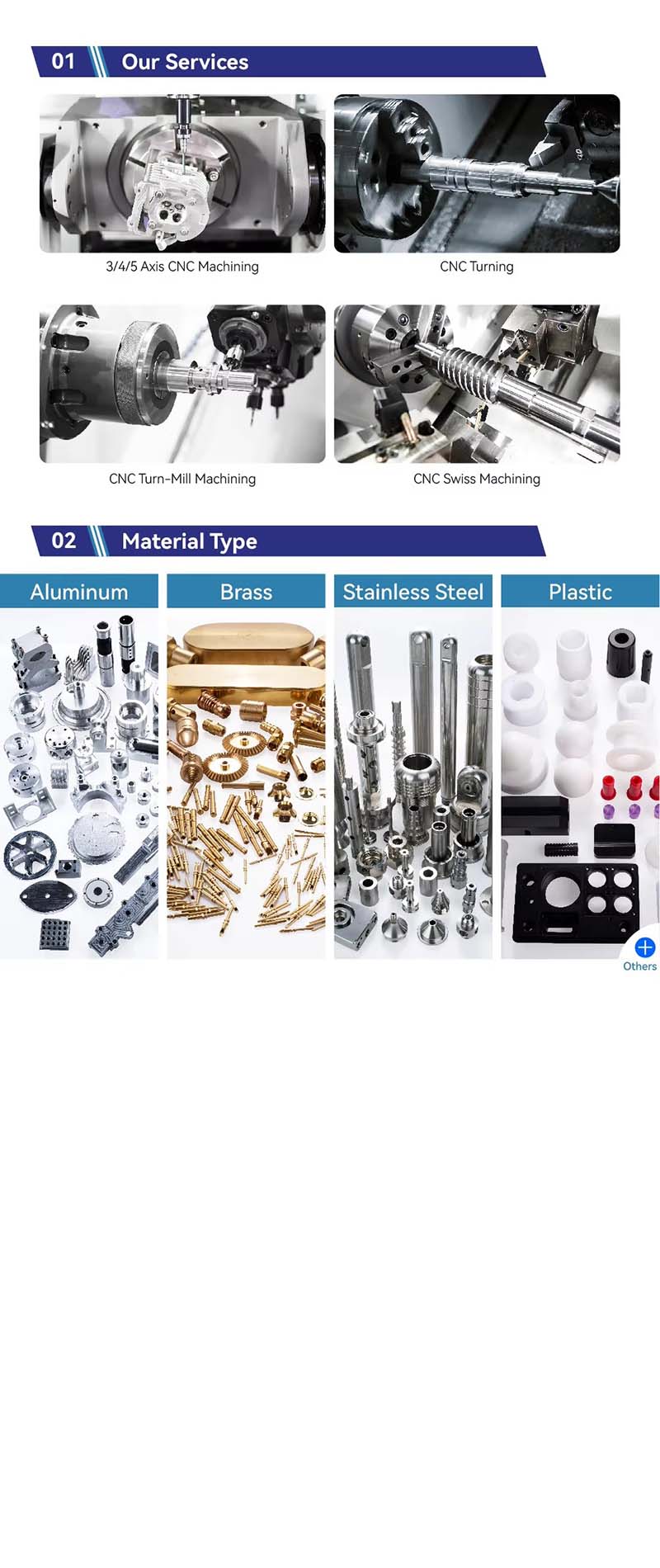
cnc services and materials
cnc product display
cnc surface treatment
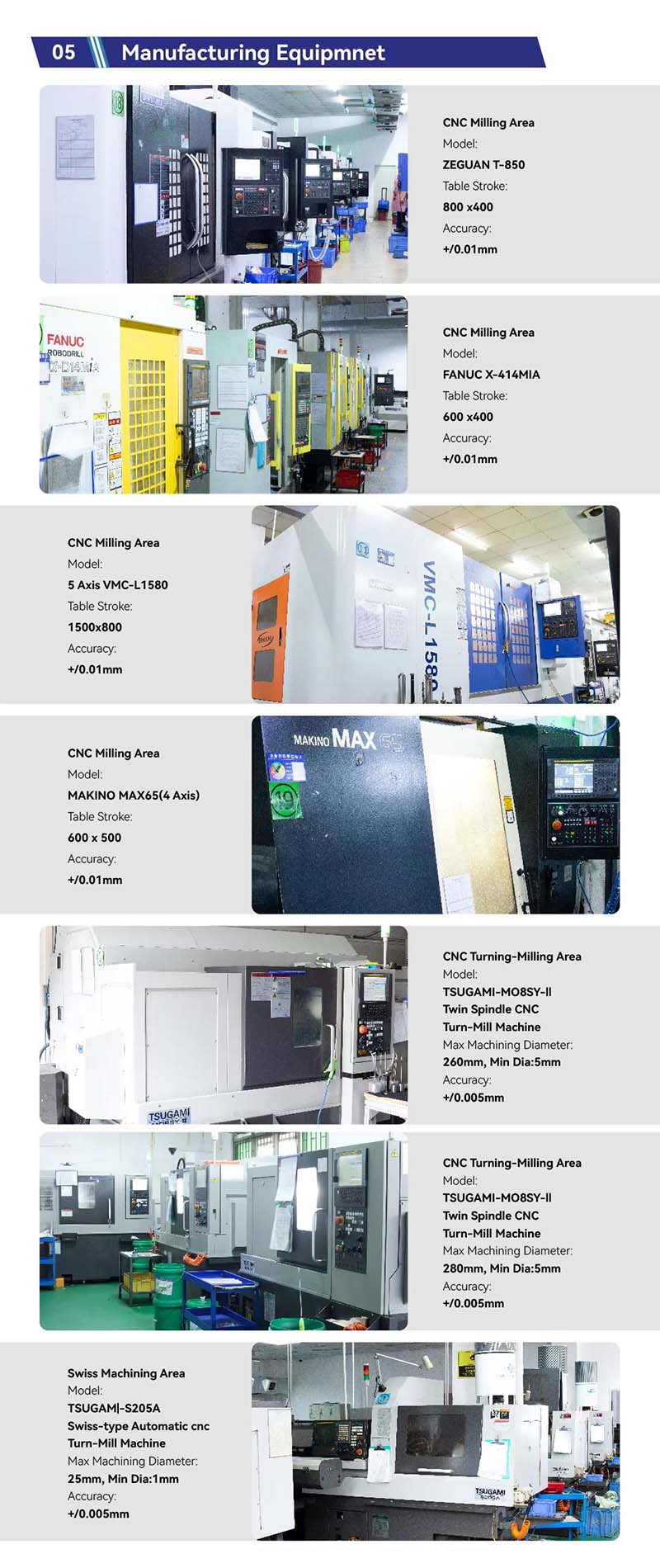
cnc machine equipments
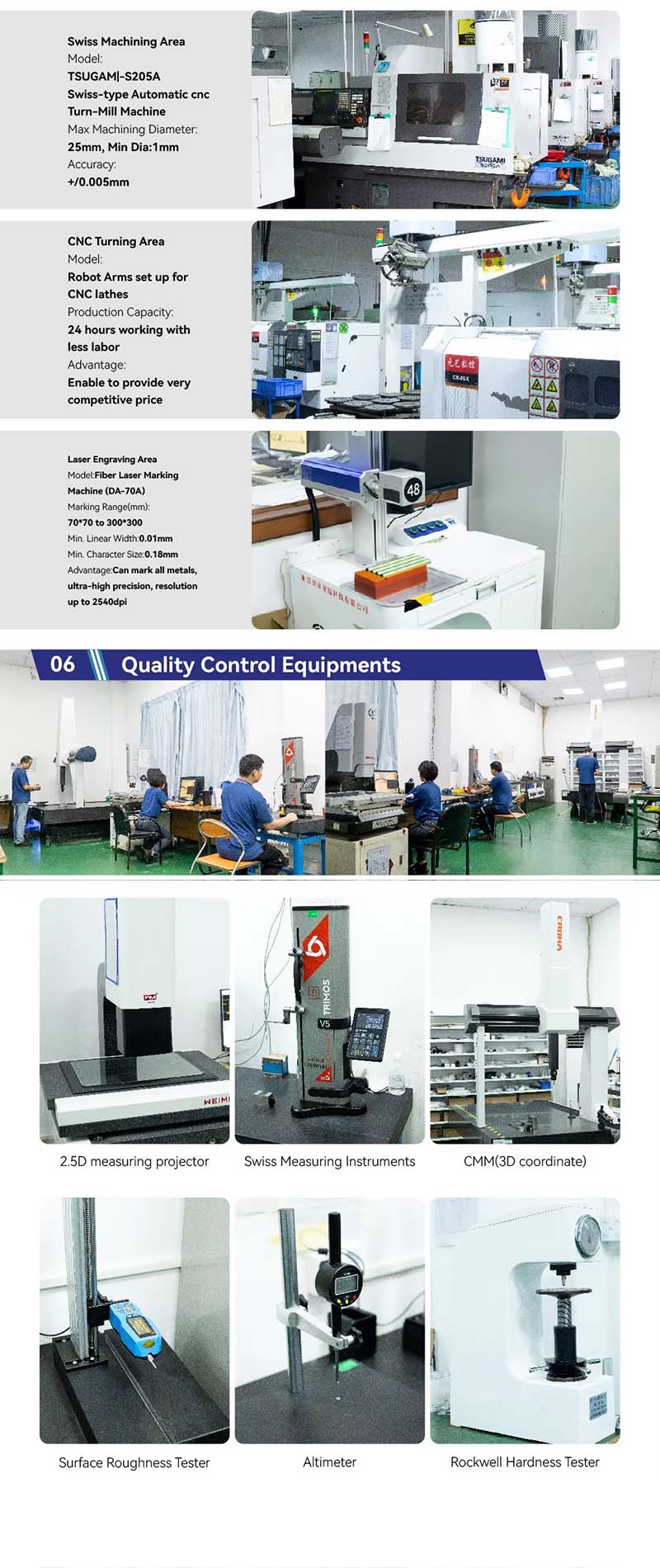
cnc quality control machines
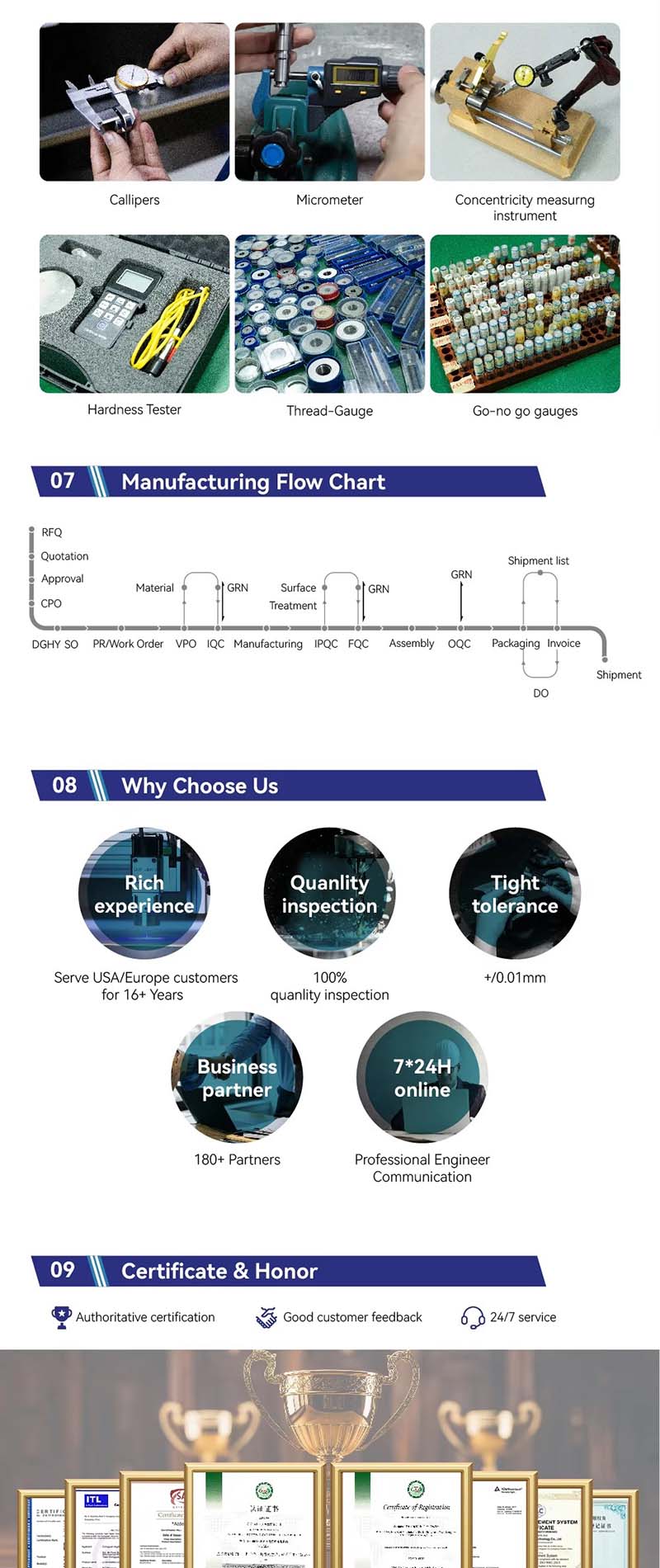
cnc manufacturing chart and why choose us

Inquiry Now

Please submit your inquiry via the form below or email sales@kingstarmold.com; Our team guarantees a response within 24 hours.
One-Stop Manufacturing Service that Fits Your Product Life Cycle

1. Ideation & Concepting

Design Decisions

Design For X (DfX)

  • Manufacturability
  • Cost
  • Quality & Compliance
  • Life Cycle

Material Selection

  • Plastic
  • Metal
  • Elastomer

Process

  • Molding
  • Machining
  • 3D Printing
  • Sheet Metal Fabrication

2. Product Development

Rapid Prototyping

Early Stage

Form, Fit and Function Testing for Iterative Part Design

Late Stage

Pilot Runs and Market Testing to Validate Product Design

3. Introduction & Growth

On-demand Production

In-house Manufacturing

  • No Minimum Order Quantity
  • Virtual Inventory with No Fees
  • Reduce Financial Risk with Aluminum Bridge Tooling
  • Reduce Supply Chain Risks with On-shore Manufacturing
  • Ideal for Volatile Demand

4. Maturity

On-demand Production

Manufacturing Network

  • Lower Piece-part Price at Higher Quantities
  • Steel Tooling Options for High-volume Production
  • Advanced Manufacturing Capabilities for Larger, More Complex Parts
  • Ideal for Steady Demand

5a. End of Product Life

On-demand Production

Avoid Unneeded Parts and Products

Reduce Cost with Parts On-demand

5b. End of Product Life

Rapid Prototyping

Continuous Improvement

Product Extension

Go to Top