Custom Manufacturing & Precision Machining Company
PLA Injection Molding2025-12-22T08:35:17+00:00

PLA Injection Molding

We offer sustainable and efficient PLA injection molding services for eco-friendly product development.
  • Eco-Friendly: PLA is biodegradable and perfect for green product solutions.
  • Precision: Achieve consistent, high-quality parts.
  • Versatile: Ideal for a wide range of industries.
  • Compliance-Ready: Supports compostability standards such as EN 13432, ASTM D6400, and ISO 17088.

KingStar Mold’s Advice on Choosing Your PLA Product Supplier
When selecting a PLA product supplier, KingStar Mold recommends prioritizing suppliers with a proven track record in quality and sustainability. Look for a partner that uses advanced injection molding technologies to ensure precision and consistency in every product. Additionally, choose a supplier who offers a range of PLA grades and customization options to meet your specific needs, whether for consumer goods, packaging, or medical applications.
At KingStar Mold, we provide tailored PLA solutions that balance environmental responsibility with high performance, ensuring your products meet both ecological and functional standards.
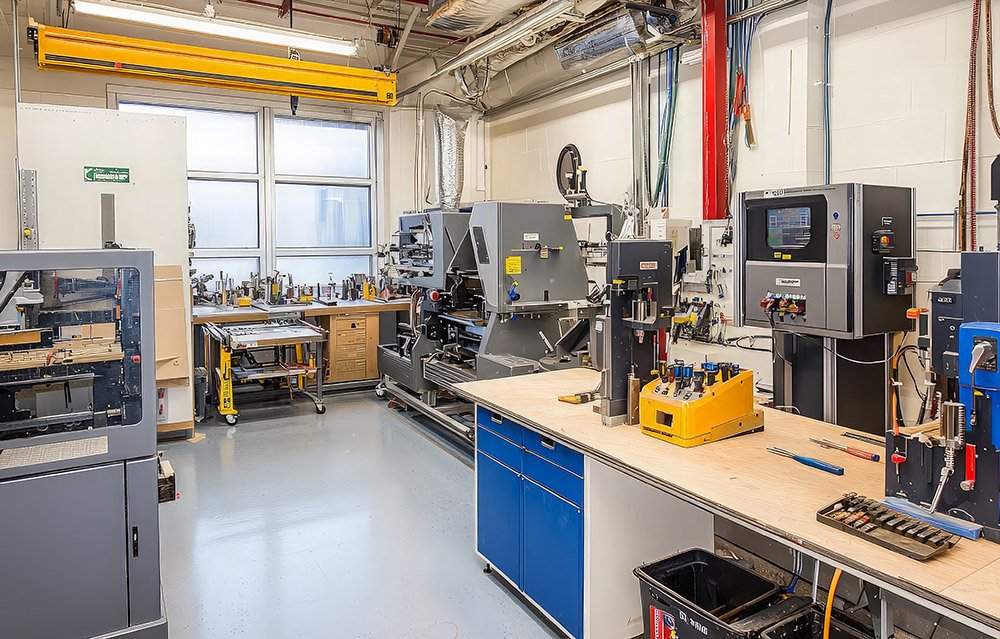
quality check room

Applications of PLA Injection Molding

PLA injection molding is used in a wide range of industries to create eco-friendly, high-performance products with biodegradable properties.

PLA CategoryDescriptionApplications
Standard PLACommonly used, biodegradable, made from renewable resources like cornstarch.Packaging, disposable items, consumer goods such as custom coolers, wholesale pill organizers etc.
High-Heat PLA (HTPLA)Modified for improved heat resistance, maintaining shape and strength at higher temperatures.Automotive parts, electronics enclosures, kitchenware
PLA BlendsPLA mixed with other materials for enhanced properties like flexibility or heat tolerance.Food packaging, medical devices, specialized parts
Toughened PLA (PLA-T)Modified for enhanced toughness and impact resistance.Household products, industrial parts, consumer electronics
PLA CompositesPLA combined with materials like bamboo, wood fibers, or carbon fiber for strength and aesthetic qualities.Eco-friendly furniture, construction materials, decorative items
PLA for 3D PrintingFormulated for 3D printing, offering low warping and easy adhesion.Prototypes, custom parts, models

Medical Industry

medical devices
  • Medical device housings
  • Surgical trays and tools
  • Implantable medical devices (e.g., sutures)
  • Packaging for medical supplies
  • Laboratory equipment and accessories
plastic injection mold part

Consumer Goods

consumer goods
  • Disposable cutlery (forks, spoons, knives)
  • Food containers and packaging
  • Drink cups and lids
  • Home décor items (e.g., planters, decorative pieces)
  • Toothbrushes and other personal care items
plastic injection mold part
mass production of plastic components by injection molding
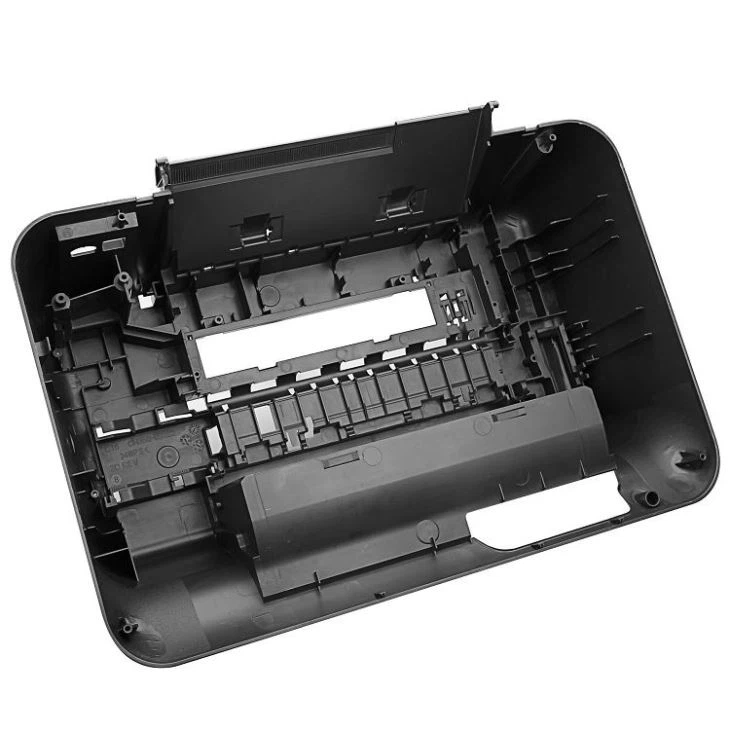
plastic-printer-housing-mould

Expanding the Horizons of PLA Injection Molding

At KingStar Mold, we are committed to driving innovation in PLA injection molding by developing sustainable, high-performance solutions that meet the evolving needs of industries like packaging, medical, and consumer goods.

Sustainable Packaging Solutions

KingStar Mold is exploring eco-friendly packaging using PLA injection molding, offering biodegradable alternatives for food, cosmetics, and other products. We help clients reduce plastic waste with innovative, sustainable packaging designs.

Medical Applications

We apply PLA injection molding in the medical sector, producing biocompatible, biodegradable products like medical device housings and surgical tools. Our focus on precision ensures safe, sustainable solutions for the healthcare industry.

Far More Materials Available

Benefits of PLA Injection Molding

injection molding machine

Environmental Sustainability

PLA injection molding offers a biodegradable alternative to traditional plastics, reducing environmental impact. As PLA is derived from renewable resources like cornstarch, it helps minimize plastic waste and supports eco-friendly production.

Cost-Effective Manufacturing

PLA injection molding is an affordable solution for both small and large production runs. Its ease of processing and quick turnaround times help lower production costs, making it an attractive option for sustainable product development.

Versatile Applications

PLA is highly versatile and can be molded into a wide range of shapes and sizes for various industries. From packaging to medical devices, PLA’s flexibility makes it suitable for numerous applications, meeting both functional and aesthetic needs.

Which to Choose

Various Solutions: PLA or PLA Compounds

When to Choose PLA for Your Project

  • Eco-friendly: Made from renewable resources and biodegradable.

  • Low-Temperature Applications: Ideal for items that don’t require high heat resistance.

  • Lightweight and Non-Durable Parts: Perfect for packaging, disposable items, and décor.

  • Cost-Effective for Small Runs: Affordable for low-volume production.

  • Compostable: Breaks down in commercial composting facilities.

When to Choose PLA Compounds for Your Project

  • Enhanced Strength: Blended with fibers or additives for better impact resistance and strength.

  • High-Temperature Resistance: Formulated to withstand higher temperatures for demanding applications.

  • Flexibility & Durability: More flexible and durable than pure PLA, ideal for wear-resistant products.

  • Complex Applications: Ideal for intricate designs that require enhanced material properties for durability and performance.

  • Large-Scale Production: More cost-effective for larger production runs with improved performance.

Our Processing Methods for PLA Compounds

PLA Base Resign
Amorphous Non-nucleated
PLA with Glass/Mineral
Crystalline Nucleated*
PLA with Glass/Mineral
Amorphous Non-nucleated
PC-PLA Hybrid
Amorphous
Injection Pressure8000-15000 psi
55-100 MPa
8000-15000 psi
55-100 MPa
8000-15000 psi
55-100 MPa
8000-15000 psi
55-100 MPa
Melt Temperature340-370˚F
170-190˚C
340-370˚F
170-190˚C
340-370˚F
170-190˚C
430-460˚F
220-240˚C
Drying 2-6 hrs @
120˚F/50˚C
2-6 hrs @
130˚F/55˚C
2-6 hrs @
130˚F/55˚C
4 hrs @
175˚F/80˚C
Moisture Content0.02%0.02%0.02%0.02%
Mold Temperature50-75˚F
10-25˚C
180-220˚F
80-105˚C
50-75˚F
10-25˚C
75-160˚F
25-70˚C
Dew Point-40˚F/-40˚C-40˚F/-40˚C-40˚F/-40˚C-40˚F/-40˚C

Frequently Asked Questions

FAQs question mark
Is PLA injection molding suitable for large-scale production?2025-12-25T07:47:15+00:00

PLA (polylactic acid) injection molding is highly suitable for large-scale production. As a mature biobased thermoplastic, PLA has not only been widely proven as an efficient mass production material in the industrial sector, but is also the only transparent biobased material that has achieved large-scale commercial production. It supports continuous production and has extremely high economic efficiency and automation potential, making it particularly suitable for projects with an annual output of several million pieces or more.

PLA has excellent thermal processing properties and can be processed at high speeds using standard injection molding machines. Although its processing window is narrow, once the process parameters (such as temperature and pressure) are determined, extremely high cycle stability and consistency can be achieved. Although the unit price of raw materials may be slightly higher than that of traditional petroleum-based plastics, since PLA can be processed using standard injection molding equipment and molds, without the need for expensive specialized tool modifications. As production scales expand, unit energy consumption and labor costs significantly decrease, resulting in excellent economies of scale. Plus, PLA injection molded parts exhibit excellent appearance quality and dimensional accuracy. Due to their outstanding rheological properties, they can produce thin-walled and complex-structured parts without easily causing defects. Combined with an automated production line, they can achieve “zero-defect” large-scale delivery.

However, it also has certain drawbacks. Firstly, its thermal deformation temperature is relatively low (about 50-60°C), making it unsuitable for use in high-temperature environments or scenarios that require high-temperature sterilization; Secondly, as a biobased material, its price is affected by the harvest of crops such as corn, and long-term large-scale procurement requires attention to the stability of the supply chain.

How does KingStar Mold handle PLA mold design and production?2025-12-22T09:11:22+00:00

Not only do we offer standard services, but we also focus on addressing the specific process challenges of biobased materials (PLA) in injection molding. Our team has over 10 years of experience in processing bioplastics and has successfully delivered thousands of molds, covering a wide range of fields from precision medicine to consumer electronics.

Firstly, in terms of defect prevention, we utilize advanced CAE software for flow channel analysis. Given the poor fluidity and high shrinkage rate of PLA material, we can predict and eliminate the risks of bubbles, shrinkage and warping during the design stage.

Secondly, in terms of complex structure processing, our production line is equipped with a five-axis CNC machining center, which is proficient in handling common thin-walled structures (Wall Thickness < 0.5mm) and high-precision inserts (Insert Molding) of PLA, ensuring the consistency of mass production.

Finally, in order to enhance production efficiency, taking into account the rapid cooling characteristic of PLA, we are proficient in various hot runner systems (such as DME, Hasco), which can significantly reduce the waste rate and improve the injection molding cycle efficiency.

To ensure the smooth progress of your project, we implement a strict quality control process:

  1. DFM Review (Design for Manufacturing)
    Engineers will review your 3D model and propose modifications based on the characteristics of PLA (such as reinforcing rib layout and wall thickness adjustment) to avoid production risks. 2
  2. Trial Run and Verification
    Before the official production, we will conduct at least 3 batches of trial runs, focusing on testing the demolding temperature and surface glossiness of PLA, to ensure it meets your appearance standards. 3
  3. Mass Production and Maintenance
    Start up the automated production line and provide a mold maintenance plan to ensure that the mold can last for more than 1 million cycles.
Can PLA be blended with other materials?2025-12-22T09:18:53+00:00

Yes, PLA can be blended with other biodegradable materials to enhance its properties, such as impact resistance and flexibility, making it more versatile for various applications:

Blending Material Typical Ratio Core Advantage Key Performance Changes Typical Applications
PBAT (Poly(butylene adipate-co-terephthalate)) 20%–40% Superior toughness Significant increase in elongation at break (up to 100%+); improved impact resistance Packaging films, agricultural mulch films, flexible injection-molded parts
PCL (Polycaprolactone) 20%–30% Biodegradation control Increased softness; slower degradation rate Medical scaffolds, controlled drug release carriers, high-strength fibers
Starch 20%–50% Cost reduction Lower material cost, but noticeable decrease in mechanical strength Disposable tableware, non-load-bearing packaging
PC (Polycarbonate) 20%–30% Heat resistance and rigidity Higher heat deflection temperature; increased stiffness Electronic housings, automotive interior components

But note that PLA is immiscible with most polymers (such as PBAT and PCL). Simple physical blending often results in weak interfacial adhesion. Compatibilizers (e.g., MAH-grafted PLA or EBA-GMA) are typically required to improve phase dispersion and overall mechanical performance.

What is the difference between PLA/PHA vs PBS/PBAT?2025-12-25T08:16:14+00:00

The main differences between PLA/PHA and PBS/PBAT lie in the sources of raw materials, degradation characteristics, performance priorities, and typical applications.

PLA and PHA are biodegradable plastics derived from renewable biomass. PLA has good transparency, mechanical strength, and cost-effectiveness, but it usually requires industrial composting conditions for degradation. PHA can degrade in soil, marine environments, and household compost, making it suitable for high-end biomedical and environmental applications, but it is much more costly.

In contrast, PBS and PBAT are biodegradable plastics based on petroleum chemical raw materials. They use fossil fuel-derived raw materials, but have better flexibility, heat resistance, and processing stability, and can be used in traditional plastic equipment. PBS is often used for injection molded parts that require heat resistance, while PBAT is widely used in flexible packaging and films due to its excellent ductility. However, PBS/PBAT usually has a higher carbon footprint than biobased alternatives.

In injection molding applications, for cost-sensitive and environmentally-conscious small plastic components that need to comply with compostable standards such as EN 13432 and ASTM D6400, polylactic acid (PLA) is the preferred material; while when higher heat resistance and long-term dimensional stability are required, polybutylene succinate adipate (PBS) is chosen. There is no so-called “best” material for all projects – the correct choice depends on sustainability goals, performance requirements, and final usage conditions tailored to each project’s need.

For a more detailed comparison and analysis, feel free to check out our earlier post: What is the Difference Between PLA/PHA VS PBS/PBAT?

How does PLA compare to other plastics for injection molding?2025-12-22T09:27:27+00:00

In a nutshell, the PLA material has moderate cost competitiveness. However, due to its heat sensitivity and brittleness issues, it cannot be used in some fields that require high-temperature resistance and high impact strength. But overall, it meets the current global mainstream expectations for material development trends (ESG), and has excellent visual effects (natural transparency or semi-transparency, achieving high-end texture without the need for secondary spraying), and has a moderate density, making it highly suitable for precision injection molding.

Here is a quick comparison table between PLA and 3 commonly used plastics:

Dimension PLA (Polylactic Acid) ABS (Acrylonitrile Butadiene Styrene) PC (Polycarbonate) PP (Polypropylene)
Core Advantages Bio-based and biodegradable; high transparency; excellent surface gloss and aesthetic appearance Excellent toughness and impact resistance; wide processing window; strong versatility High strength and rigidity; high heat deflection temperature; excellent dimensional stability Excellent chemical resistance; lowest density; good heat resistance; cost-effective
Key Limitations High brittleness; poor heat resistance (< 60 °C); high moisture sensitivity Poor weather resistance (prone to yellowing); limited flame resistance High material cost; prone to stress cracking; longer processing cycle Poor surface finish (waxy feel); difficult to color; low surface gloss
Typical Material Cost USD 1.5–3.0 / kg (subject to raw material fluctuations) USD 1.0–2.5 / kg USD 2.0–4.0 / kg USD 0.8–1.5 / kg
Typical Applications Disposable tableware, medical consumables, lifestyle products, electronic housings Automotive interior parts, home appliance housings, toys, general-purpose structural components Bullet-resistant glazing substitutes, safety helmets, automotive bumpers Packaging films, automotive components, medical tubing
What types of parts can be made using PLA injection molding?2025-12-25T07:56:53+00:00

PLA (Polylactic Acid) has a unique application positioning in the field of injection molding due to its excellent biodegradability, high transparency and good surface glossiness. Although it cannot withstand high temperatures like ABS or PC, it is an ideal material for producing environmentally friendly packaging, food-contact components and precision medical devices.

The most mainstream application areas are food and consumer goods. Because PLA products can pass the FDA tests, they are widely used in containers that come into direct contact with food, such as disposable tableware, beverage cups, blister packaging, etc.; secondly, due to its high transparency, it is also often used in display products, such as cosmetic containers, supermarket fresh produce display racks, etc.; in scenarios requiring biodegradation or high cleanliness, its application can also be seen, such as syringe pistons, absorbable bone nails, bone plates, 3D structures for cell culture, etc.

Does KingStar Mold offer PLA injection molding services?2024-12-12T06:56:08+00:00

Yes, KingStar Mold specializes in PLA injection molding for a variety of industries, including consumer goods, packaging, and medical applications.

Can PLA be used for high-heat applications?2024-12-12T06:55:23+00:00

No, PLA has a relatively low melting point and can deform or lose strength under high heat. It is better for low-heat applications like packaging and consumer goods.

When is PLA not a good choice for my project?2025-12-25T09:17:22+00:00

Although PLA (polylactic acid) is an environmentally friendly and easy-to-process material, its physical and chemical properties determine that it is not suitable for all application scenarios. Firstly, PLA has extremely limited heat resistance. Its glass transition temperature (Tg) is approximately 58°C – 60°C, which makes its products unsuitable for microwaving or steaming. Therefore, it cannot be used for products that require high-temperature sterilization or hot filling (such as coffee cups, hot soup bowls), and it is prone to cracking at low temperatures, that is, it tends to harden and become brittle in cold environments, and even crack. In addition, PLA is extremely sensitive to moisture. If the raw material is not fully dried, bubbles, silver threads or whitening on the surface will occur during injection molding. For the same reason, the finished product needs to be sealed to prevent moisture, otherwise, its strength will decrease after long-term storage.

If your product involves the following requirements, please directly consider alternative solutions:

  • High-temperature environment: such as engine components, hot water pipe fittings.
  • High-intensity impact: such as the shells of heavy machinery, safety helmets.
  • Long-term outdoor exposure: prone to yellowing and degradation under ultraviolet (UV) rays.

It is recommended to use other engineering plastics instead: ABS offers excellent toughness; PC provides high heat resistance; PP offers chemical corrosion resistance.

What are the advantages of using PLA for injection molding?2024-12-12T06:53:22+00:00

PLA is environmentally friendly, biodegradable, and cost-effective for small runs. It is also easy to process and produces less greenhouse gas during manufacturing.

What is PLA and why is it used in injection molding?2025-12-25T07:32:25+00:00

PLA (Poly Lactic Acid) is a biobased thermoplastic derived from renewable resources. It is typically produced by fermenting corn starch, cassava, or sugar cane to generate lactic acid, which is then polymerized to form the material. PLA is a fully biodegradable material. Under industrial composting conditions, it can decompose into carbon dioxide and water, unlike traditional petroleum-based plastics that cause long-lasting environmental pollution. It has the same high transparency and glossiness as polystyrene (PS), and possesses excellent solvent resistance and surface hardness, making it highly suitable for use in packaging and medical fields.

Although PLA is a type of bioplastic, it has very similar processing performance to traditional general-purpose plastics (such as PP and PE), which makes it an ideal choice for injection molding.

  • Low processing temperature: The melting point of PLA is relatively low (around 150-160°C), which means it can be processed at a lower temperature on standard injection molding machines, thereby saving energy and reducing equipment wear and tear.
  • Good fluidity: The viscosity in the molten state is moderate, and the fluidity is excellent, enabling easy filling of complex mold structures, making it suitable for the production of fine thin-walled parts.
  • Smooth surface: The products produced by injection molding usually have natural high glossiness and clarity, and do not require additional polishing treatment to meet packaging requirements.
  • Food safety certification: As the raw material comes from plants and does not contain bisphenol A (BPA), PLA complies with FDA and EU food contact regulations and is widely used in food packaging and medical devices.

Knowledge About PLA/PHA/PBS/PBAT Injection Molding

Go to Top