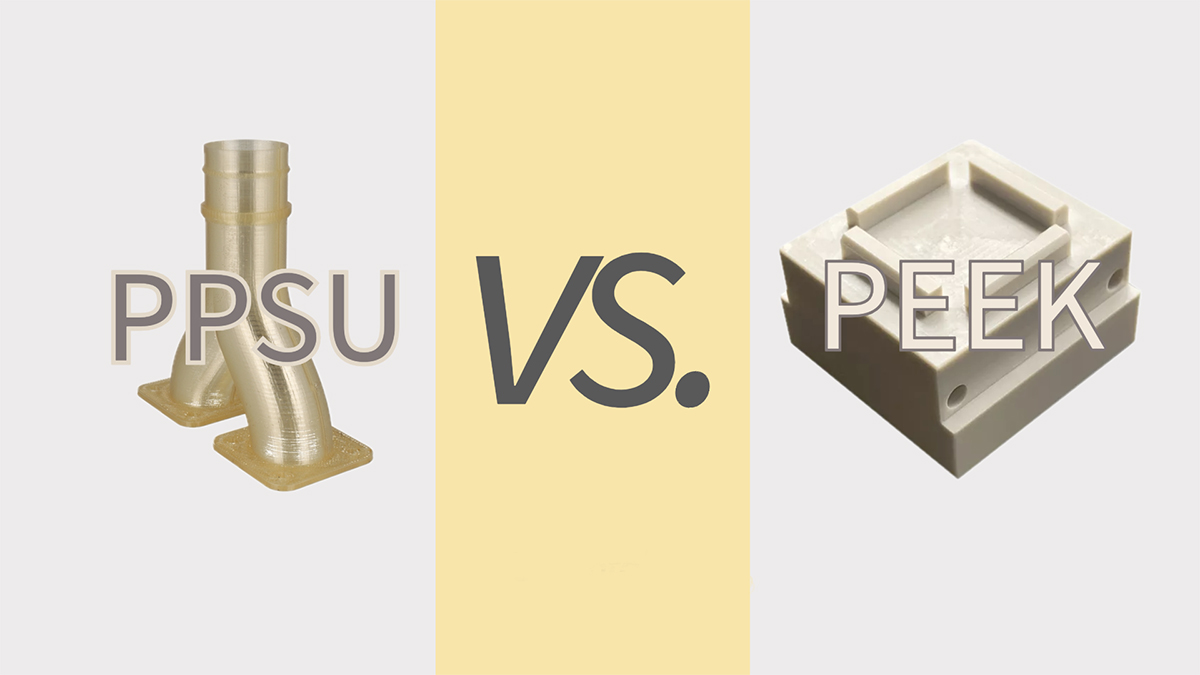
PEEK or PPSU: Which Material is Better for Medical Device? As a seasoned supplier in the medical device industry, we often encounter questions like this.
In fields such as healthcare and high-end manufacturing that require strict material performance, PEEK (polyetheretherketone) and PPSU (polyphenylsulfone), as high-performance engineering plastics, occupy an important position due to their excellent heat resistance, biocompatibility, and chemical stability.
1.1 Basic Performance Comparison Table (including relevant competitor references)
| - | Unist SI | PC | Hight Hate PC | PEI | Udel PSU | Radel*R PPSU |
|---|---|---|---|---|---|---|
| Color | - | Clear | Clear | Dark | Light | Medium |
| Tensile Strength | Mpa | 65 | 65 | 105 | 70 | 70 |
| Tensile Modulus | Gpa | 2.4 | 2.4 | 3.0 | 2.5 | 2.3 |
| Gap Impact Strength | J/m | 960 | 530 | 35 | 69 | 694 |
| Heat Deflection Temperature | ℃ | 137 | 155 | 200 | 174 | 207 |
| Hydrolytic Stability | Hot Water | P | P | G | E | E |
| Chemical Resistance | - | P/F | P/F | G/E | G | E |
| - | Acidsbases | P | P | P | E | E |
| - | Alcohols | E | E | E | E | E |
| Expected Lifespan of Steam Disinfection | cycles | 10 | 10 | 100 | 100 | 1000’S |
| - | Unist SI | Ketaspire PEEK | Avaspire moldfied PEEK | Radel*R PPSU |
|---|---|---|---|---|
| Glass Transition Temperature | ℃ | 147 | 158 | 220 |
| Heat Deflection Temperature | ℃ | 159 | 193 | 207 |
| Hydrolytic Stability | Hot water | E | E | E |
| Chemical Resistance | E=excellentG=good | E | E | E |
| - | Acidsbases | E | E | G/E |
| - | Alcohols | E | E | E |
| Gap Impact Strength | J/m | 43 | 90 | 694 |
| Biocompatibility | - | USP VI&ISO10993 | USP VI | USP VI&ISO10993 |
| Transparency | - | NO | NO | YES |
| Price | - | - | - | - |
| Expected Lifespan of Steam Disinfection | cycles | 1000 | 1000 | 1000 |
1.2 Why is PEI (Ultem) a Strong Competitor for High-Temperature Disinfection?
| Thermal property | - | |||||||
|---|---|---|---|---|---|---|---|---|
| Material | Suggested autoclaving temp. (C) | HDT (C) | Water absorption(%) | Autoclave | Radiation | Gas | Dry-heat | Disinfection |
| PEI | 134 | 210 | 0.70 | Yes | Yes | Yes | Yes | Yes |
Note: As a representative material of PEI, ULTRAM1000 can maintain excellent tensile strength after 300 cycles of high temperature and high pressure steam at 134 ℃. Its color remains almost unchanged after exposure to 10Mrads γ rays, and its mechanical performance retention rate exceeds 95%. It is suitable for medical equipment that needs repeated disinfection.
2. Supplementary Explanation of Key Characteristics
2.1 How Well Do PEEK and PPSU Withstand Autoclaving and Gamma Radiation?
- Steam sterilization (high-pressure sterilization): This method relies on the moist heat of saturated water vapor under high pressure to destroy the microbial structure, and is generally used on reusable medical devices. There are two commonly used parameters: disinfection at 121 ℃ for 30 minutes, or disinfection in high-efficiency mode at 134 ℃ for 20 minutes. Materials such as PEEK, PPSU, and PEI can withstand over 1000 cycles of steam disinfection; But PC materials are slightly inferior, only able to withstand about 10 times, and are prone to aging and becoming brittle over time.
- Ethylene oxide (EtO) disinfection: mostly used for disinfecting disposable medical devices, there will be no residual hazards after disinfection. PEEK, PPSU, PEI and other materials can maintain stable performance under this disinfection method, especially suitable for equipment that is sensitive to heat.
- γ ray/electron radiation disinfection: This is a better disinfection method than ethylene oxide, clean, fast and residue free, and is also suitable for disposable appliances. PEEK and PPSU do not show a significant decrease in physical properties after radiation; PEI material is more powerful and can also resist fading caused by radiation.
- Low temperature disinfection method: For hydrogen peroxide plasma disinfection of heat sensitive equipment, PEEK, PPSU, and polysulfone materials can be well adapted without performance deterioration due to low temperature plasma environment.
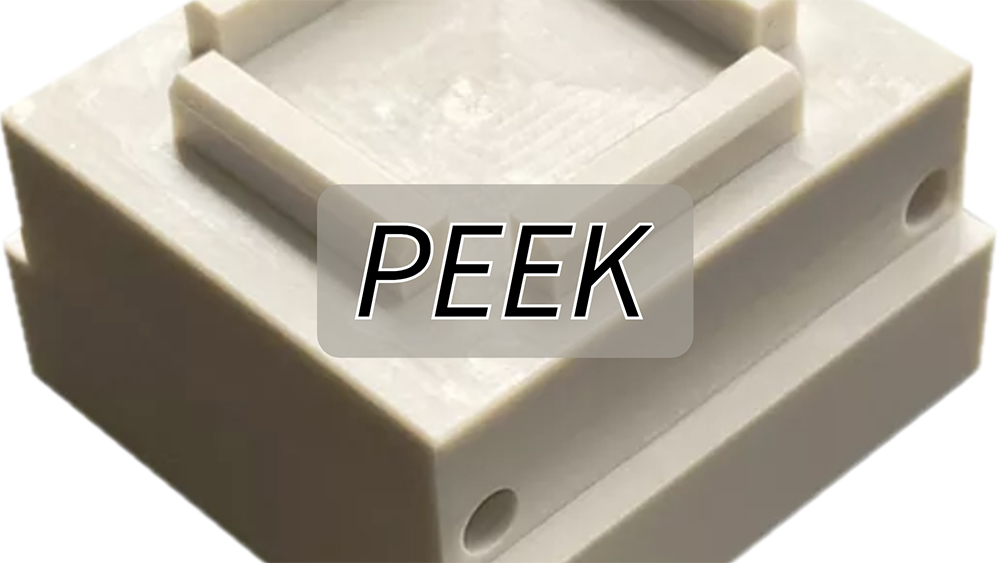
2.2 Do PEEK and PPSU Meet ISO 10993 and USP Class VI Standards?
Biocompatibility is a key indicator of medical plastics, mainly used to determine whether the substances released from the material will cause potential harm to the human body. Currently, two international standards are mainly followed:
- ISO 10993:Developed jointly by the International Organization for Standardization (ISO) and the US Food and Drug Administration (FDA), it has become a globally recognized standard since 1995 and includes multiple testing contents such as cytotoxicity, allergenicity, and implant safety.
- USP Class VI:This is a standard established by the United States Pharmacopeia and was widely used in the industry before 1995, mainly focusing on evaluating the short-term biological safety of materials.
Like PEEK (such as the Ketaspore series) and PPSU (Radel) ®R), Both have passed the USP VI and ISO 10993 certifications; PEI materials also meet medical grade biocompatibility requirements and can be safely used for devices that come into contact with the human body.
2.3 Common Advantages of Polysulfone Materials
PPSU, PSU (Udel) and other polysulfone compounds have several prominent common advantages: Materials such as PPSU and PSU (Udel), which are polysulfone based, have several practical common advantages and are suitable for use in medical and high-end manufacturing scenarios.
- Strong temperature resistance: Within the temperature range of -40 ℃ to 200 ℃, stable thermal performance can be maintained for long-term use without easy problems;
- Rigid structure: Whether it is in contact with hot water or repeatedly disinfected, the hydrolysis stability and dimensional stability are reliable, and there will be no obvious deformation;
- Well-balanced mechanical properties: It has good toughness, can withstand certain external impacts, and has high yield resistance – taking PPSU as an example, its notch impact strength can reach 694 J/m, and it has strong resistance to construction in daily use;
- Good chemical corrosion resistance: Faced with acidic and alkaline solutions, enzyme cleaners, and additives such as morpholine and hydrazine commonly used in boilers, it can withstand erosion and fully adapt to the complex cleaning processes in medical settings, without worrying about being damaged by cleaning agents.
3. PEEK or PPSU: Material Selection Suggestions and Application Scenarios
- High frequency disinfection medical equipment: such as surgical instrument trays, endoscope components, and reusable syringes, PPSU or PEEK are preferred. These two materials can withstand more than 1000 steam disinfections and have good biocompatibility;
- High temperature working condition equipment: For components such as sterilizers and high-temperature detection instrument casings, PEEK (30% GF reinforced) is recommended. Its thermal deformation temperature can reach 315 ℃ and can adapt to extreme high temperature environments;
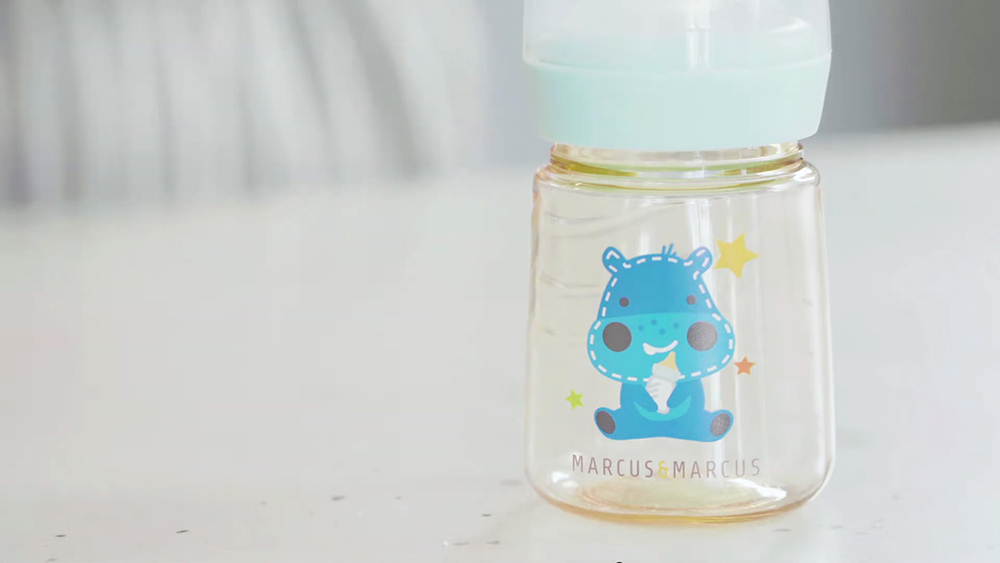
- Transparent demand scenarios: such as medical catheters and observation windows, PPSU is a good choice as it has both transparency and toughness, making it a high-end alternative to PC materials;
- Cost sensitive projects: If only basic disinfection needs to be met within 100 times, PSU or PEI materials can be selected to ensure performance and control budget;
- Disposable medical devices: such as disposable surgical blade packaging and minimally invasive instrument components, PEEK or PEI can be used, which can adapt to gamma ray rapid disinfection without residual risks.
Conclusion
PEEK and PPSU are widely used in high-performance engineering plastics, with key indicators such as thermal stability, biocompatibility, and tolerance after repeated disinfection that can withstand the test. Therefore, they have always been the preferred materials in the medical and high-end manufacturing fields. However, when choosing, don’t blindly follow the trend. You need to consider the actual situation, such as how long the equipment needs to be disinfected, what the working environment temperature is, whether it should be transparent, and whether the budget is sufficient. Only by taking all of these into consideration can you choose the most suitable one.
In the future, the modification and upgrading of PEEK and PPSU (such as enhanced and antibacterial), as well as the expansion of application scenarios, will be an important direction for the development of the industry.
Want to find a reliable plastic part manufacturer for your project? You are at the right place! KingStar specializes in high-performance engineering plastics and possesses high-quality resources and professional technology in PEEK and PPSU! Feel free to contact us at sales@kingstarmold.com or leave online message, you will get reply within 24 hours.