PC Injection Molding
Polycarbonate injection molding is renowned for creating parts with exceptional clarity and strength, making it a leading option in the injection molding industry. Additionally, by modifying the material, it is possible to produce opaque parts as well.
With the need for precise processing, PC molding accommodates a variety of applications, ranging from transparent, high-clarity components to specialized, non-transparent parts tailored for specific requirements.

Custom PC Part Manufacturer
Among transparent materials, PC injection molding is more commonly used than PMMA (Acrylic) and AS injection molding. KingStar Mold has accumulated extensive experience and a wide range of case studies in PC injection molding, second only to ABS. Our in-depth research on modified PC materials has expanded its potential applications, enabling us to produce a diverse array of high-quality, customizable parts.
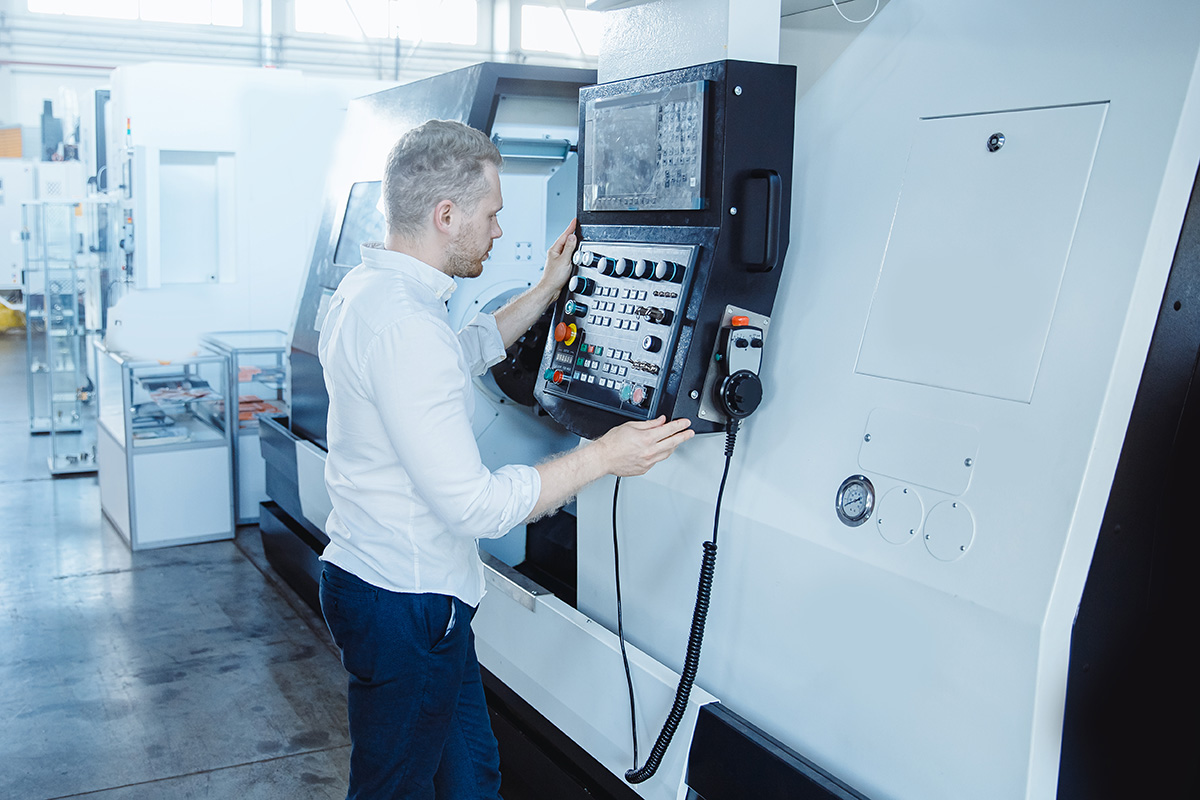
Automotive & EV
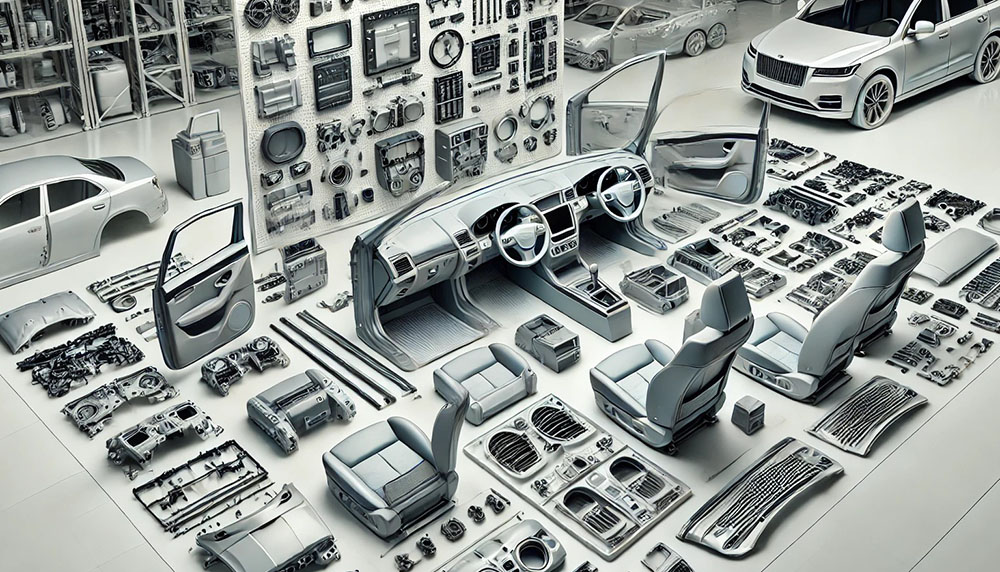
Consumer Electronics
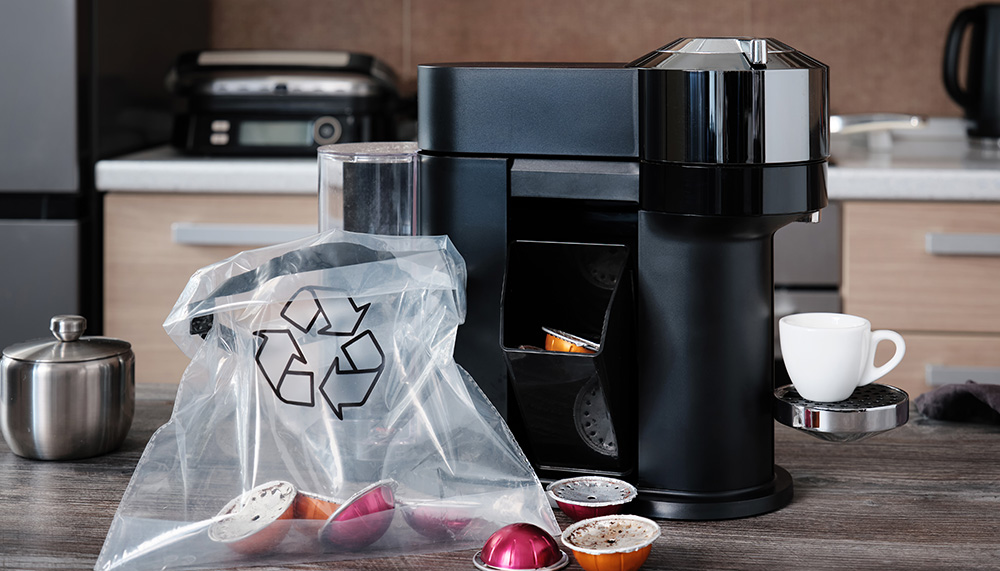
Medical Devices

Industrial Equipment
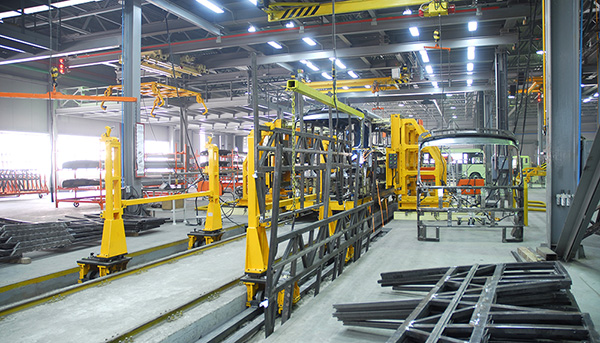
PC injection molding is widely utilized across numerous industries, including Telecommunications, Art and Design, Energy, Construction, and beyond. Commonly used modified plastics such as Glass-Fiber Reinforced PC, PC/PBT, and PC/ABS blends provide enhanced performance and versatility. These materials deliver improved heat resistance, increased durability, and higher strength, making them ideal for demanding applications and environments.
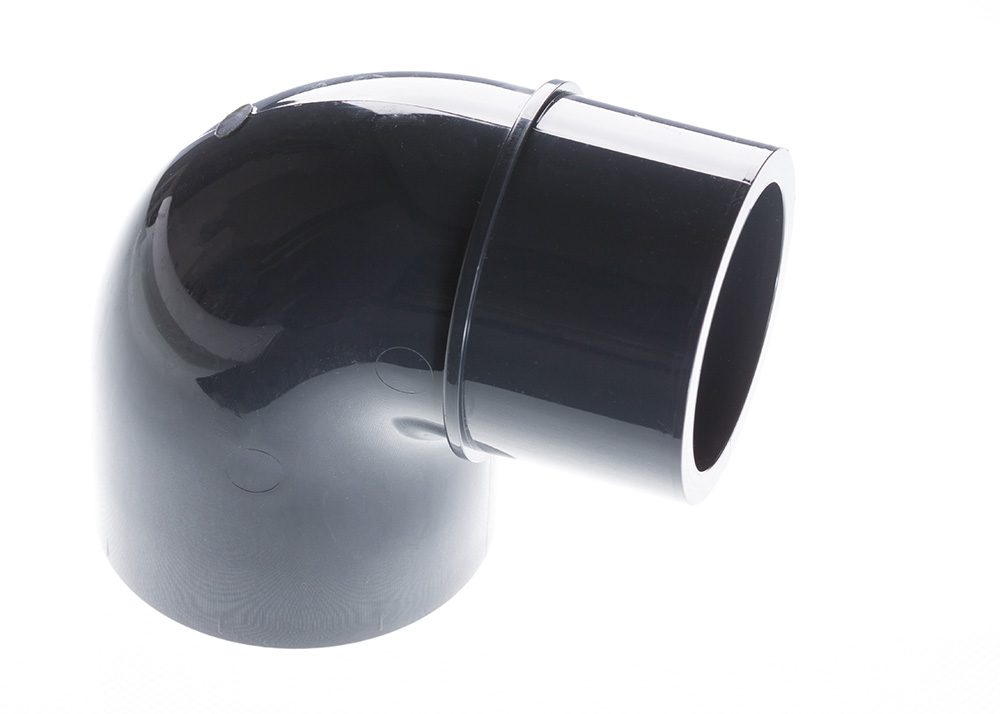
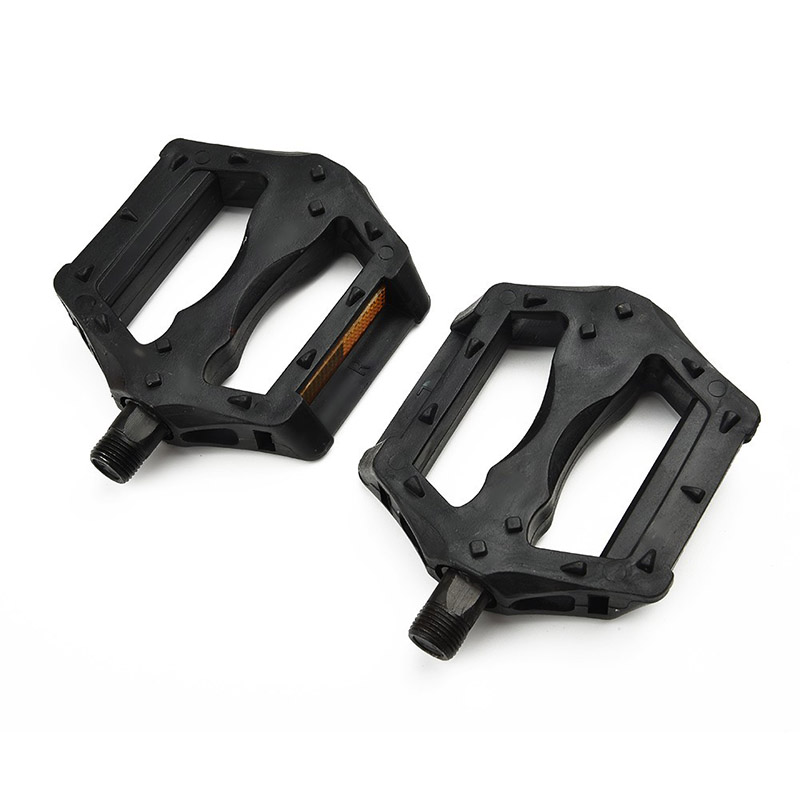
Optimizing Clarity and Durability
KingStar Mold specializes in producing PC parts with exceptional clarity and toughness, ideal for high-performance applications. We ensure optimal material flow and cooling to achieve consistent transparency and strength.
Our advanced molding techniques allow us to produce intricate, high-precision PC components with tight tolerances. We focus on accuracy to ensure every part meets your specifications.
Enhanced Material Performance
KingStar Mold uses modified PC materials, such as PC/ABS blends and glass-fiber reinforced PC, to improve part strength and heat resistance. This allows us to deliver high-quality, durable products for demanding applications.
PC Injection Molding Cases
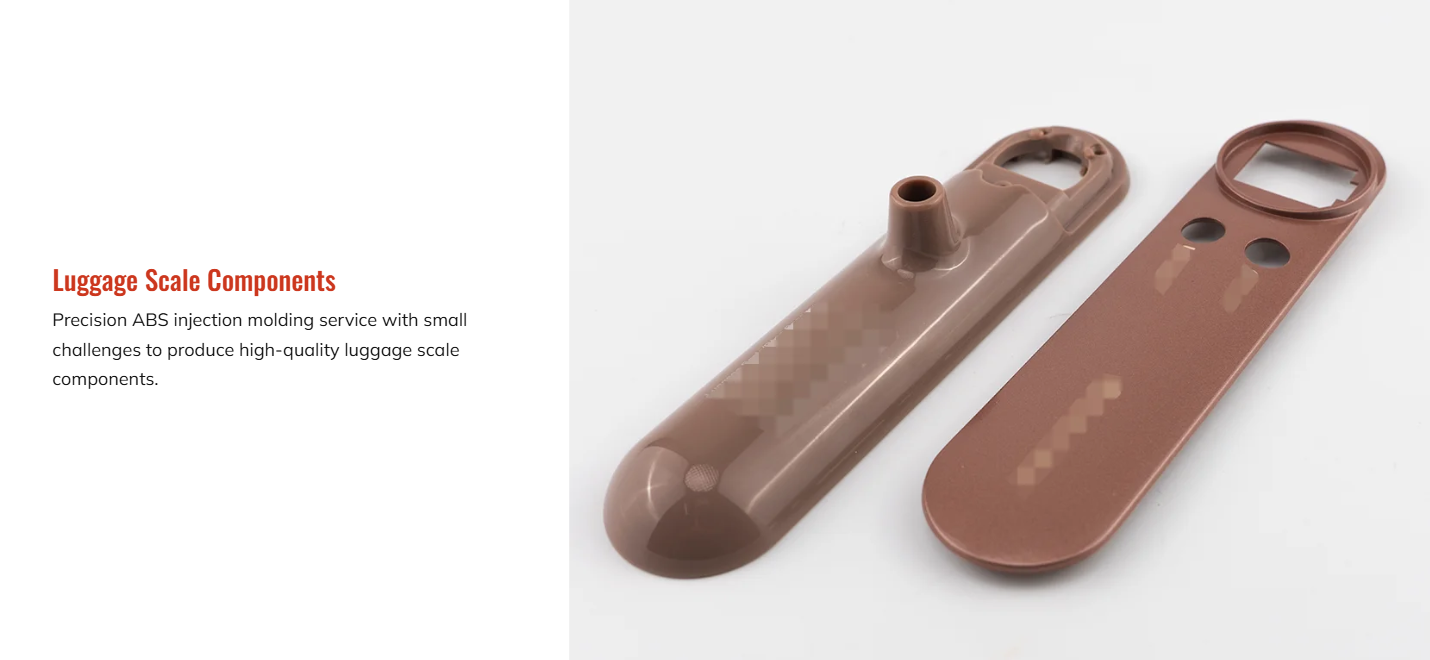
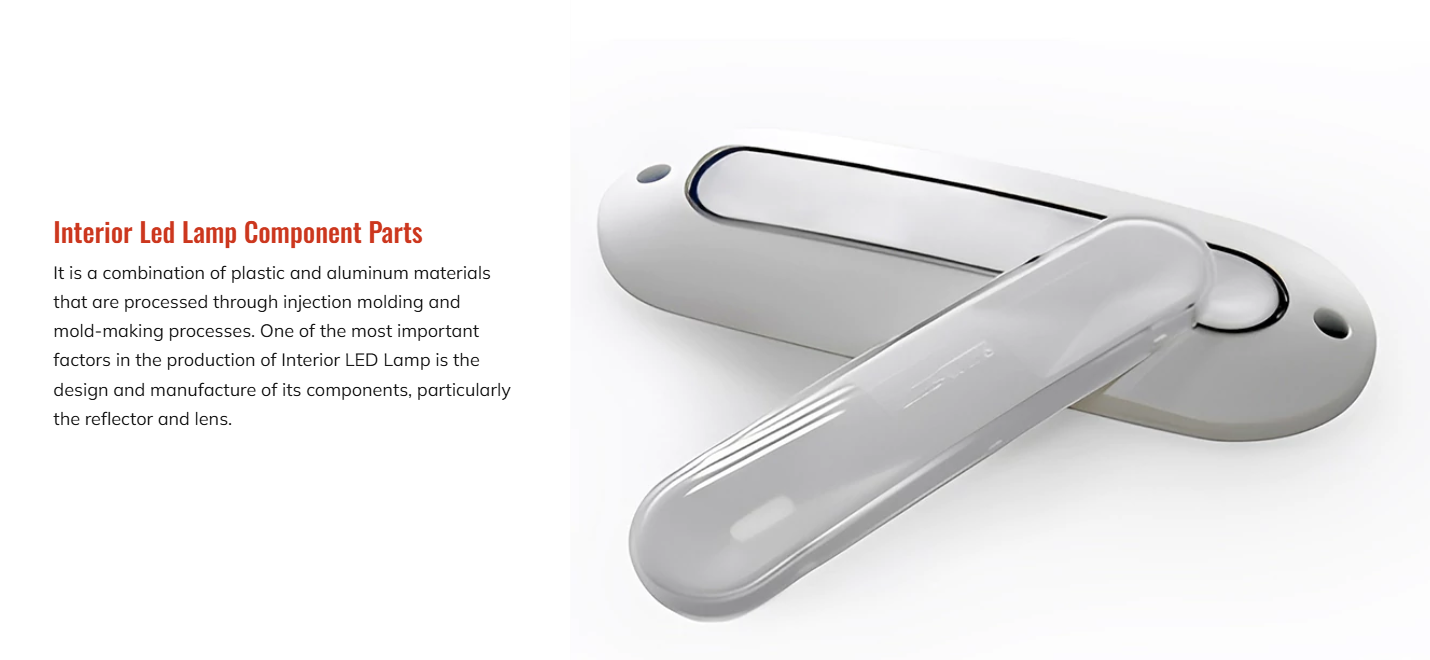
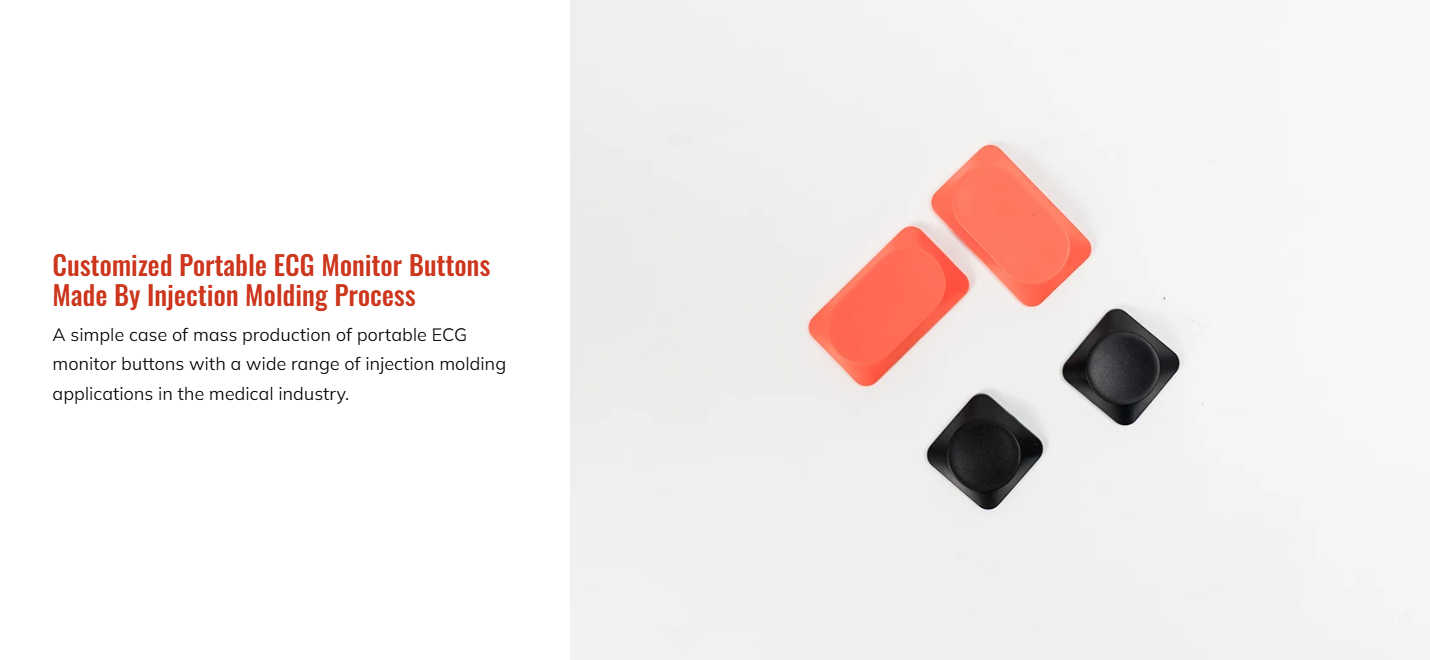
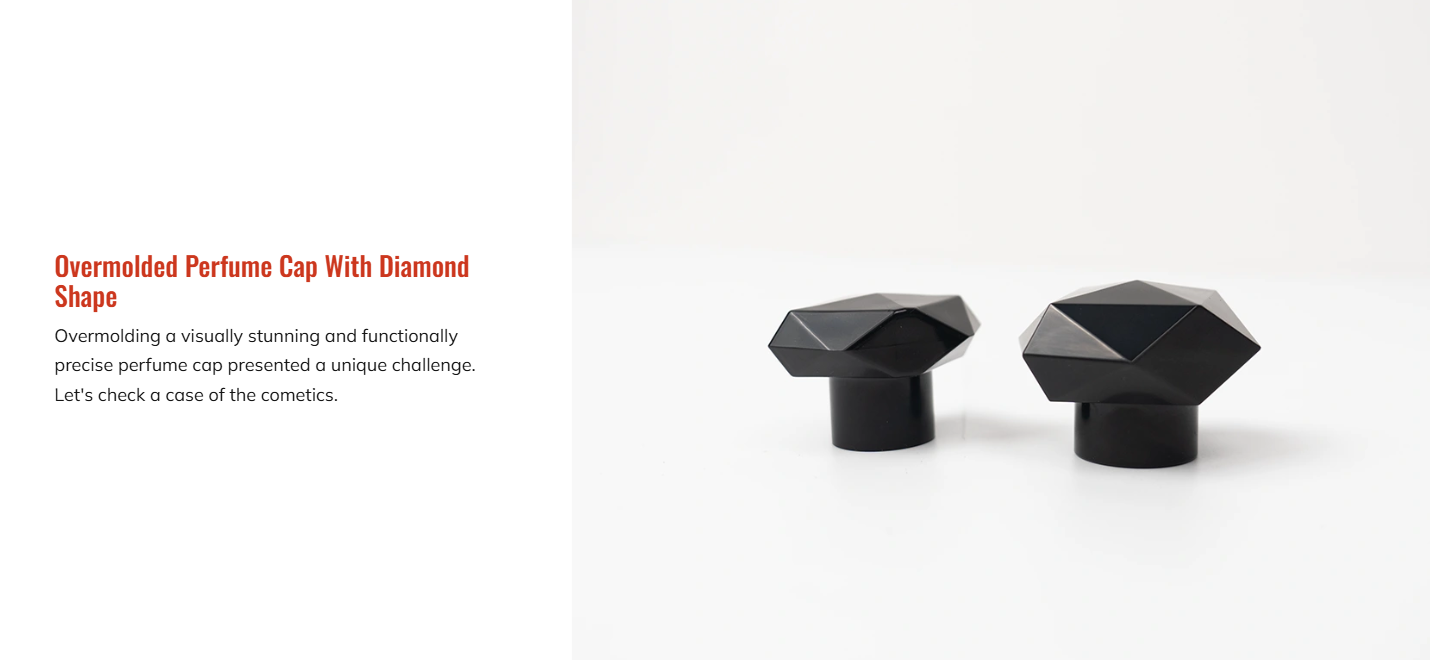
Frequently Asked Questions

We are well aware that polycarbonate (PC) is a high-performance engineering plastic that requires extremely precise manufacturing. Due to the fact that PC is highly sensitive to humidity, temperature and shear stress, its quality cannot be “tested” at the end of the production line – it must be integrated into the production process from the very beginning. From raw material drying to the final packaging, every PC part we produce is backed by a strict ISO 9001 quality management system.
1. Pre-forming stage: Strict material drying
Polycarbonate is hygroscopic. If the forming process is carried out in a “wet” state, the final formed components will have appearance defects (silver stripes) and will lose their impact strength.
- Process flow: We use a high-temperature dehumidification dryer to ensure that the moisture content of the polycarbonate resin before processing is less than 0.02%.
- Verification: We continuously monitor the dew point to ensure that the materials are completely dry before entering the barrel.
2. Process Control
PC is a viscous material that requires high temperature and high pressure. If the parameters are not set properly, residual stress will be generated, which may lead to cracks after repeated use or even during production.
- Melt temperature control: We maintain an accurate temperature curve (usually between 280°C and 320°C, depending on the material grade), to ensure that the material flows smoothly and does not degrade.
- Injection speed and pressure: We optimize the filling speed to avoid “jetting” or “flow marks”, which is particularly important for optical transparent components like lenses.
- Viscosity testing: During equipment installation, we conduct “Rheology curves” (melt flow index tests) to ensure consistent performance of material batches.
3. Advanced Tooling Design (Mold Flow Analysis)
Many quality issues originate from the mold design itself. We use Mold Flow analysis software before cutting any steel.
- Gate Position: We strategically place gates to weld lines in low-stress areas to maintain structural integrity.
- Cooling Optimization: PC holds heat. We design conformal cooling channels to reduce cycle time while ensuring the part cools evenly, preventing warpage.
4. Dimensional Validation (CMM & 3D Scanning)
We use coordinate measuring machines (CMMs) to verify whether the key dimensions meet the specification requirements, and provide a detailed FAIR report to ensure that the parts produced by the mold fully comply with your CAD data requirements.
5. Visual Inspection (Clarity & Surface Finish)
For transparent components, we use a light box inspection method to check for the presence of fog, black spots, or bubbles; for opaque components, we ensure that the color combination is perfect and inspect the surface for any flaws, such as dents or scratches.
6. Impact & Stress Testing
Not only will we inspect the components themselves, but we will also test their functions, such as drop tests or chemical resistance tests, etc.
Common defects include warping, sink marks, voids, jetting, and poor surface finish, which can often be mitigated with the right processing techniques.
Click here to read more:
Short answer: Yes, absolutely.
Polycarbonate (PC) is inherently a transparent amorphous polymer. By using different additives and colorants, the exact same base material can be transformed into anything from crystal-clear lenses to deep black, opaque housings.
1. Transparent PC
Because polycarbonate (PC) is inherently transparent, it is currently one of the only engineering-grade plastics that can rival glass and acrylic.
To maintain the transparency of the material, it is necessary to ensure its purity and absence of impurities. No pigments or fillers that scatter light can be added. The color ranges from clear and transparent to slightly blue/green tones (the specific color depends on the specific grade). It should be noted that to achieve a perfect transparent effect, the plastic must be extremely dry before molding. If there is any moisture, the finished product after molding will have silver streaks (cracks) or bubbles, thereby destroying its transparency.
Transparent PC is mostly used in car headlight lenses, protective glasses, (digital) optical discs, and greenhouses.
2. Translucent PC
This type of plastic allows light to pass through, but it causes the light to scatter, so you cannot see clearly through it.
The principle is to add a small amount of light diffusing agent to the raw material. It is mostly used in LED lamp covers (to shield individual LED lights while dispersing the light), colored sunglasses lenses, and some medical equipment.
3. Opaque PC
This kind of products are completely opaque.
To achieve this effect, we add colorants (masterbatch) or pigments to the PC pellets. Carbon black is a common additive used to produce black PC (also providing UV protection); Titanium dioxide is used to produce white PC. It can produce any color imaginable – bright red, pure black, industrial gray, and so on. It’s mostly used for electric tool casings, mobile phone casings, automotive interior parts, and laptop computer bodies.
Polycarbonate (PC) is often the material of choice in industries that require a combination of impact resistance, heat resistance, and optical clarity (or a high-quality surface finish).
1. Automobile and Transportation Industry
This is the largest application area for PCs. Compared to glass, PCs can reduce the weight of vehicles while also enhancing safety. Therefore, they are widely used in this industry.
- Transparent PC: Headlight lenses (must be able to withstand the heat generated by the bulb and be able to resist the impact of debris on the road); panoramic sunroofs (reduce weight and lower the vehicle’s center of gravity); dashboard lenses, etc.
- Opaque PC: Exterior decorations (grilles/hoods) usually use a glossy black (opaque) polycarbonate material for decorative baffles between the windows; interiors mainly include ventilation grille blades, etc.
2. “Electronic and Electrical” (E&E)
PC is an excellent insulator and flame-retardant material, and it can also achieve an attractive design. It’s used to produce: smartphone protective cases/battery covers (PC/ABS mixture); laptop tops and bases; electrical connectors and circuit breakers; LED eyewear covers, etc.
3. Medical and Health Care
PCs can be disinfected through radiation, ethylene oxide, or high temperatures, and they rarely break. Therefore, they are also widely used in medical devices, such as surgical instruments, the enclosures used to fix the dialysis membranes in hemodialysis machines, IV connectors and stopcocks, incubator housings, and so on.
4. Optics and Lighting
Due to its high transparency and high refractive index, it is commonly used in goggles/eye protectors, magnifying glasses, street lamps and high-rise lampshades, etc.
5. Consumer Goods and Household Appliances
The bottle caps and water outlets of the cooler jug, the containers of food processors, the exteriors of luggage cases, and the frames of drones, etc.
Common types include standard polycarbonate, PC/ABS blends, glass-fiber reinforced PC, and PC/PBT.
PC injection molding refers to the manufacturing process of producing plastic parts using polycarbonate (PC) as the raw material in an injection molding machine. PC is a thermoplastic polymer and is renowned for its unique combination of properties:
PC rarely breaks under normal use (typically 250 times stronger than glass and 30 times stronger than acrylic); it has excellent light transmittance, making it an excellent substitute for glass; it has excellent heat resistance – it can withstand temperatures higher than many other common plastics; and it can maintain its shape well under high force and rapid temperature changes, meaning it has high dimensional stability.
The working principle of PC injection molding is as follows: Liquid polycarbonate is injected under high pressure into a metal mold (tool) → The plastic cools and solidifies into the shape of the mold → The mold opens, and the finished components are ejected.