Choosing a baby bottle is perhaps one of the first big challenges for new parents. As the baby’s health is the top priority, the quality of the baby bottle really matters. But you may feel overwhelmed facing so many options on the market. Among the most talked-about materials today is PPSU (polyphenylsulfone) — a high-performance plastic that has gained popularity for its durability and safety claims. But is PPSU really safe for your baby?
In this article, we will introduce everything you need to know about PPSU baby bottles to help you choose the most appropriate bottle for your baby.
What is PPSU Material?
As a thermoplastic polymer in the sulfone family, PPSU is characterized by aromatic rings connected by sulfone (-SO₂-) groups along its polymer backbone. Compared to common engineering plastics such as PSU and PES, it is more transparent and has higher impact strength as well as stronger chemical resistance thanks to its distinctive amorphous structure. With a glass transition temperature around 220°C (428°F), PPSU can withstand continuous heating, making it suitable for repeated cleaning and sterilization without deformation.
Is PPSU Safe for Babies?
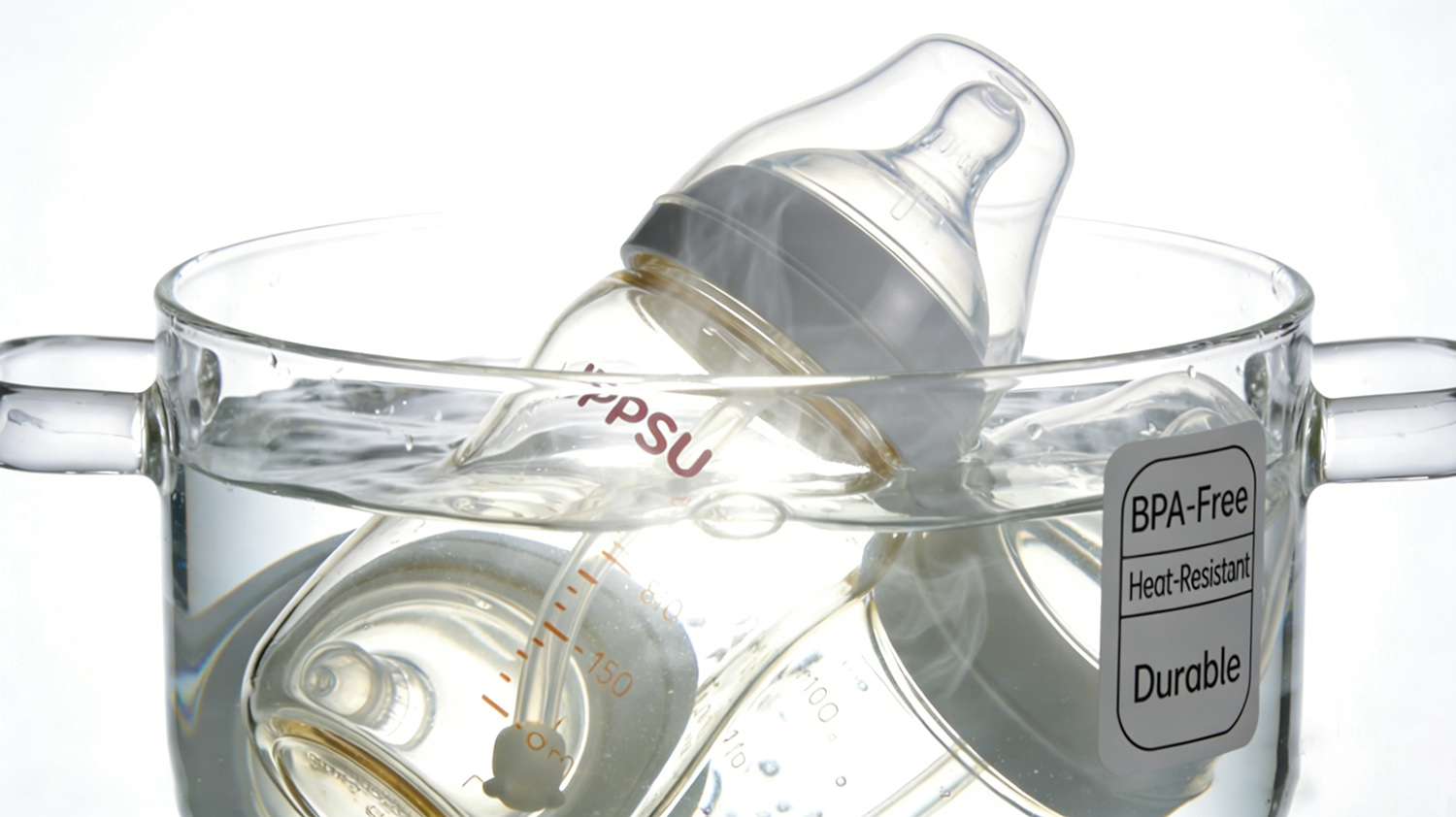
Absolutely. PPSU bottles are BPA-free, heat-resistant, and durable, ensuring your baby’s health and safety.
1. BPA-Free
One of the biggest concerns with plastic baby bottles in the past was bisphenol A (BPA), a chemical linked to hormonal disruptions. But PPSU contains no BPA. It’s also free from BPS, phthalates, and other harmful chemicals commonly found in lower-grade plastics.
2. Heat-Resistant
Unlike other plastics, PPSU can withstand temperatures up to 180°C (356°F) without deforming or releasing toxins. This allows PPSU bottles to hold both hot and cold liquids without harming the bottle’s shape or texture and makes it easier to clean and sterilize.
3. Durable
The high strength of PPSU prevents the bottle from shattering, making it more drop-resistant than glass bottles and other plastic bottles.
What’s the Difference between PPSU and Other Materials?
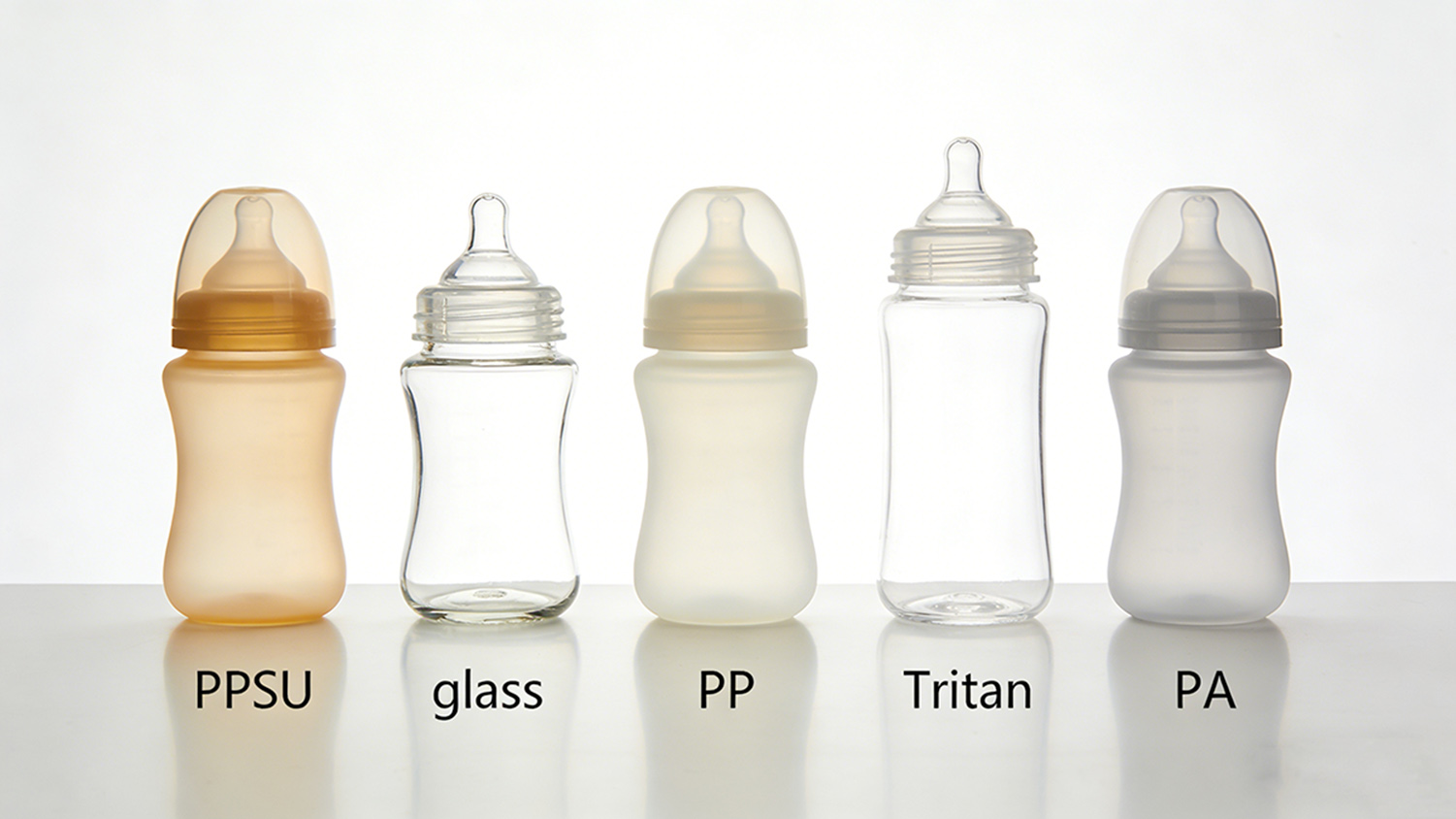
Choosing the right material for the baby bottle is crucial for your baby’s health. Let’s take a closer look at the differences between PPSU and other popular options such as glass, PP, and Tritan.
| Feature | PPSU (Polyphenylsulfone) | Glass | PP (Polypropylene) | Tritan (Copolyester) | PA / Nylon |
| Heat Resistance | Up to 180°C (356°F) | Very high | Moderate | Lower, around 100°C(212°F) | Lower |
| Chemical Safety | BPA-free, BPS-free, phthalate-free | BPA-free and chemically inert | BPA-free | BPA-free | BPA-free |
| Durability | Shatterproof and highly impact-resistant | High breakage risk | Shatterproof | Shatterproof | Shatterproof |
| Weight | Lightweight | Heavy | Lightweight | Lightweight | Lightweight |
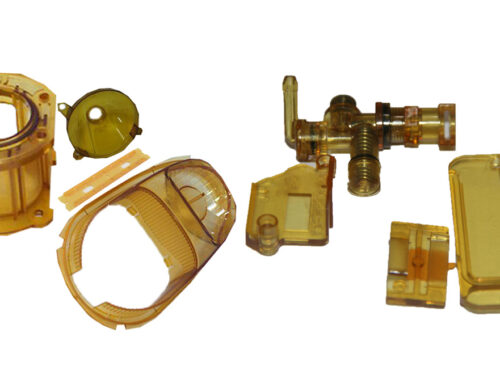
| Clarity | Clear (golden tint) | Crystal clear | Can cloud over time | Highly transparent | Can cloud over time |
| Cost | More expensive, but offers superior longevity and performance | More affordable | More affordable | More affordable | More affordable |
To sum up, if you’re looking for a baby bottle that can withstand daily sterilization, survive accidental drops, and be safe enough, then PPSU is the best choice. Although it is relatively expensive, it’s definitely worth the price.
How long do PPSU bottles last?
Generally speaking, the service life of PPSU bottles is around 6-12 months under normal use. Although PPSU material is strong and durable, the bottle may show wear and scratches after frequent use. Therefore, it is recommended to check the bottles regularly and replace them if there are any signs of damage or deterioration.
Replace the bottle if there is
- Wear or deep scratches.
- Persistent odors or stains that won’t wash out.
- cloudiness (frequent washing and oxidation can make the bottle opaque).
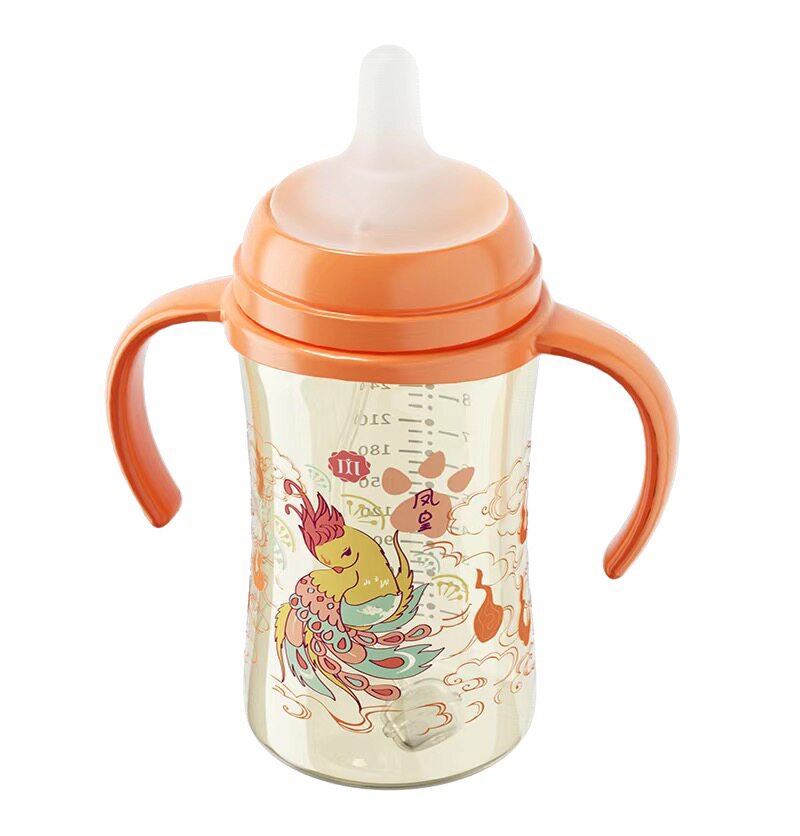
If you notice signs of yellowish discoloration on the bottle, don’t panic—it’s totally normal!
FAQ
Is PPSU safe for my baby?
Yes. PPSU is light, BPA-free, and heat-resistant—it won’t release harmful substances even when sterilized at high temperatures. It also complies with FDA (USA), Prop 65, and LFGB (Germany) food-grade standards, so it’s safe enough for your baby.
Does PPSU contain BPA?
No. PPSU is completely free of BPA, BPS, and other harmful chemicals.
Can I sterilize PPSU bottles in different ways?
Sure. PPSU bottles can be sterilized in boiling water and dishwashers, as well as microwave steamers. But it is not advisable to use UV sterilizers, as UV rays may degrade the material over time.
Are PPSU bottles eco-friendly?
Yes. The extended lifespan of PPSU bottles means that they produce less waste, and PPSU is also recyclable.
Conclusion
Nowadays, PPSU bottles have become an ideal choice for many families because of their safety, durability, and lightweight nature. You can choose the most suitable bottle for your baby according to the actual situation and pay attention to regular inspection and replacement in the process of use.
As an experienced blow molding manufacturer, KingStar specializes in producing high-quality water bottles. Our PPSU baby bottles are rigorously tested to meet FDA and EU safety standards. Whether you’re a parent looking for the safest bottle for your baby or a company seeking a trustworthy manufacturing partner, KingStar is the right choice. Contact us at sales@kingstarmold.com to address your requirements, and we will reply to you as soon as possible.