In the field of polymer materials, ABS resin has become one of the most widely used resin materials in industrial production and civilian manufacturing. Due to its processability of general plastics and the high performance of engineering plastics, ABS is widely known as “sub engineering plastics”. As a ternary copolymer of acrylonitrile butadiene styrene, ABS resin can be adapted to different scene requirements by adjusting component ratios and modifying processes. It occupies an important position in many fields such as automobiles, home appliances, and office equipment, and is a high-quality polymer material that combines practicality and plasticity.
KingStar, as a leading injection molding company, has rich practical experience in ABS injection molding. Next, we will comprehensively analyze the core value and application points of ABS resin from the aspects of basic characteristics, application fields, molding processes, and modified categories.
ABS resin, also known as acrylonitrile butadiene styrene copolymer (ABS), has a basic ratio of 20:30:50 and a melting point of 175 ℃. By adjusting the ratio, combination method, and particle size of the three, varieties with different impact strengths and flow characteristics can be produced. For example, adding butadiene component can improve impact strength but reduce hardness, flowability, strength, and heat resistance.
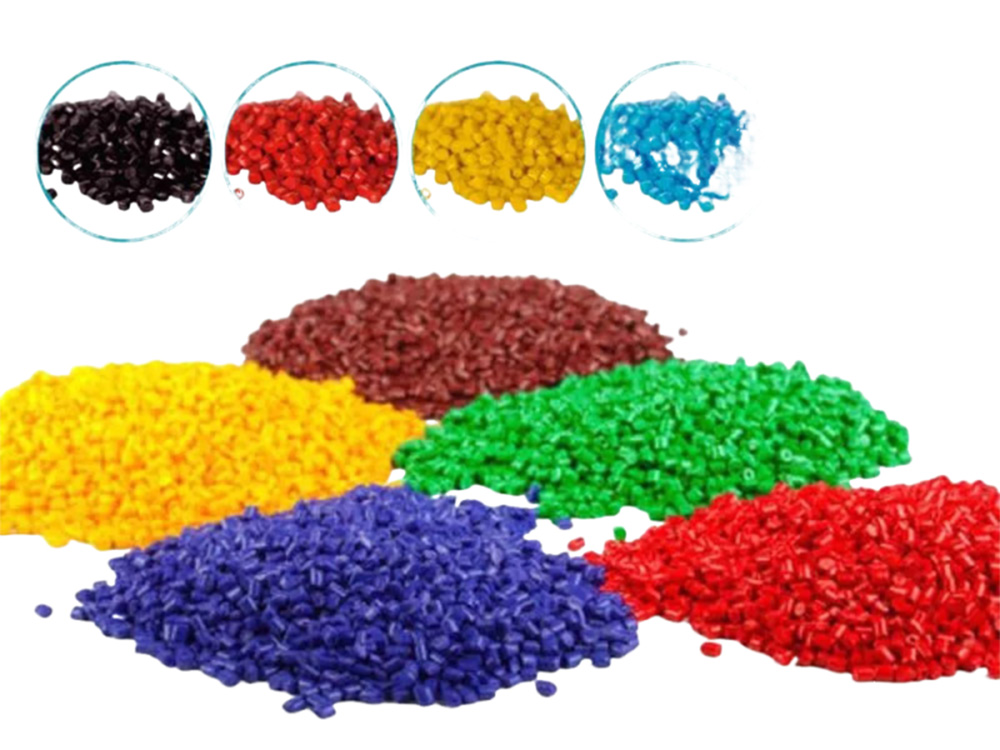
ABS is a resin with excellent comprehensive performance, characterized by non-toxic, slightly yellow color, and high impact strength over a wide temperature range. The heat deflection temperature is higher than that of PA and PVC, and the dimensional stability is good. The typical shrinkage rate is 0.4%-0.8%, which can be reduced to 0.2%-0.4% after glass fiber reinforcement, and there is almost no plastic shrinkage. Good moldability, high surface smoothness of the product, excellent coating and dyeing properties, and can also be electroplated into various colors. Excellent compatibility, able to blend with various resins such as PC, PVC, PA, etc. to form alloys. When mixed with MMA, it can be made into transparent ABS with a light transmittance of up to 80%, expanding its performance and application scenarios.
Although ABS is not included in the five major general plastics (requiring HDT greater than 100 ℃) due to its heat deflection temperature (HDT) of about 80 ℃, its actual usage far exceeds any of the five major categories of general engineering plastics. In 1998, global consumption of ABS reached 3.427 million tons, while China’s consumption was 1.14 million tons, accounting for 33% of the global total consumption, indicating significant market demand.
2. Core Application Fields of ABS Resin
Based on its comprehensive good performance and excellent moldability, ABS resin has been widely used in multiple industries, with the following core application areas:
2.1 Automotive Industry
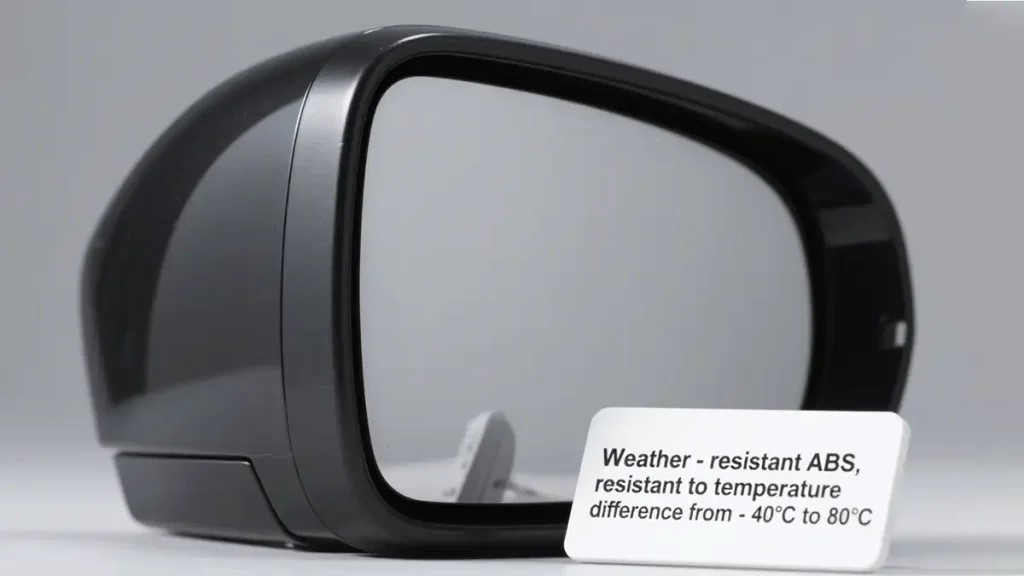
The automotive industry is an important application scenario for ABS, and many components of various vehicles are made of ABS or ABS alloy. Taking the Shanghai Santana sedan as an example, each car uses ABS up to 11kg, ranking third among automotive plastics. In 2000, the amount of ABS used in automobiles in China had reached 35000 tons, and it is predicted to rise to 60000 tons in 2010.
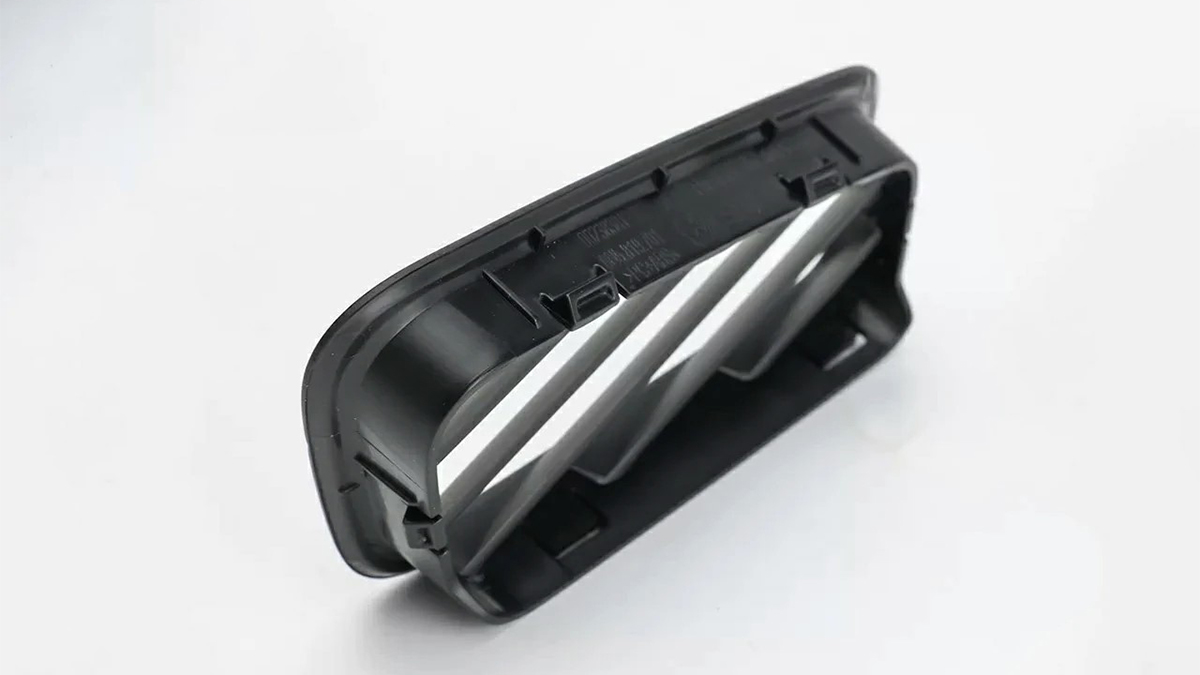
Applications of core components in sedans include: instrument panels using PC/ABS as the skeleton, overlaid with PVC/ABS film; glove boxes and storage bin assemblies made from heat-resistant ABS; sill upper/lower trims, radiator grilles, etc., all made from ABS. Various interior decorative parts also extensively utilize ABS material.
2.2 Office Equipment
Office equipment has high requirements for appearance texture and tactile feel. ABS has become the preferred material for telephone and memory casings due to its good formability and surface performance. A large number of core components of computers, fax machines, copiers and other equipment are also made of ABS.
2.3 Home Appliances
The high gloss, easy molding, and low shrinkage rate of ABS perfectly meet the needs of home appliance manufacturing and have a broad market in the field of home appliances and small appliances. Some manufacturers use flame-retardant ABS to make the front and rear shells of large screen televisions. Household fax machines, speakers, VCDs, and other audiovisual equipment, as well as household appliances such as electric fans, air conditioners, air conditioners, vacuum cleaners, and various kitchen utensils, all extensively use ABS to make components.
2.4 Other fields
In toy manufacturing, various beautifully shaped and combined intellectual development toys are often made of ABS. At the same time, ABS also has stable market demand and has become a commonly used basic material in the communication and broadcasting industry.
3. Key Points of ABS Molding Process
The molding process of ABS resin requires strict control of various process parameters. The core process requirements and operating points are as follows, among which ABS is a water hygroscopic plastic, and drying treatment is a key step before molding. The parameters of subsequent injection molding processes also need to be adjusted according to the grade.
(1) Drying Treatment
ABS can absorb 0.2%-0.35% moisture at room temperature for 24 hours. If the humidity exceeds 0.2% during injection molding, it will seriously affect the surface quality of the product. Therefore, drying treatment must be carried out before molding, and the moisture content after drying should be less than 0.2%.
Drying method and corresponding parameters:
| Drying Method | Temperature | Time |
|---|---|---|
| Atmospheric hot air drying | 80-85 ℃ | 2-4 hours |
| Vacuum hot air drying | 80 ℃ | 1-2 hours |
(2) Injection Machine and Mold Temperature Parameters
Injection machine barrel temperature: It needs to be controlled according to the regional gradient. The temperature near the feeding port is relatively low, and gradually increases in the subsequent areas. The specific parameters are:
| Region/Location | Temperature Range |
|---|---|
| Zone 1 (near the feeding port) | 180-230 ℃ |
| Zone 2 | 180-240 ℃ |
| Zone 3 | 210-260 ℃ |
| Zone 4 | 210-280 ℃ |
| Nozzle | 210-260 ℃ |
| Mold | 60-90 ℃ |
Mold temperature: The overall temperature is controlled at 60-90 ℃, with the optimal temperature for conventional products being 60 ℃, and the upper temperature limit for fiberglass reinforced products.
(3) Injection Pressure
Injection pressure is generally controlled at 1500 bar, and the pressure during the holding phase can be appropriately reduced to about 750 bar.
(4) Design of Nozzle, Runner, and Gate
ABS has a higher viscosity than PS and requires larger circular or trapezoidal gates and runners. Diameter of the cold runner mold should be 6-8mm, or an equivalent trapezoidal runner, and semi-circular runners are not suitable.
ABS can be adapted to various molds such as hot runner and non runner molds. When using hot runner molds, the diameter of the runner ranges from 12-15mm, and the sprue can be selected as needle shaped, film shaped, submerged, or fan-shaped. The mold needs to be equipped with exhaust holes to avoid burning of raw materials.
(5) Injection Speed, Back Pressure, and Screw Speed
- Injection Speed: Conventional ABS products use high-speed and multi-stage injection. Flame retardant grade requires slow injection to prevent raw material decomposition. Heat resistant ABS requires rapid injection to reduce internal stress.
- Back Pressure: In principle, the lower the better. The commonly used gauge pressure is 5 bar, with a maximum not exceeding 15 bar.
- Screw Speed: Slow speed is adopted, generally not exceeding 0.55-0.65m/s.
(6) Melt Temperature
Temperature difference of ABS melt adhesive of different grades is significant, with flame retardant grades having lower temperatures, while electroplating and heat resistance grades require higher temperatures. The specific parameters are:
(7) Residence Time in Barrel
Residence time of materials in the barrel is directly related to temperature, and the higher the temperature, the shorter the allowed residence time. At 265 ℃, it should not exceed 5-6 minutes at most. At 280 ℃, the maximum duration should not exceed 2-3 minutes.
If there is an accident during the production process, the temperature of the barrel should be lowered to 120 ℃ first, and then the barrel should be cleaned with general ABS grade raw materials. Some ABS products have no abnormalities when ejected, but brown or yellow stripes appear during storage, which are often caused by overheating of the barrel or prolonged material retention time.
4. Modified ABS Resin and Variety Applications
ABS resin is a bulk general-purpose resin, which is modified by adding additives and blending with other resins to form alloys to improve its performance. Modified ABS belongs to the category of engineering plastics. Among them, ABS alloy has a large production, diverse types, and wide applications, making it the main category of modified plastics. Modified ABS can also achieve special properties such as high gloss, low gloss, and anti-static by adding specific additives.

4.1 Basic Properties of Modified ABS
Before modification, ABS is a light yellow granular or bead shaped opaque resin, non-toxic, odorless, and has low water absorption. It has good comprehensive physical and mechanical properties, such as excellent electrical performance, wear resistance, dimensional stability, chemical resistance, and surface gloss, and is easy to process and shape. The core drawbacks are poor weather resistance, heat resistance, and flammability. The core purpose of modification is to make up for these shortcomings and expand the performance boundary.
4.2 Mainstream ABS Alloy Varieties and Applications
- ABS/PC alloy: Improved the flame retardancy of ABS, with good toughness, mechanical strength, and flame retardancy. PC resins contribute to the alloy’s heat resistance, toughness, impact strength, and flame retardancy, while ABS provides good processability, apparent quality, and low density. It is mainly used in building materials, automotive, and electronics industries, such as televisions, office automation equipment casings, telephones, and automotive industry components as core application scenarios.
- ABS/PA alloy: It combines impact resistance, chemical resistance, good flowability, and heat resistance, and is used for industrial components such as automotive interior decoration, power tools, sports equipment, lawn mowers, and snow blowers, as well as office equipment casings.
- ABS/PBT alloy: It has good heat resistance, strength, chemical resistance, and flowability, and is suitable for making automotive interior parts, motorcycle exterior parts, etc.
- Other alloys: including ABS/PSU, ABS/PVC/PET, ABS/EVA, ABS/PU, ABS/EPDM, ABS/CPE, and other categories, achieving complementary performance according to the characteristics of each resin and adapting to different industrial needs.
4.3 Special Performance Modified ABS and Applications
- Anti static ABS: Permanent anti-static grade made by adding anti-static agent, used for paper transmission mechanism, IC chip holder, video recording and high-end audio tape of copiers and fax machines.
- High gloss ABS: By controlling the rubber particle size (smaller) in ABS to achieve high gloss characteristics, it is used in household appliances such as vacuum cleaners, air conditioners, fans, and telephones.
- Low gloss ABS: By adding coarse fillers to make the surface shrink and reduce surface gloss, it is used for automotive interior parts such as instrument panels, instrument covers, and pillars.
Conclusion
In summary, ABS resin has become a high-quality polymer material across industries due to its excellent comprehensive performance, flexible molding process, and rich modification categories. With the continuous upgrading of modification technology, the application scenarios of ABS alloy and special performance ABS will continue to expand, playing an irreplaceable role in industrial manufacturing upgrading and civilian product innovation. In the future, they will also demonstrate greater application potential in more high-end manufacturing fields.
If you are looking for a reliable custom part manufacturer or injection molding partners to develop the next generation of ABS (or its alloys) products, improve product performance and market competitiveness, we look forward to contacting you. Welcome to contact KingStar at any time at sales@kingstarmold.com. Let’s explore together how to transform your creativity into high-quality molded products.