As a vital tool in modern manufacturing and the core equipment supporting high-precision fields such as aerospace and medical devices, the CNC (Computer Numerical Control) machine not only represents productivity but can also be destructive due to incorrect operation and negligence. With something as delicate as CNC precision machining, there is little margin for error. So how can we tame this steel giant? This article will provide you with detailed information on CNC operating procedures. If you are serious about improving your CNC machining performance, this post is worth your time.
1.1 Users—CNC production unit: CNC operators, CNC programmers, CNC team leaders, and other personnel who are granted the power to use CNC machines by the supervisor.
1.2 Equipment maintenance technicians—people in charge of maintaining the equipment.
2. CNC Machining Operation Steps
Step 1: Start by turning on the main power supply, powering on the CNC machine tool, flipping the switch for the machine tool system, pressing the reset and emergency stop button, and turning on the transmission computer.
Step 2: Receiving the CNC process sheet and workpieces
Receive the CNC process sheet and the corresponding machining parts from the team leader. During the receiving process, it is necessary to check the work dimensions according to the process sheet. You are supposed to know where and how to process this part clearly, and processing instructions are required for key areas.
Step 3: Calibration and Alignment
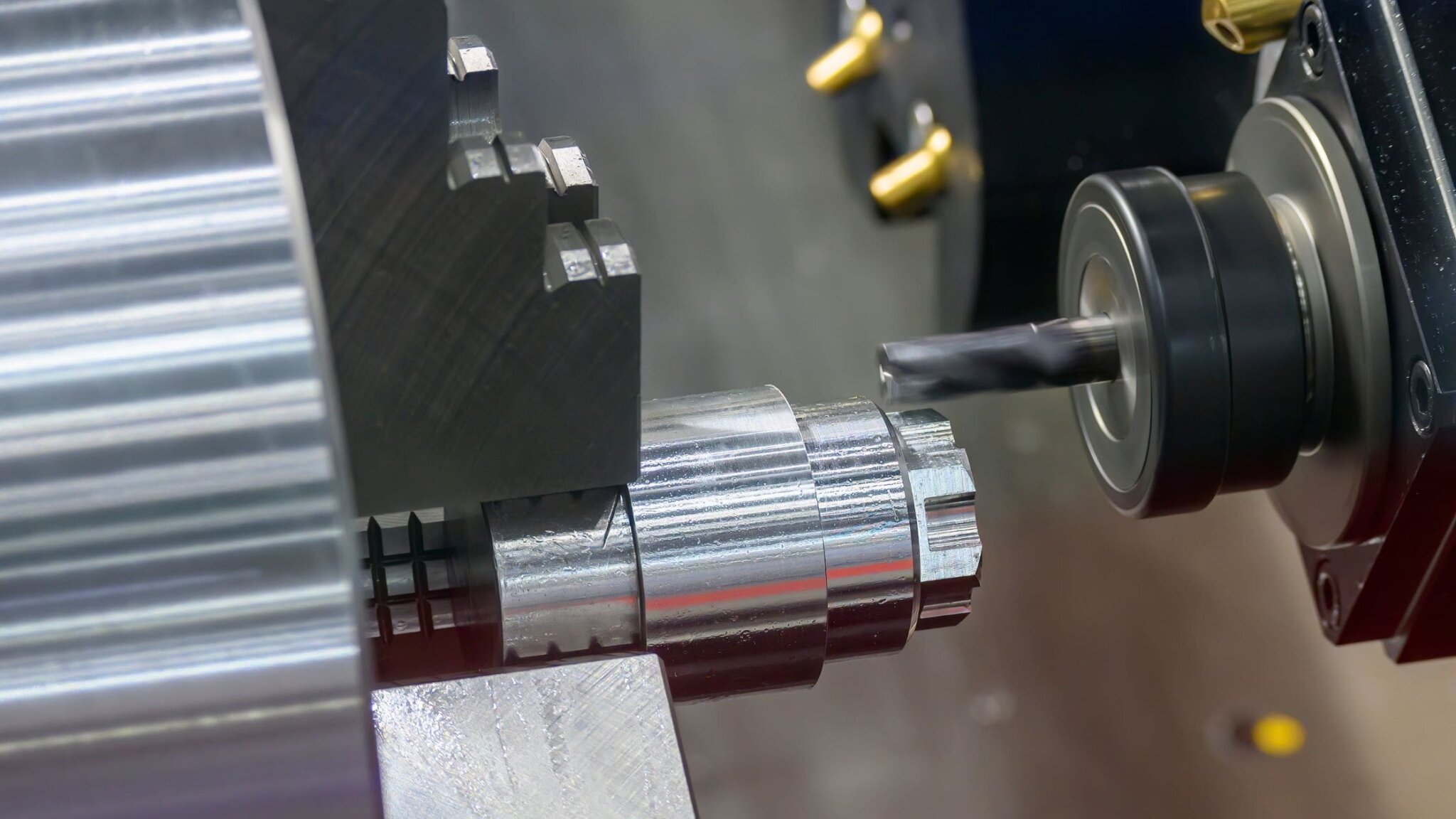
Place the workpiece on a clean machine tool table according to the correct machining method, clamp the machining parts in the corresponding direction, and then locate the central point of the workpiece.
Step 4: Calibration
1. Check whether the workpiece plane is parallel and perpendicular.
2. Make sure that there is sufficient travel range for workpiece movement.
3. Verify that the orientation of the workpiece matches the working drawing.
4. Calibrate the workpiece in the planar, horizontal, and vertical directions to ensure its minimum error.
5. Clamp the workpiece, then re-examine it to ensure that there is no shift in the workpiece during the clamping process.
Step 5: Locating the Central Point of the Workpiece
1. Check whether the centering surface is sloping. If so, center the workpiece at the same height.
2. The centering surface must be flat, clean, and free of burrs.
3. Set the centering speed between 500 and 550. Press the start button after confirming the speed. It is strictly forbidden for the centering speed to exceed 550.
4. After centering, you must reset and check (to reduce errors) to make sure that the workpiece is properly centered.
Step 6: Setting the Parameter
Move the machine tool to the central point of the workpiece, go through the reverse engineering process, and make a double check.
Step 7: Tool Installation
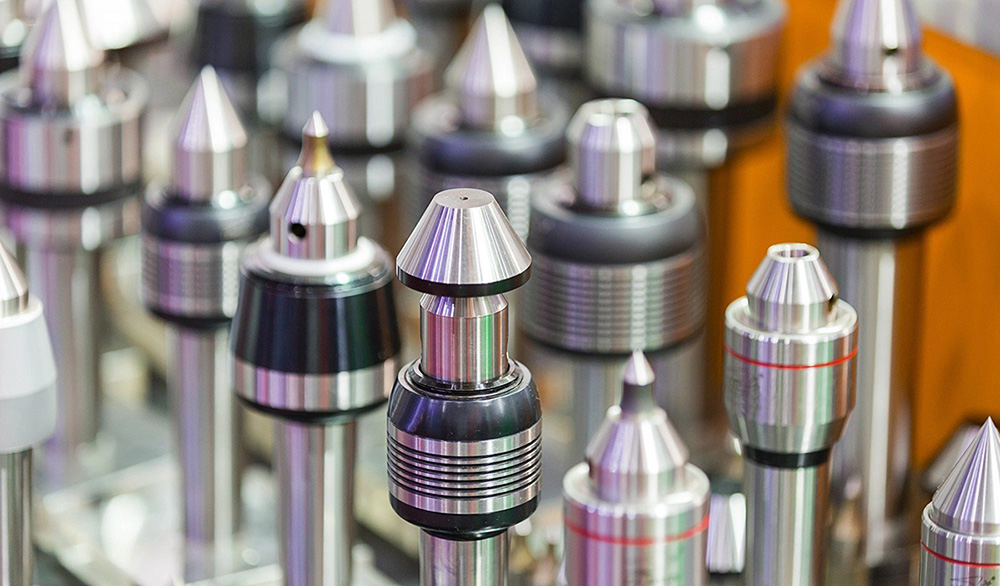
1. Carefully check the tool length specified on the program sheet to ensure that the tool is long enough. Make sure that the tool holder and collet are clean.
2. Inspect the tool for wear and replace or grind it if necessary.
3. After installing the tool in the spindle, measure its runout. The runout must be controlled within 0.01 mm.
4. During the tool installation process, pay special attention to the maximum tool installation capacity of this machine tool.
Step 8: Tool Setting
1. When setting the tool manually, do it at the same position to ensure that each tool is aligned accurately.
2. During the tool setting process, please be careful not to damage the tip of the tool.
Step 9: Pre-Machining and Operational Precautions:
Before machining, the operator should study the drawing carefully. If there is any question, consult the team leader or the programmer immediately to identify the issue and find the solution.
1. At the start of machining, for high-speed machines, activate the Handwheel Mode; for drilling and tapping machines, activate the Dry Run Mode for trial machining. Press the stop button when the tool is about to approach the workpiece, and re-check whether the distance between the remaining command position and the actual machining position matches.
2. Stick to your post and concentrate on the operational process. Do not engage in matters unrelated to work. If you have to leave the machine tool for any reason, make sure that you have handed over your work to the relevant personnel before leaving.
3. After machining, use measuring tools (such as calipers, external micrometers, and dial indicators) to inspect the dimensions of the part as much as possible to ensure that the dimensions meet the requirement.
4. Place the processed workpieces in their specified locations. Then return the working drawing to its proper place and fill out the required record forms.
5. The shift leader must hand over the drawings for the workpieces to be processed and the drawings corresponding to the workpieces currently being machined to the leader of the next shift. This process must be complete and clear.
6. Before leaving, operators must clean their assigned machine tools and perform routine maintenance as scheduled.
3. CNC Machine Safety Tips
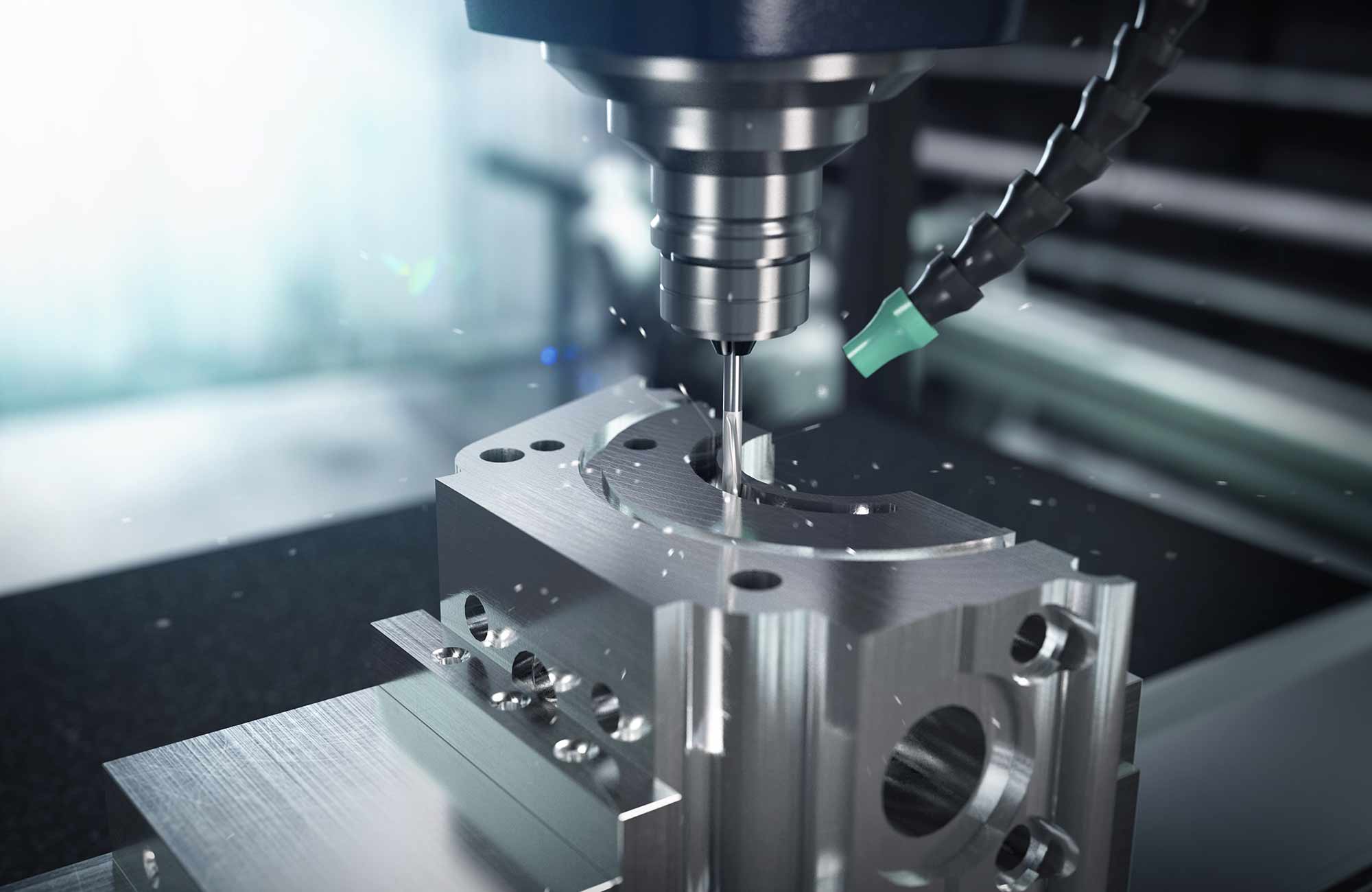
CNC machines are powerful tools, and with great power comes great responsibility. During the process of operating them, neglecting the importance of safety can bring about serious personal injury, workplace accidents, or irreversible damage to the machinery. Strict adherence to CNC safety rules is essential for maintaining a secure and efficient machining environment.
3.1 Remember to wear the right safety gear such as snug-fitting clothes, oversleeves, a safety helmet, and safety goggles, and don’t forget to put on work shoes. Always inspect the body parts of the machine, its guide rails, and all main sliding surfaces before use—remove the obstacles on them, clear the dust, and clean the tools. Wearing scarves, gloves, or sandals is strictly prohibited in the operation process. It is also forbidden to wear gloves at work.
3.2 When operating the machine tool, it is necessary to prevent the spindle and the cutting tool from colliding with the equipment. Make sure that only one person is operating the machine, and others are not allowed to touch the buttons.
3.3 In case of an emergency during automatic processing, please press the reset or emergency stop button immediately. The cause of the emergency must be identified before the operation proceeds.
3.4 Before you start pressing buttons, make sure that the machine guarding door is closed. Do not open the door at will while the machine tool is running.
3.5 When loading the workpiece onto the machine, try to do it by yourself instead of asking several people to lift it. Use a crane if the workpiece is heavy.
3.6 Don’t forget to turn off the CNC machine before holidays. Please make sure that computers and machine tools are all disconnected from the electricity supply.
Conclusion
In this post, we walked through the key practices that make CNC machining safer, faster, and more precise. It isn’t just about learning how to press the buttons—it’s about building a disciplined, repeatable process. From preparation and setup to execution and final inspection, every step affects the outcome.
At KingStar, we specialize in precision CNC machining solutions tailored to your project needs. If you need to delve deeper into this field or are seeking a reliable CNC machining service provider, please feel free to contact us at sales@kingstarmold.com or leave online message. We will reply to you within 24 hours.