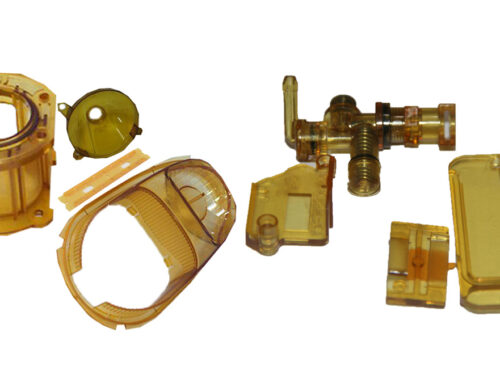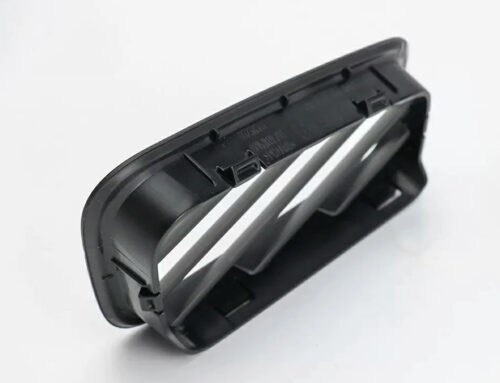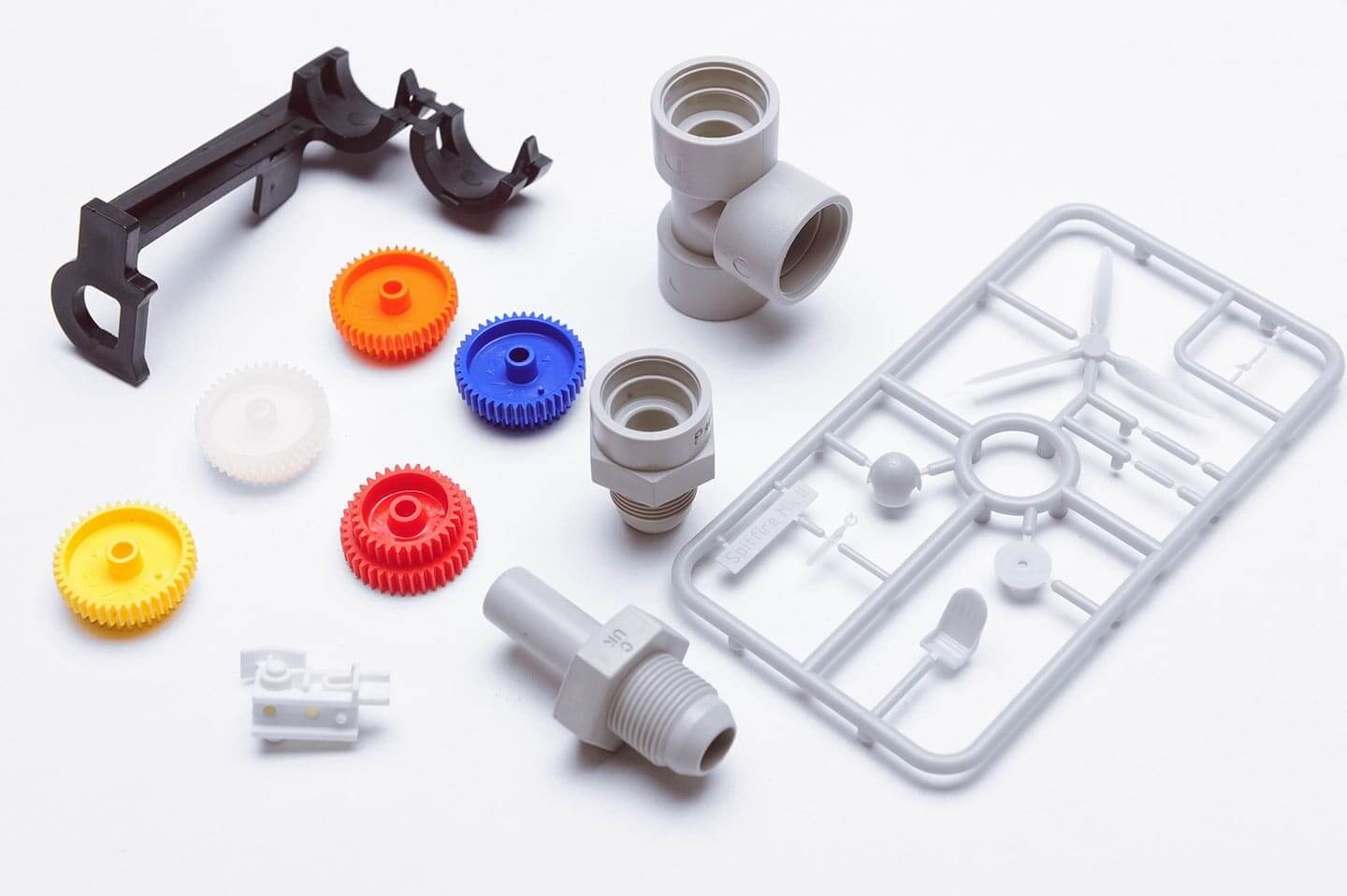
Polycarbonate (PC) has become a core material in modern manufacturing due to its excellent impact resistance, optical transparency, and thermal stability, and is widely used in many fields such as automotive headlights and consumer electronics. Its widespread application imposes strict requirements on process control to ensure product safety, performance reliability, and long-term durability. For a plastic injection molding factory, overcoming internal stress problems is not only a necessary requirement for quality, but also a key factor in maintaining competitiveness in the global market. The production of PC injection molded parts involves complex interactions between material properties, mold design, and process parameters. Small fluctuations in temperature, pressure, or cooling rate can all lead to residual internal stress. These stresses can manifest as surface defects, warping deformation, and even structural failure. Without targeted solutions, quality fluctuations during the production process will be difficult to avoid.
1. Characteristics of PC
PC material has multiple excellent properties. Its flame retardancy can reach UL94V-0, V2, HB and other grades, with a glow wire temperature of ≥850℃. Under a thickness of 2mm, the light transmittance reaches 88-90%, and the high temperature resistance is outstanding. The Tg is about 150℃ (DSC) and the Vicat softening point (ISO 306) is about 145℃. The notch impact strength (IZOD ISO180A, 23℃, 3.2mm) is 60-90 kJ/m ², and the toughness and impact resistance are excellent.
Its molecular structure contains benzene rings and isopropyl groups, with poor flexibility and non-crystallinity, resulting in low warpage, low shrinkage, and dimensional stability. However, glass fiber does not have a significant effect on strength improvement, and is prone to swelling, poor flowability, and cracking. Containing carboxyl, hydroxyl, and ester groups, it has strong polarity and is prone to moisture absorption and hydrolysis. The moisture content during molding and processing needs to be controlled within 0.02%. And its structural characteristics become the inherent basis for internal stress generation.
2. Manifestations and Hazards of Internal Stress
- Poor Appearance: There are uneven color problems such as stress marks, ejector pin marks, rib marks, thickness difference marks, and bright marks on the back of the insert. Transparent products can also produce birefringence, causing blurry and ghosting of optical products and reducing their chemical resistance.
- Cracking and Breakage: The residual stress location is affected by external forces, chemicals, and other external factors, which can induce stress release and cracking. Cracks are mostly concentrated on the gate side (especially on electroplated parts), corners, screw holes, metal insert holes, weld lines, and other locations.
- Warpage and Deformation: At room temperature, the product will slowly release residual stress for a long time. While at high temperatures, it will release stress for a short period of time. In addition, due to differences in local strength of the product, warpage or deformation will occur at the residual stress area.
- Dimensional Changes: During product placement or post-processing, if the ambient temperature reaches a certain level, deformation caused by stress release can lead to changes in product dimensions, affecting assembly and usage accuracy.
3. Mechanism of Internal Stress Generation
Internal stress is an inherent stress generated during the plastic melting process due to factors such as the orientation of polymer chains and cooling shrinkage. Essentially, it results from unbalanced conformation of polymer chains during processing. This unbalanced conformation cannot be immediately restored to an equilibrium conformation suitable for environmental conditions during cooling and solidification. Essentially, it is a reversible high elastic deformation that is frozen and stored in plastic products in the form of potential energy.
Under proper conditions, the forced unstable conformations will transform into a free, stable conformation, and potential energy may be converted into kinetic energy for release. When the forces and entanglement forces between polymer chains cannot withstand this kinetic energy, the internal stress balance is disrupted, and plastic products will experience stress cracking, warping deformation, and other phenomena. External factors such as high temperature and organic solvents will greatly exacerbate this degree of damage.
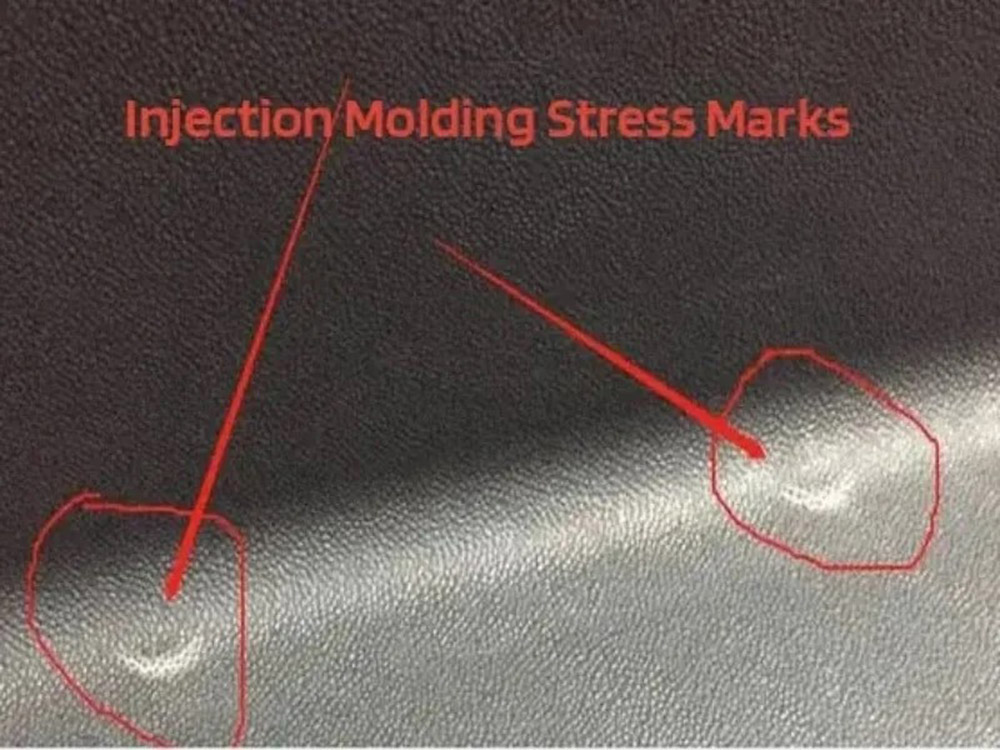
4. Classification of Internal Stress
- Orientation Stress: When plastic melt is filled into the mold, it is subjected to shear, causing the large molecular chains to stretch, deform, and orient along the flow direction. During cooling, some large molecules are frozen before they can recover, resulting in orientation stress, mainly concentrated on the gate and the surface of the product. Thin walled products show more severe behavior.
- Volume Temperature Stress: During injection molding, there is a large temperature difference between the melt and the mold. The melt near the mold wall cools quickly, while the core layer cools slowly. A solidified shell layer forms on the surface of the product, which hinders the free shrinkage of the inner layer. This generates tensile stress internally and compressive pressure externally. This stress is caused by uneven shrinkage and is evident in products with large differences in structural thickness.
- Demoulding Stress: Stress directly related to the deformation of the product during demoulding, often caused by improper design of the demoulding mechanism, excessive demoulding resistance, and other factors.
- Crystalline Internal Stress: Stress related to the crystalline structure. Pure PC is an amorphous material, while PBT/PC material is a micro-crystalline material. Internal stress is generated at the interface between the crystalline and amorphous regions of crystalline polymers, and inconsistent shrinkage caused by different crystallinity can also form such stress.
5. Detection of Internal Stress in PC Injection Molded Parts
- Polarized Light Inspection Method: Suitable for internal stress testing of transparent materials. By detecting the distribution of rainbow patterns and analyzing the strength of internal stress based on the number of colored light bands, the dark area is the area with high stress.
- Solvent Soaking Method: Suitable for non-transparent materials, different solvent ratios are prepared for different materials according to product quality requirements. Usually, PC products are soaked in glacial acetic acid solvent for 3-5 minutes, and after cleaning, the cracking situation is observed to determine the stress level. The principle is that solvent molecules penetrate between resin macromolecules, reducing intermolecular forces. The intermolecular forces are already weak in areas with high internal stress, and will further weaken and cause cracking after immersion in the solvent. In areas with low internal stress, cracking will not occur in a short period of time. Theoretically, it is not recommended to use carbon tetrachloride for testing.
- Temperature Shock Method (High-Low Temperature Test): The product is repeatedly subjected to cold and heat, and the internal stress is evaluated based on the length of time the crack appears. This method requires simple equipment, but the detection time is relatively long.
6. Material Factors
- Molecular Structural Characteristics: The greater the rigidity of the molecular chain, the higher the melt viscosity, the poorer the mobility of the polymer molecular chain. This results in poorer recovery of reversible too high elastic deformation, which is prone to residual internal stress. PC molecular chains contain benzene rings, and the internal stress is relatively high. The greater the polarity of the molecular chain, the stronger the intermolecular attraction, the greater the difficulty of intermolecular movement, the reduced degree of reversible elastic deformation recovery, and the increased residual internal stress. The larger the volume of the substituent group on the side of the macromolecule, the more it will hinder the free movement of the macromolecular chain, resulting in an increase in residual internal stress. The order of internal stress in common amorphous engineering plastics is: PPO>PES>PC>PC/ABS>ABS.
- Selecting High Molecular Weight Grades: The larger the molecular weight of the polymer, the better the intermolecular forces and entanglement between the polymer chains, and the stronger the stress cracking resistance of the product, such as Makrolon® The stress cracking resistance of PC is ranked as follows: M.3207>M.ET3117>M.2805>M.2605>M.2405>M.2205.
- Alloy Material Modification: By blending resin that is prone to stress cracking with suitable resin, internal stress can be reduced. For example, by mixing an appropriate amount of ABS into PC, ABS is dispersed in the continuous phase of PC in the form of approximately spherical particles. This can disperse and relieve internal stress along the spherical surface, prevent crack propagation, and especially reduce internal stress at low temperatures.
- Enhanced Modification: PC is reinforced and modified with reinforcing fibers, which can entangle large molecular chains and improve the stress cracking resistance of the product. For example, the stress cracking resistance of PC with 30% GF is 6 times higher than that of pure PC.
7. Chemical Factors
- Chemical Resistance Characteristics of PC: PC is stable to general water, alcohols, oils, salts, and weak acids. However it may exhibit whitening, swelling, dissolution, and other phenomena in alkaline substances, aromatic carbohydrates, halogenated carbohydrates, and other media. Due to the presence of carbonate ester bonds, prolonged immersion in hot water above 65℃ can cause ester bond hydrolysis and cracking, leading to a gradual decrease in performance. The structure containing benzene rings makes it highly rigid and prone to stress cracking. Therefore, for products with high requirements for chemical resistance and stress, high molecular weight grades should be selected.
- Solvent Cracking Phenomenon: Under the action of chemicals, even if the force applied to PC products is less than the allowable stress, micro-cracks or crazing may occur, that is, solvent cracking. The minimum stress at which solvent cracking occurs is the critical stress. PC can be used in chemicals with a critical stress higher than 13.7MPa. But special attention should be paid when using chemicals with a critical stress lower than 13.7MPa. Before assembly and use, the solvents that the product will come into contact with should be considered in advance.
- Factors Affecting Chemical Resistance: The chemical resistance of PC is determined by multiple factors such as concentration, contact time, temperature, and internal stress of the product. The main attack methods of chemicals on PC are stress cracking, swelling, and performance degradation. Different chemicals have different degrees of applicability to PC at different temperatures, and need to be confirmed by operating condition tests before actual use.
8. Key Points in PC Injection Molded Product Design
(1) Reasonable wall thickness design, striving to maintain consistency and avoid material accumulation;
(2) The corners and edges are designed with curved surfaces to eliminate sharp corners and reduce stress concentration;
(3) The size and position of the reinforcing ribs should be designed appropriately to avoid excessive reinforcement that may cause local shrinkage differences;
(4) Avoid designing large flat surfaces to reduce stress issues during the molding process;
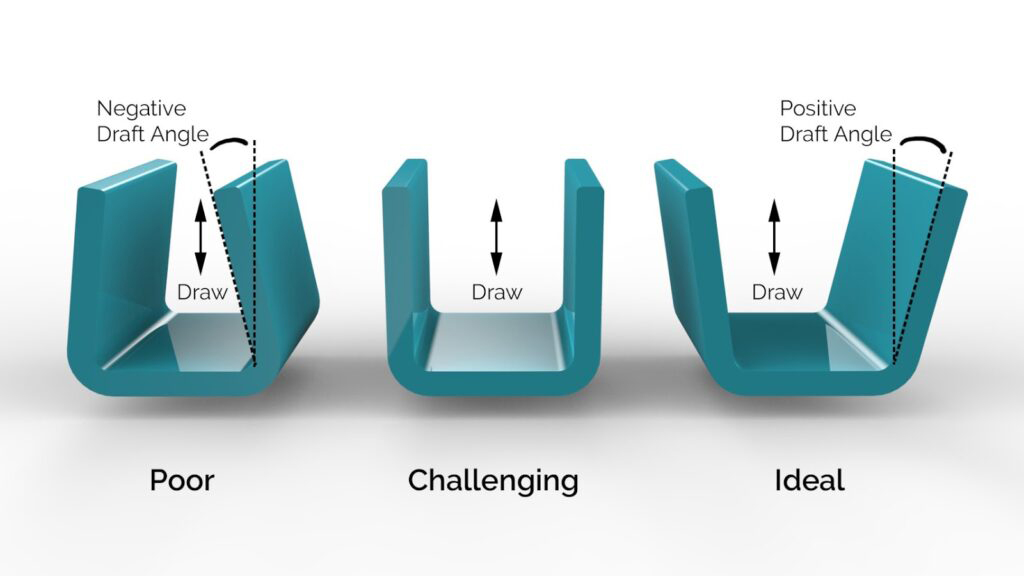
(5) Set sufficient draft angle to reduce demolding resistance;
(6) Ensure that the stress direction of plastic and metal parts is parallel;
(7) Reasonably plan the gate position of the product to reduce the orientation stress during mold filling;
(8) Consider the location of the weld lines in advance to avoid stress concentration;
(9) By combining material characteristics and molding processes, predict and avoid warpage and deformation issues in advance.
9. Key Points in PC Injection Mold Design
- Runner System: Optimized according to the design standards of high-quality product runner systems to ensure smooth filling and reduce shear stress.
- Cooling System: The cooling channel layout is uniform, ensuring that all parts of the product are cooled evenly and efficiently. The temperature difference between each point of the mold core is controlled within 5 ℃, reducing internal stress. For high demand products, a 3D printed conformal water transport device can be used.
- Ejection System: Improper design of ejection mechanism can lead to uneven demolding force, or the formation of vacuum on the surface of the mold cavity during the demolding process can increase demolding force, causing forced high elastic deformation and internal stress in the product, which can lead to cracking in severe cases. Improving the top out stress requires meeting the following requirements: using a multi bar structure to balance the top out force. Appropriately increase the demolding slope. The ejector pin is designed at the position with the highest demolding resistance. Use a sufficiently large high hardness ejector pin or angled ejector pin. The top pin is designed with a D-shaped positioning structure to prevent rotation. The end face of the top needle is textured or anti slip with a structure. Set up a vacuum exhaust structure to eliminate demolding vacuum resistance.
10. Key Points in Injection Molding Process
Injection molded products inevitably have internal stress, but reasonable processes can reduce it to the required quality standards. The core principles are: reduce the orientation of polymer molecules to reduce orientation stress, ensuring uniform cooling of polymers to reduce cooling internal stress, and optimizing demolding related designs to reduce demolding internal stress.
- Melt Temperature: A higher barrel temperature results in uniform plasticization, moderate viscosity, and increased flowability of the melt. During mold filling, the molecular orientation effect is small and the orientation stress is lower. At low temperatures, the viscosity of the melt is high, the orientation of the filling molecules is multiple, and the residual internal stress is large.
- Mold Temperature: If the mold temperature is too low, it will accelerate cooling, cause uneven cooling, increase internal stress during cooling. Additionally, the viscosity of the melt will rapidly increase after entering the mold cavity, leading to increased orientation stress during mold filling. The higher the mold temperature, the more favorable it is for grain stacking to be tight, reducing internal defects in the crystal and lowering internal stress. But it will prolong the cooling time and reduce production efficiency. The recommended mold temperature for PC materials is 90-135℃, PC/ABS 75-120℃, and HTPC130-160℃.
- Filling Process: Increasing the injection pressure will increase the orientation stress and crystallization stress, while increasing the sealing pressure requires extending the cooling time for smooth demolding. Increasing the injection speed of thin-walled products can reduce orientation stress and crystallization stress. Ultra high speed filling can complete mold filling within the resin solidification time, improving the warpage of the gate area. Thick walled and flame-retardant products reduce injection molding speed, which can reduce shear effects and orientation stress.
- Pressure Holding Process: The holding pressure, melt temperature, and mold temperature jointly determine the cooling shrinkage of the product. The ideal state is that the compressive stress and tensile stress cancel each other out, and there is no stress residue. Low holding pressure causes compressive stress on the surface and tensile stress inside the product. If the pressure is too high, the surface will be subjected to tensile stress and the interior will be subjected to compressive stress. Surface tensile stress is prone to stress cracking, especially when in contact with chemicals. Therefore, it is necessary to maintain a slight compressive stress on the surface of the product.
- Decompression: For thin-walled products with high requirements, it is necessary to optimize the filling process curve to reduce the mold cavity pressure. Fully utilize the high-speed decompression function of the injection molding machine (exclusive for motor storage) to instantly release pressure, and reduce residual stress on the gate side.
- Cooling Time: When filling pressure, holding pressure, and melt temperature increase, or when the gate size is large, the sealing pressure will increase. It is necessary to extend the cooling time to reduce the residual stress in the mold cavity to extremely low or close to 0, in order to avoid stress, scratches, or fractures caused by forced demolding. However, prolonged cooling time can reduce production efficiency and may also create negative pressure inside the product, resulting in tensile stress, which requires precise control.
- Drying Conditions: For products with high stress requirements, the moisture content of PC materials should be controlled within 0.02%, and the electroplating grade grade should be controlled within 0.015%.
- Clamping Force: A lower locking force can reduce filling pressure, minimize product warping, facilitate air and gas discharge, and reduce defects such as short shots. The injection compression function of high-end injection molding machines (such as Sumitomo, Fanuc and other fully electric motors, KM, Engel and other direct pressure locking machines) can fully exhaust and reduce product stress.
11. Requirements for Injection System of Injection Molding Machine
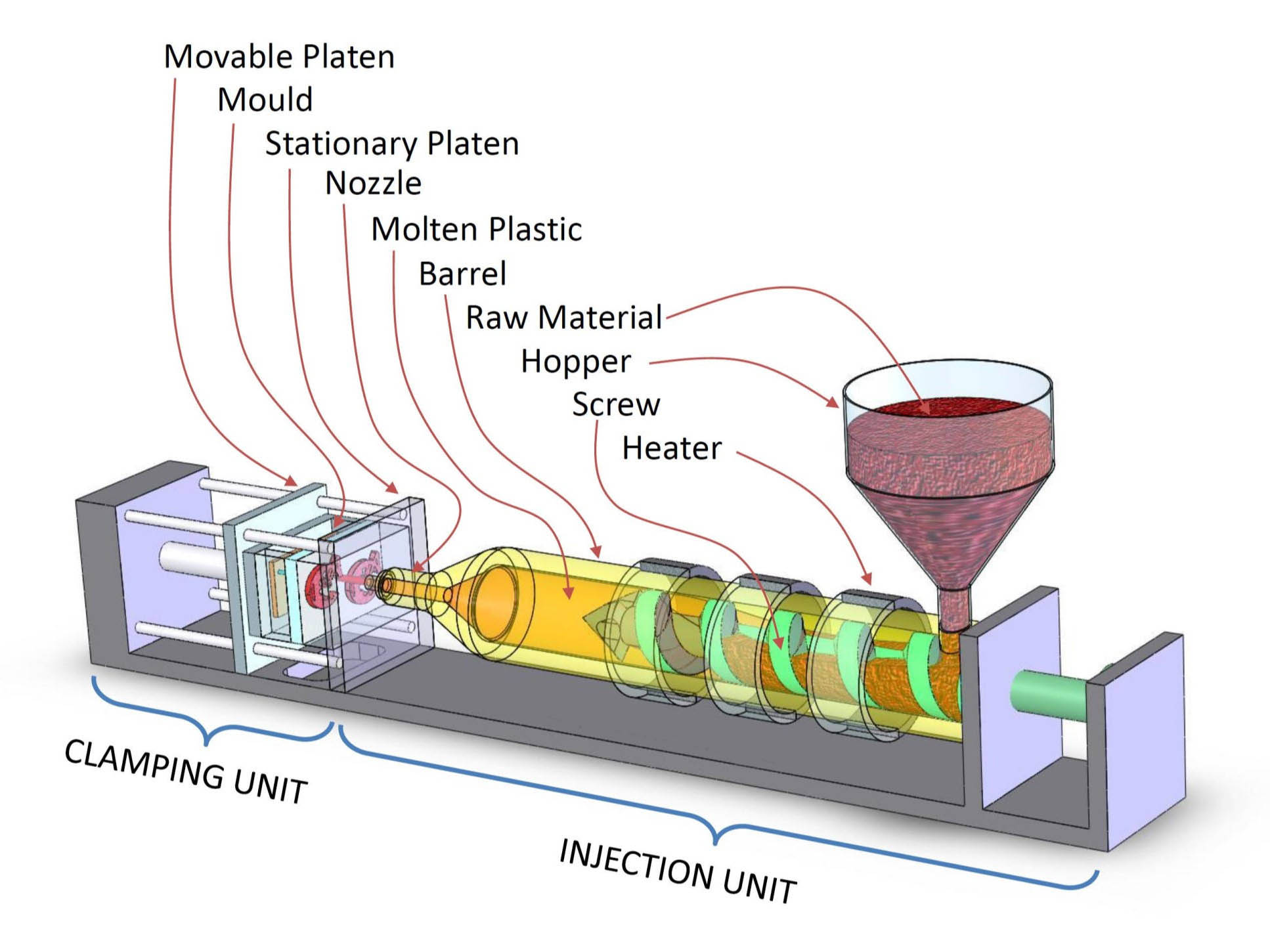
- Nozzle Structure: A reasonable nozzle structure can reduce the injection pressure and holding pressure, reduce shear, lower the internal stress and material degradation value of the product. And the nozzle aperture should not be less than 80% of the top size of the flow channel. If an extended nozzle is required due to the mold structure, it is necessary to ensure that the nozzle can protrude deeply into the mold, the heating ring completely surrounds the nozzle, the temperature sensing line is placed at the front end of the nozzle, and there are no dead corners in the connection position.
- Screw Combination: Optimizing the screw combination can increase the melt temperature without degrading the material, and achieve rapid low-pressure molding with appropriate mold temperature to reduce molecular orientation. In actual production, there is a positive correlation between melt temperature and material degradation. It is necessary to optimize the plasticizing system to improve melt flowability while controlling material degradation within the range that meets product impact performance.
- Short Size Control: The gross weight of injection molding for PC products should be controlled between 25% and 75% of the machine’s injection volume. Flame retardant PC materials and low-temperature PC materials are used for electronic product casings with strict impact requirements. The injection gross weight should be controlled at 10-30% of the machine injection volume, and the melt residence time should be less than 5 minutes.
12. Post Treatment for Eliminating Internal Stress (Annealing)
Using heat treatment (annealing) to eliminate residual internal stress in the product, by raising the temperature to make the molecular chains of the plastic part movable, the frozen molecular chains are relaxed and disordered after heating, thereby releasing residual stress.
- Annealing Temperature: 120-130℃;
- Annealing Time: Calculated based on the wall thickness of the product, it takes 10 minutes for every millimeter of wall thickness;
- Practical Case: The car lamp cover (material M.2407) is annealed at 120℃ for 60 minutes, and a 5-gallon water bucket is annealed in a 130℃ oven for 30 minutes, both of which can effectively eliminate internal stress.
Whether you’re looking to optimize PC injection molding processes or eliminate internal stress issues for parts, we’re here to help. Reach out to our technical team at sales@kingstarmold.com or leave online inquiry today! We’ll deliver a customized solution that fits your unique production requirements. Let’s work together to drive stable manufacturing.