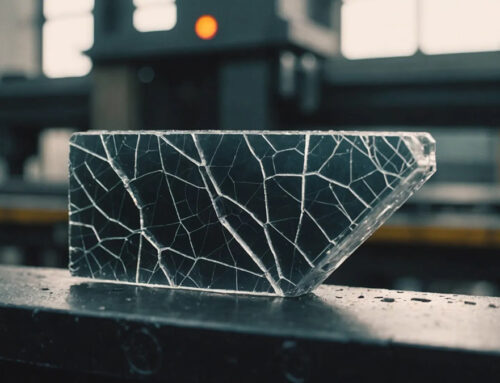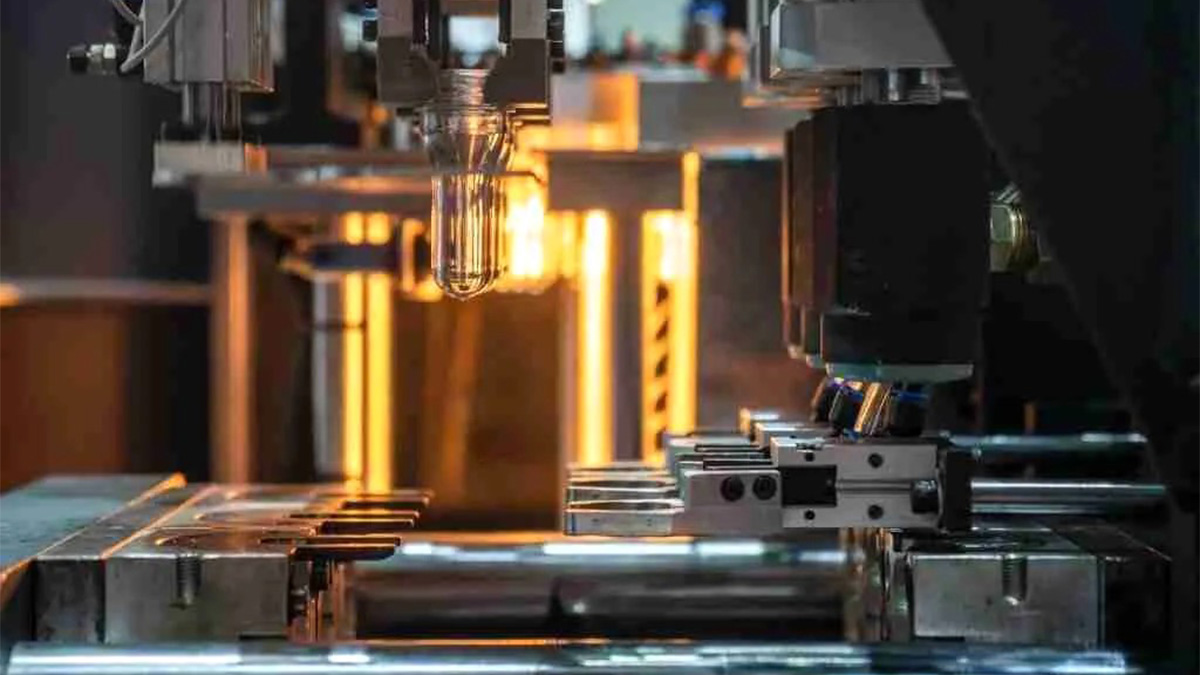
High-gloss seamless injection molding technology is a new type of plastic part manufacturing technology developed in recent years, also known as high-temperature rapid thermal cycle injection molding technology. This technology can effectively replicate any shape of the mold surface, ensuring that the surface of the product is free of weld lines, flow marks, streamline lines, and sink marks. Surface highlights achieve a mirror effect. Improve the strength and surface hardness of plastic parts; Improve injection flowability, product quality, and strength through thin-wall injection molding; Reduce the injection molding cycle of thick wall molding by more than 60%; There is no severe environmental pollution in the subsequent spraying process, which can reduce the process flow and save energy and materials.
The core of high-gloss seamless injection molding lies in the temperature control of “rapid cooling and rapid heating”, and the specific process is divided into three key stages:
- Heating Stage: Before and during the mold closing process, the high-temperature steam (or high-temperature water) generated by the steam furnace or the electric heating device built into the mold rapidly raises the mold temperature to exceed the viscous flow temperature of resin thermal deformation (usually around 150 ℃). This ensures excellent flowability of the rubber material during mold filling.
- Injection Stage: After the mold temperature reaches the set value, inject molten resin. Due to the high temperature maintained by the mold, the material temperature at the front end of the material is always in a viscous flow state, effectively avoiding surface defects such as weld lines and flow marks, and forming high-quality molded parts.
- Cooling Stage: After injection completion, quickly switch to cooling water to lower the mold temperature below the resin’s thermal deformation temperature (usually around 40℃) and accelerate the resin curing speed. After cooling, use compressed air to remove residual moisture, complete one molding cycle before the next cycle.
2. Advantages of High-Gloss Seamless Injection Molding
- Double Improvement in Appearance and Performance: It can completely eliminate surface weld lines, flow marks, silver streaks, and sink marks. With a surface smoothness of at least mirror level 2, and can fully reproduce the surface state of the mold. Simultaneously improving the strength and surface hardness of plastic parts, solving the problem of floating fibers in fiber-reinforced products, and making product quality more perfect.
- Production Efficiency and Cost optimization: In thin-wall molding, high-temperature injection can improve injection flowability, reduce injection pressure, and avoid problems such as short shots and trapped gas. The injection molding cycle of thick wall molding can be shortened by 60%-70%, without the need for subsequent spraying processes, reducing the process flow, saving energy and materials, and lowering production costs (such as eliminating expensive secondary processing costs), while avoiding damage to the environment and operator health caused by spraying.
- Wide Applicability: Suitable for both large tablet products (such as monitor housings) and small-to-medium-sized precision parts. Compatible with various high-gloss plastic materials such as ABS+PMMA, PMMA, ABS+PC, ASA, etc., to meet the needs of products in different fields.

3. Key Implementation Considerations
3.1 Mold Design Requirements
- Material Selection: Select mold steel that is resistant to thermal fatigue and cold and hot shock, such as Swedish S136H (quenched to 52 HRC after rough machining), Japan’s NAK80 (with a hardness of 42 HRC and no need for quenching), Germany’s CPM40/GEST80, etc; Ordinary surface requirements can use Japanese NK80 (no quenching required).
- Water Channel & Heating Design: The diameter of the water channel is usually 5-6mm, with one side 5-6mm away from the product surface, evenly arranged parallel to the product surface (center to center distance 15mm). And the thermocouple is designed in the middle of the two water channels (depth 50-100mm). Circular products use circular water transportation, long strip products use parallel channels, and irregular products use 3D cooling channels. The heating methods are divided into steam (hot water) heating (suitable for large products, requiring diversion plates to reduce heat loss) and electric heating (suitable for small and medium-sized products, with high energy efficiency).
- Insulation & Safety Design: Install insulation plates on the fixed mold side. Reserve a 1mm gap between the mold core and the mold frame (adjusted based on the thermal expansion coefficient). Lock the mold core with a diagonal groove, and use dust resin or asbestos board for insulation at the front end. Priority should be given to using graphite materials for the moving parts of the guide sleeve, or to avoiding empty spaces at the front end of the guide column. The cooling channel connector is designed at the upper and lower or rear ends of the mold. It is prohibited to arrange water pipes on the operating side to avoid high temperature burns.
- Gate & Venting Design: Try to use a single gate (to reduce weld lines), and the gate size should match the product requirements (too small can lead to short shots, and too large can cause residual stress); Venting slots are evenly distributed with a spacing of 10mm and a depth of 0.15mm. The middle surface of the product also needs to be designed with a venting structure.
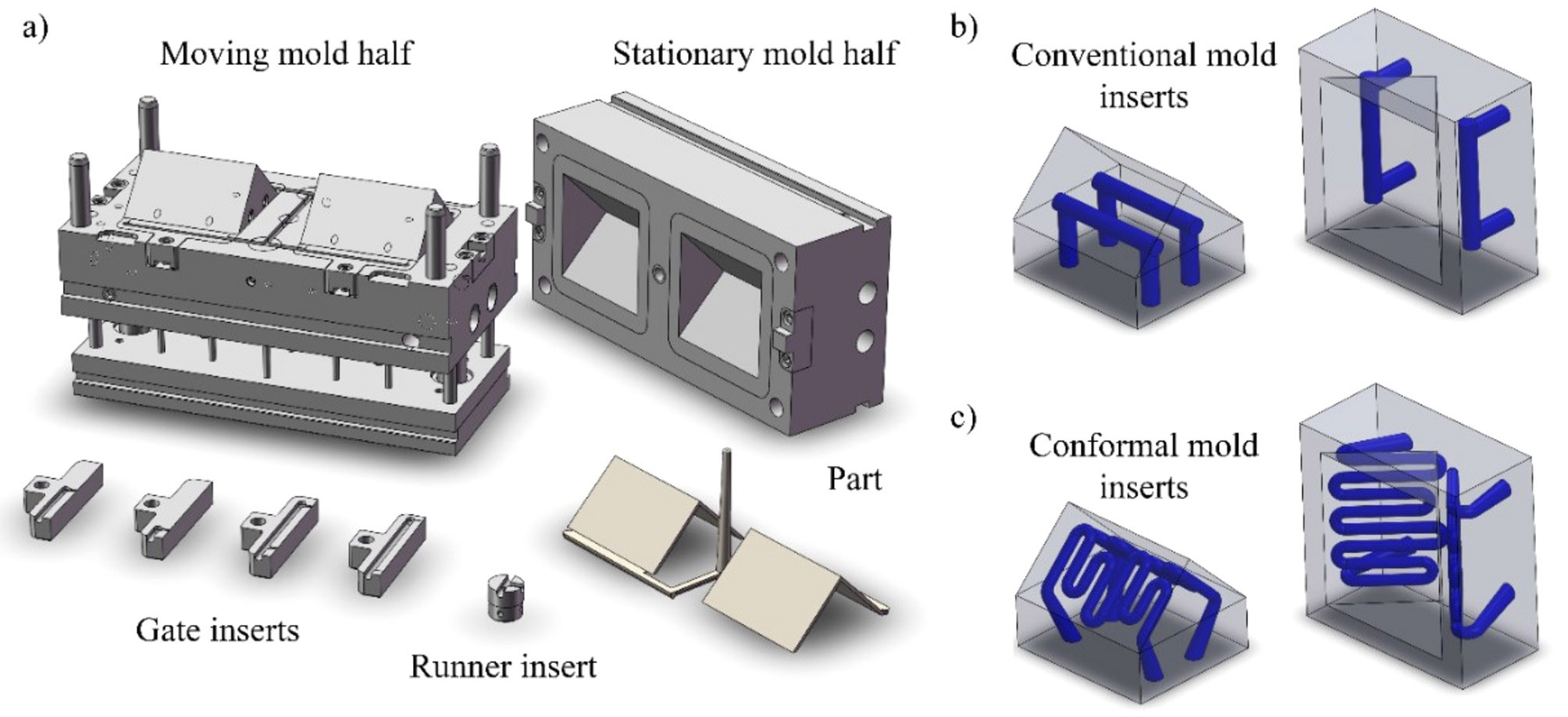
3.2 Equipment and Material Coordination
- Equipment Requirements: Special speed cooling, speed heating and temperature control equipment (such as steam thermal effect controller, multifunctional electric heating controller) should be equipped. The locking mechanism of the injection molding machine should have good rigidity (using large locking force models), high response sensitivity, strong stability, and the ability to provide real-time and fast feedback signals. At the same time, auxiliary equipment such as boilers and cooling devices need to be equipped.
- Material Selection: High-gloss plastic materials such as ABS+PC (with excellent impact resistance and glossiness, commonly used as housings) and ABS+PMMA (with good transparency and glossiness) are preferred. If weather resistance is required, ASA materials can be used to ensure that the material properties are compatible with the process.
Conclusion
At present, high-gloss seamless injection molding technology has become an important development direction in the injection molding industry, widely used in fields such as exterior components of household appliances (such as front panels, decorative sheets), OA products (such as printer covers), etc. With the continuous maturity of technology, its application scenarios are still expanding, from large industrial parts to small precision parts, from daily necessities to high-end equipment accessories, all of which can play an important role.
In today’s increasingly deeply rooted environmental protection concept, the high-gloss seamless injection molding technology eliminates the spraying process, reduces pollutant emissions, and conforms to the trend of green manufacturing. At the same time, its efficient and high-quality production characteristics can help enterprises enhance their product competitiveness and adapt to the market’s demand for personalized and high-end plastic products. In the future, high-gloss seamless injection molding technology will play a more important role in the manufacturing industry, driving the injection molding industry towards higher efficiency, environmental friendliness, and higher quality.
If you need to delve deeper into the field of high-gloss seamless injection molding, or are seeking a reliable custom injection mold maker, please feel free to contact KingStar at sales@kingstarmold.com. We will reply to you within 24 hours.