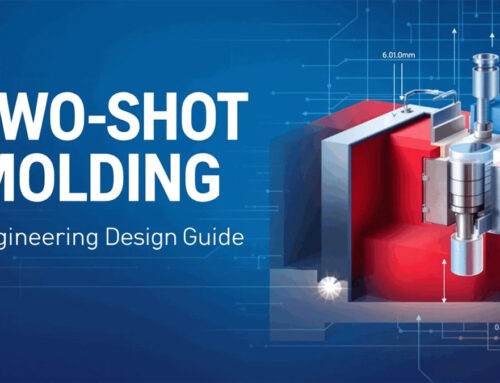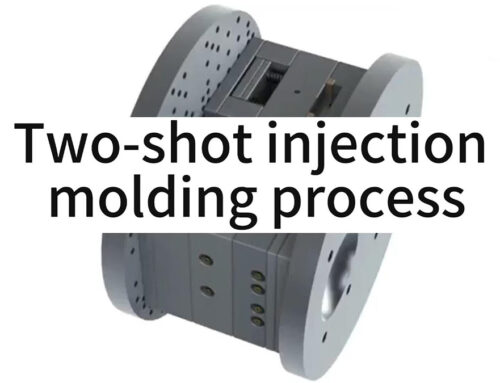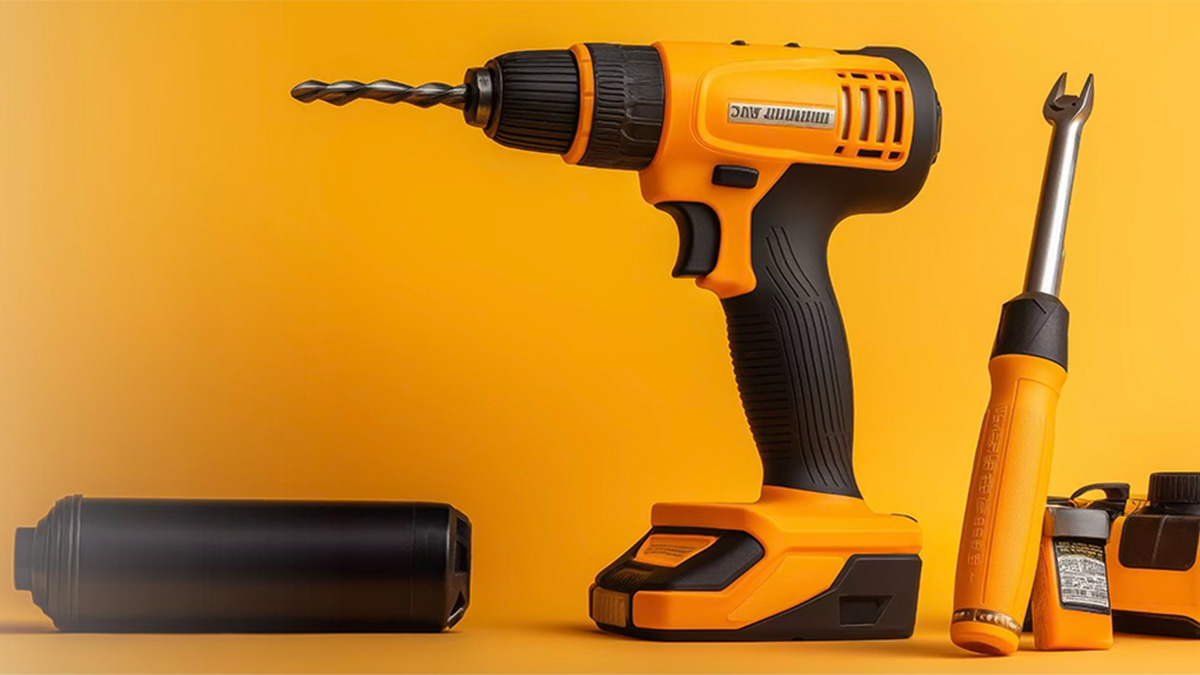
In the current pursuit of high precision, multifunctionality, and personalization in the manufacturing industry, two-shot injection molding technology has become the core driving force for product innovation. Whether for upgrading the appearance of daily necessities or optimizing the performance of automotive and electronic components, two-shot injection molding can achieve two colors/materials integration of a single component, balancing practicality and aesthetics.
1. What Is Two-Shot Injection Molding?
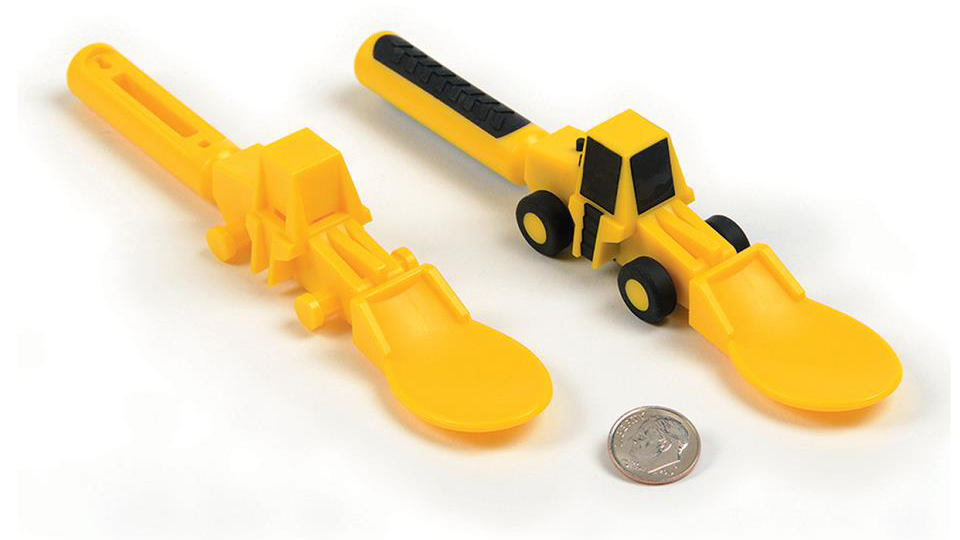
Two-shot injection molding is the process of injecting a component with two types of plastic. Based on the differences in equipment and technology, it can be divided into two types:
- Broad-Sense Two-Shot Injection Molding: Including overmolding, which is completed in two injection cycles using a regular injection molding machine. It has low equipment requirements but low production efficiency, and is only suitable for products with low requirements for soft and hard plastic bonding.
- Narrow-Sense Two-Shot Injection Molding: Using a two-shot injection molding machine (commonly a rotary type) to complete the injection molding of two different plastics on the same machine, with a wide range of applications, excellent product quality, and high production efficiency, is currently the mainstream development trend.
2. Requirements for Two-Shot Injection Molding
Two-shot injection molding needs to meet the dual requirements of material compatibility and equipment configuration, as follows:
1) Material Compatibility Conditions: Paired materials must meet two basic requirements: bonding compatibility and processing compatibility.
2) Equipment Configuration Requirements:
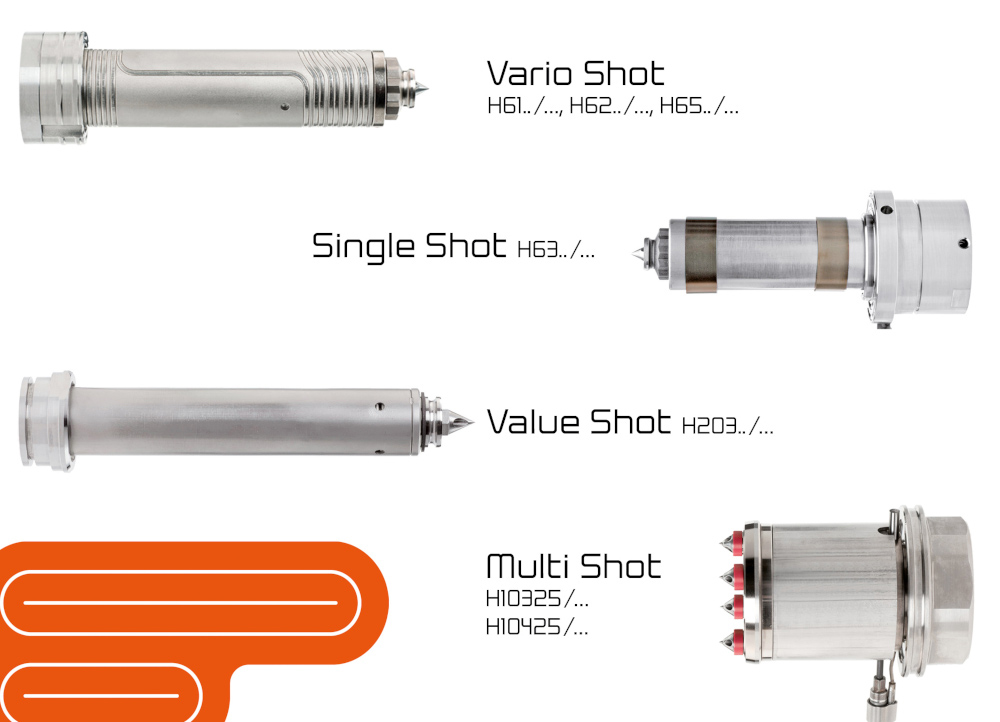
- Injection Unit: Covering parallel and co-directional, parallel counter-directional, horizontal and vertical L-shaped, Y-shaped and co-directional single cylinder injection structures;
- Mixing Nozzle: Specialized nozzle that supports special effects such as patterns, waves, gradients, flow marks, and interlayers;
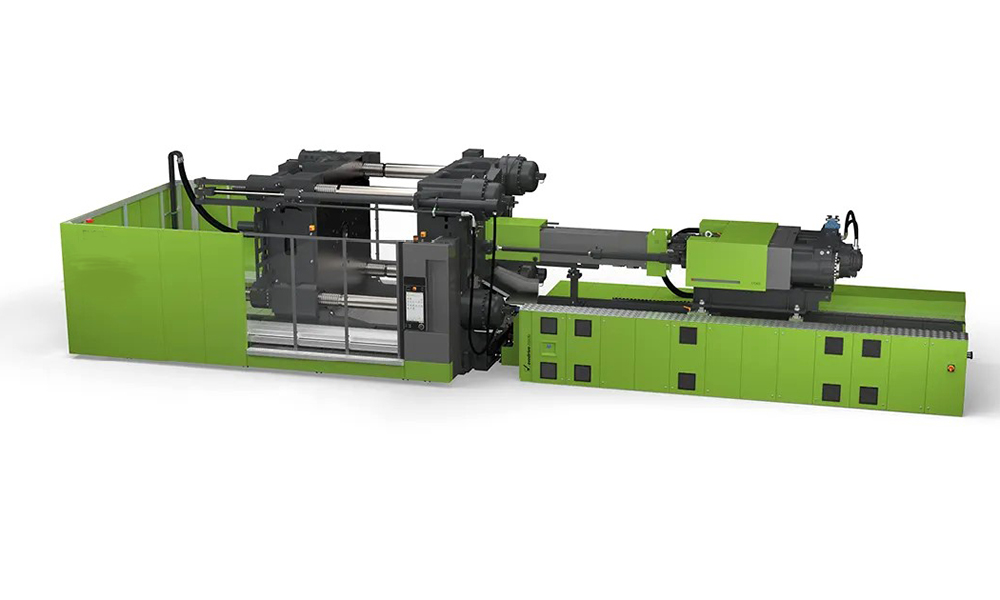
- Clamping Mechanism: Including standard type, vertical rotary table type, horizontal rotary table type, rotary shaft type, robot rotary type, etc;
- Feeding Structure: In addition to standard hydraulic motor drive, ESD (Electric Screw Drive) electric feeding structure can also be configured;
- Hydraulic Circuit Design: Equipped with ACC (Accumulator) pressure storage high-speed injection and closed-loop design.
3. Core Characteristics of Two-Shot Injection Molding
1) Strong Performance & Energy Efficiency: The system responds quickly, can adjust supply as needed, and has a high utilization rate of electricity; Paired with a billet retrieval system, further reducing power consumption.
2) Excellent Stability: Adopting pressure and flow dual closed-loop control, it can quickly recover or reach a new equilibrium state under input changes or external disturbances.
3) Fast Response: Transition process time is short (usually within 200ms), the rise rate is high, and the injection molding machine can reach 1500 revolutions per minute in less than 0.03 seconds.
4) High Precision: The servo motor combines permanent magnet technology and PLC technology for precise control, with an allowable deviation of only 0.001-0.01mm.
5) Cost Reduction & Efficiency Improvement: Supports simultaneous molding of two raw materials or colors, reducing process and labor costs; Parameter setting adopts digital operation, making adjustment simple and convenient.
4. Material Selection for Two-Shot Injection Molding
4.2 Selection Principles for Two-Shot Molds
- Wear Resistance: It is necessary to resist severe friction between the stock material and the surface of the mold cavity. The hardness of the material and the type, quantity, and morphology of carbides all affect the wear resistance.
- Resilience: It can withstand impact loads in harsh working environments, prevent brittle fracture, and depends on the carbon content, grain size, and microstructure of the material.
- Fatigue Fracture Resistance: It can resist various forms of fatigue fracture caused by cyclic stress, and is related to material strength, toughness, hardness, and inclusion content.
- High-Temperature Performance: It has high resistance to tempering stability, ensuring hardness and strength at working temperature, and avoiding early wear or plastic deformation.
- Thermal Fatigue Resistance: Adapt to the working state of repeated heating and cooling, prevent surface cracking and peeling of the mold cavity, and ensure dimensional accuracy.
- Corrosion Resistance: To deal with corrosive gases such as HCI and HF generated by plastic decomposition, avoid surface erosion of the mold cavity, and extend the service life of the mold.
5. Working Principle of Two-Shot Injection Molding
The core structure of a two-shot product mold is “two identical moving molds corresponding to two different fixed mold cavities”. And the cavity volume of the second-shot shell product is usually larger than that of the first-shot base product. The specific process is as follows:
1) First Injection: Inject the first material into the first-shot cavity to form the base product;
2) Mold Opening Rotation: After opening the mold, the moving mold rotates 180° via the injection molding machine’s rotary structure;
3) Second Injection: After mold closure, inject different colors or materials into the second-shot cavity to encapsulate the base product;
4) Ejection & Completion: After the second injection, keep warm and cool, open the mold and eject the finished product on the moving mold side.
Key Equipment Requirements: The injection molding machine needs to be equipped with two injection nozzles (injecting different materials/colors), and the moving mold fixing plate must have a rotary device that can rotate 180°; The first and second material injections can occur simultaneously to improve production efficiency. Click and read more: Difference Between Two-shot Injection Molding and Overmolding
6. Development & Selection of Multi-Color Injection Molding Machines
With the increasing complexity of product demand, three-color and four-color injection molding technologies are gradually emerging:
- Three-Color Machine: Divided into two stations (commonly known as “pseudo three-color”) and three stations (commonly known as “true three-color”). The core difference lies in the turntable control method, which depends on the product structure design;
- Four-Color Machine: It can also be divided into “two-station” and “multi-station” models.
Selection Suggestion: Control accuracy requirements and manufacturing costs of multi-station turntables are higher than those of two-station turntables. There is no need to blindly pursue multi station models, and the optimal solution should be selected based on the actual structure of the product.
7. Structural Types of Two-Shot Injection Molds
- Rotating Core Type Two-Shot Structure: The first part of the product is molded, then the mold opens and rotate. It serves as an insert transferred into a large cavity, where the second plastic is injected; Simultaneously injecting the first plastic into the small cavity to prepare for the next cycle, suitable for products such as automotive adjustment wheels, toothbrushes, disposable razors, etc.
- Retractable Core Type Two-Shot Structure: Use hydraulic devices to control the up and down of the movable core. The first material is injected for solidification, then the second material is injected into the lowered core. And finally the raised core is pressed and solidified into shape.
- Rotating Ejector Plate Type Two-Shot Structure: After injection into the first cavity, the mold opens, and the shear runner is separated from the core layer component, leaving the core layer component in the dynamic mold detachment plate; Move the mold backwards to push out the pouring material, and then push out the detachment plate through the connecting rod and shaft to complete the process connection.
- Core Sliding Two-Shot Injection Structure: A transmission device drives the sliding switch between the primary and secondary cores. Inject the first plastic first, and then switch the core to inject the second plastic. It is suitable for larger plastic parts.
- Seesaw Structure: After the first injection molding, the seesaw rotates under the action of the push rod by the breaking needle, ejecting the seesaw and opening the hole; During the second mold closing, the second material is injected into the enclosed area through the broken hole, achieving two-shot integration. Click and read more: TPU Overmolding: From Process Parameters to Problem Solving
The charm of two-shot injection molding technology lies in its ability to break the limitations of single materials and colors. KingStar, the leading injection molding company in China, always relies on professional technology to deeply apply this technology to various scenarios, providing customers with one-stop manufacturing services.
If you want to purchase two-color / multi-color plastic parts, get technical consultation or cooperation intentions related to two-shot injection molding, please feel free to write to us at sales@kingstarmold.com or leave online message at any time. Let us assist you to create high-quality products with top-notch technology!