

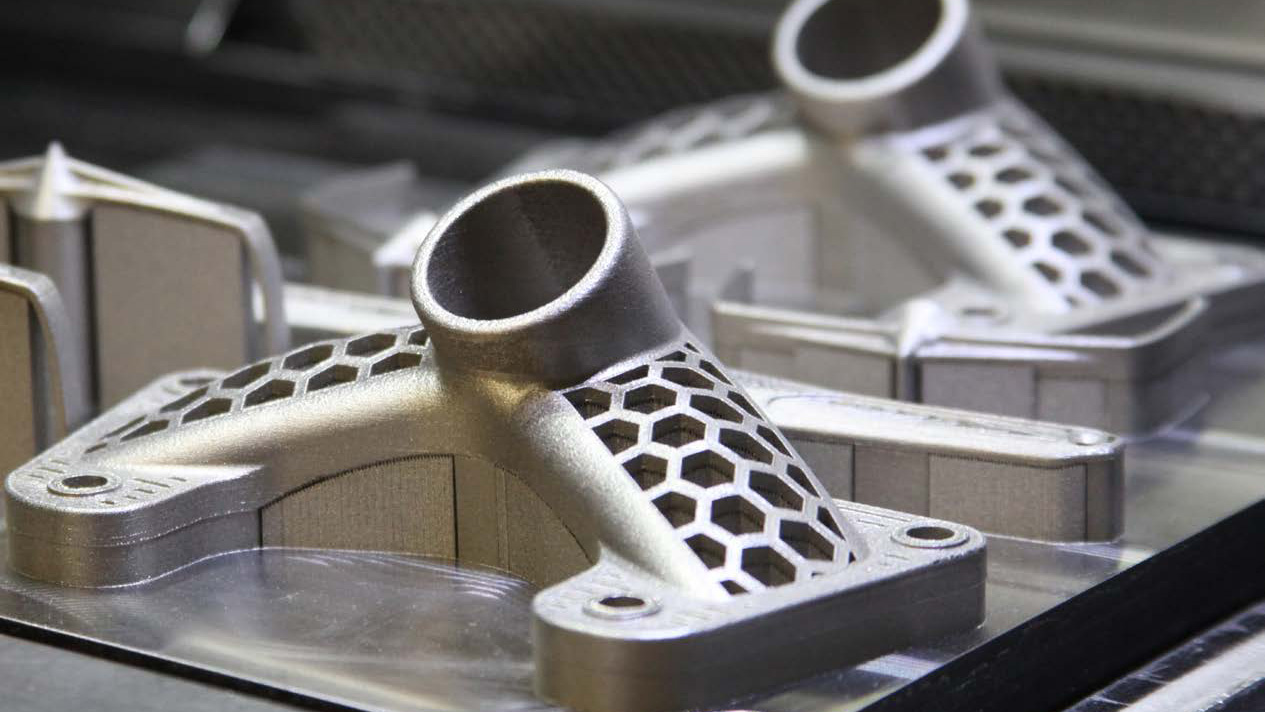
Design Guide for DMLS Metal 3D Printing
Direct Metal Laser Sintering (DMLS) is a powerful additive manufacturing technology that uses a high-powered laser to fuse fine metal powders into solid metal parts, layer by layer. This 3D printing process allows for the creation of complex geometries and high-performance metal components that are often difficult or […]
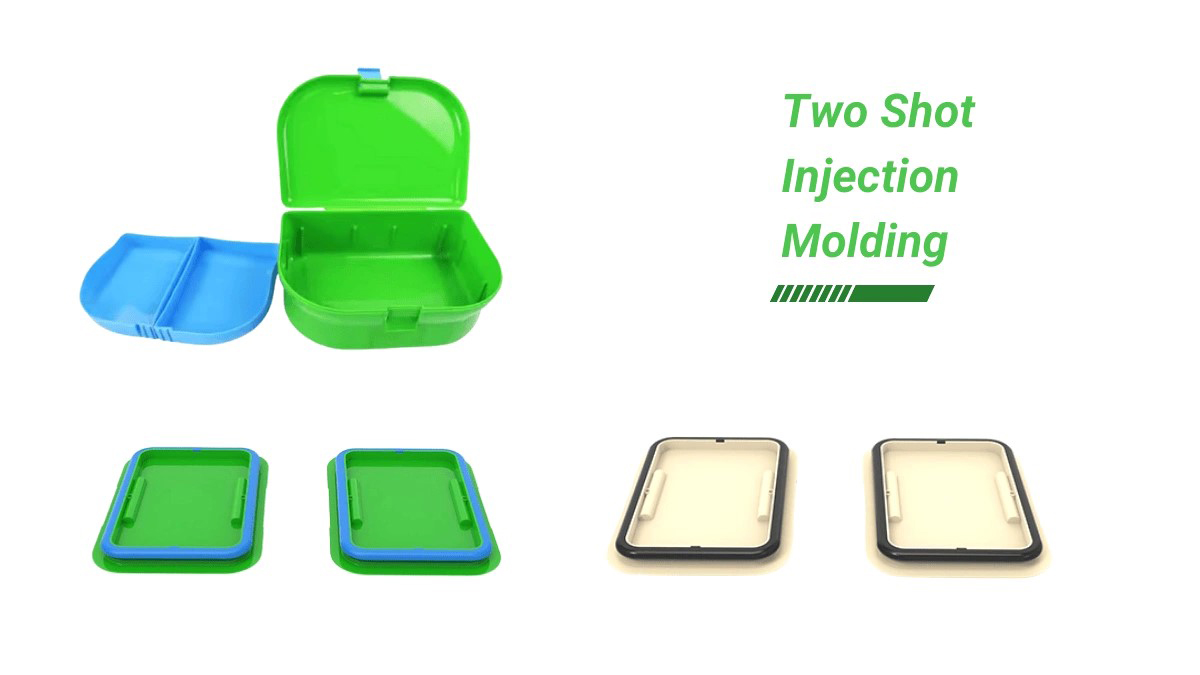
In modern manufacturing, with the increasing demand for product appearance, texture, and functional diversity in the consumer market, two-shot injection molding technology has gradually become one of the core [...]
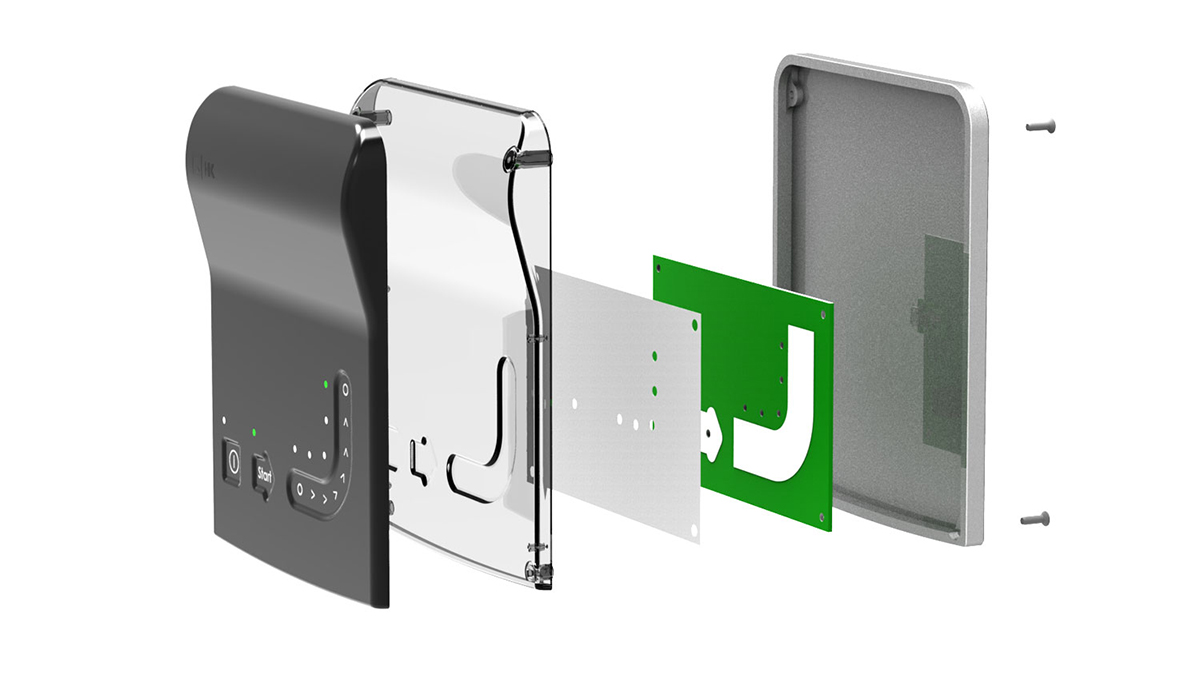
In the injection molding industry now, everyone is leaning towards high-quality, personalized products, and environmentally friendly production. However, traditional decoration techniques such as spray painting and electroplating are really [...]
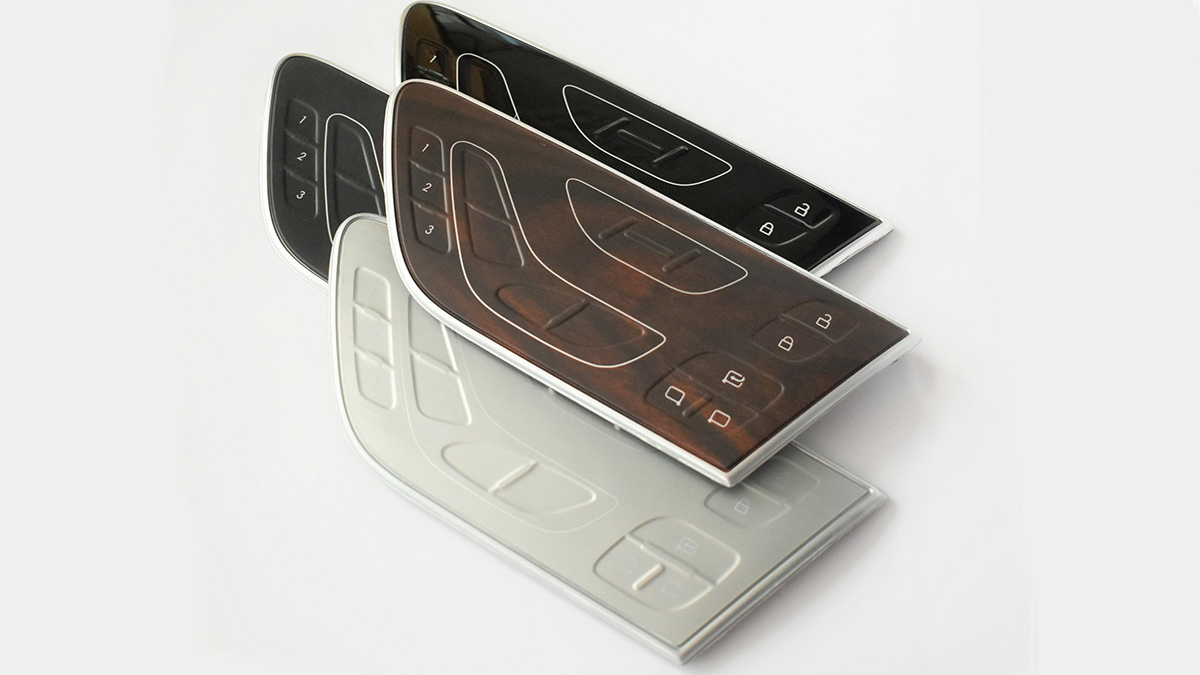
The IMD (In-Mold Decoration) molding process, with its significant advantages in product appearance decoration and functional integration, is widely applied in the production of various precision products. However, the [...]
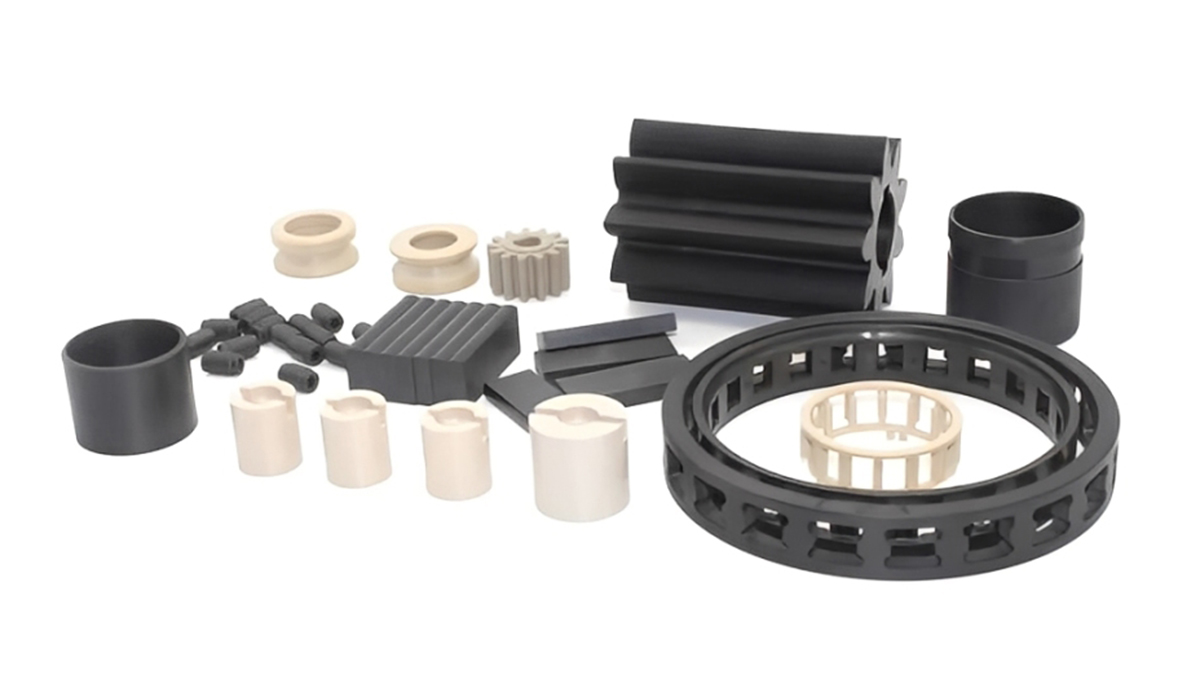
1. Introduction With the development of society and the improvement of living standards, people’s taste for life has also been continuously elevated. Plastic products, being common and indispensable [...]

What is the Difference Between PLA/PHA VS PBS/PBAT? Can KingStar Mold produce parts and complete products using injection molding technology and PLA/PHA/PBS/PBAT raw materials? These are questions that customers [...]

1. What is IMD Technology? As a popular surface decoration technology internationally, IMD(In-Mold Decoration) is mainly applied to the surface decoration and various functional panels of home appliances, [...]
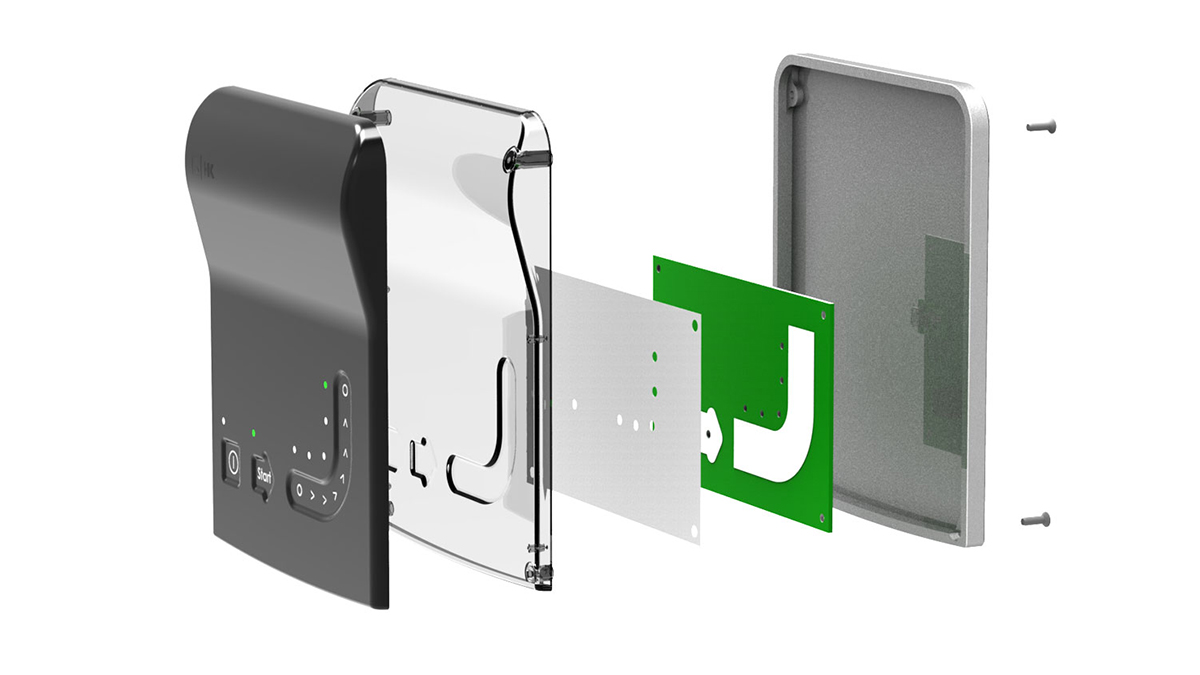
In today’s manufacturing environment that pursues exquisite product appearance, durability, and environmental protection, In-Mold Decoration technology has become a key innovation in the field of surface treatment. To help [...]
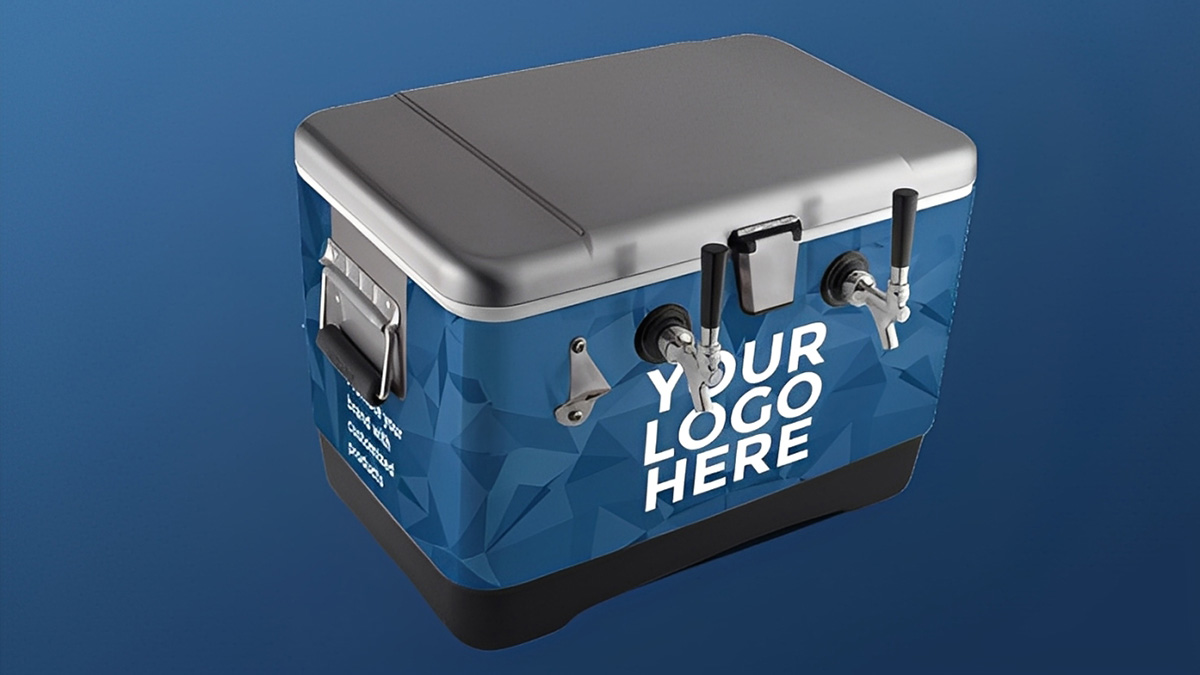
When considering customizing branded hard coolers, have you ever been troubled by these questions: Is the mold cost expensive? Is the MOQ (minimum order quantity) intimidating? Is the production+delivery [...]
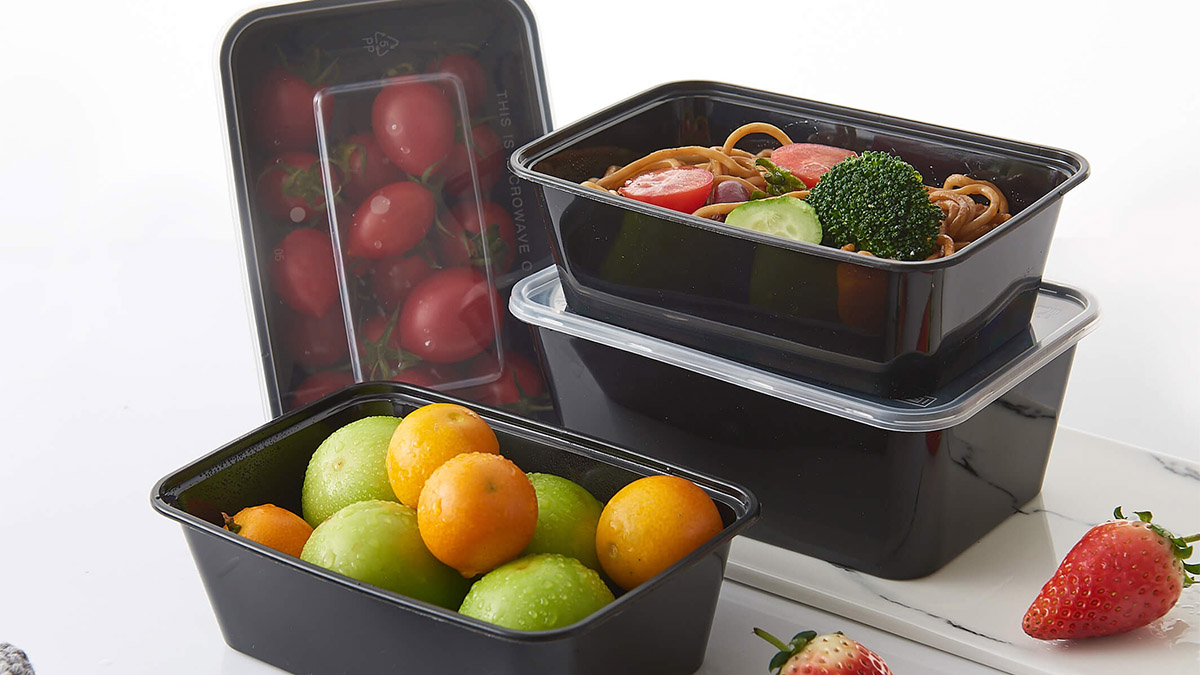
In the growth process of injection molding engineers and mold designers, injection molding is a necessary subject to learn. However, the teaching of internship courses in schools is different [...]
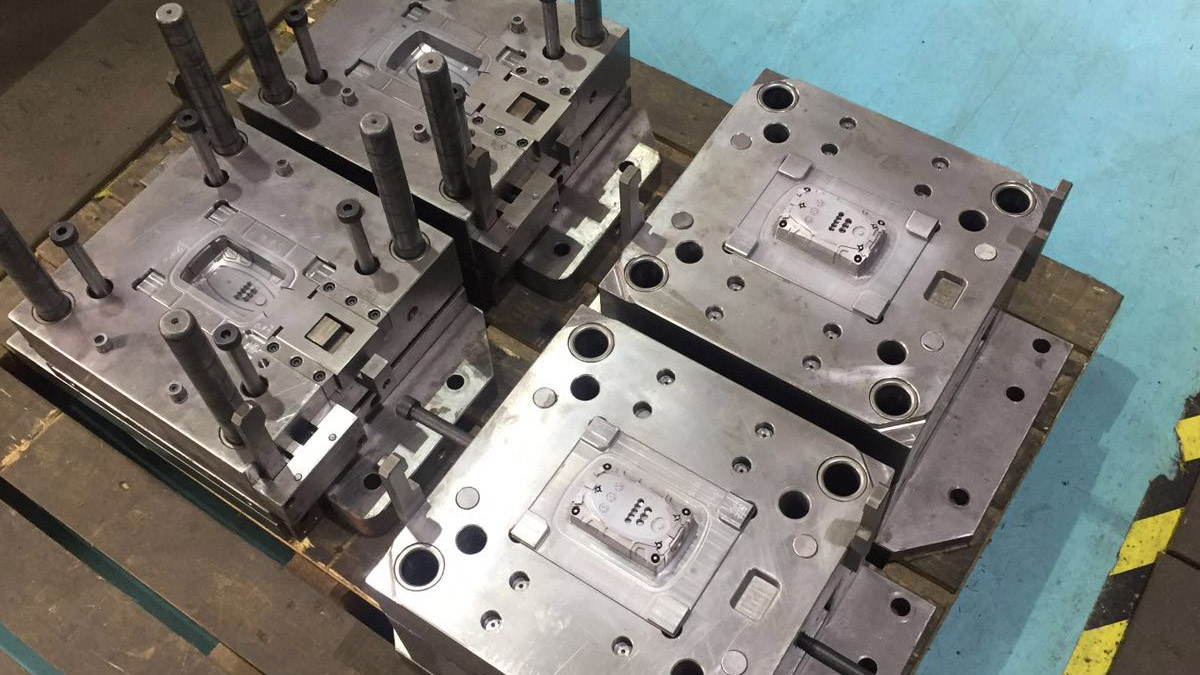
Most plastic products with colorful patterns are manufactured with two shot injection molding technique. Briefly, it’s about manufacturing one product with two types of plastic. But choosing the perfect [...]
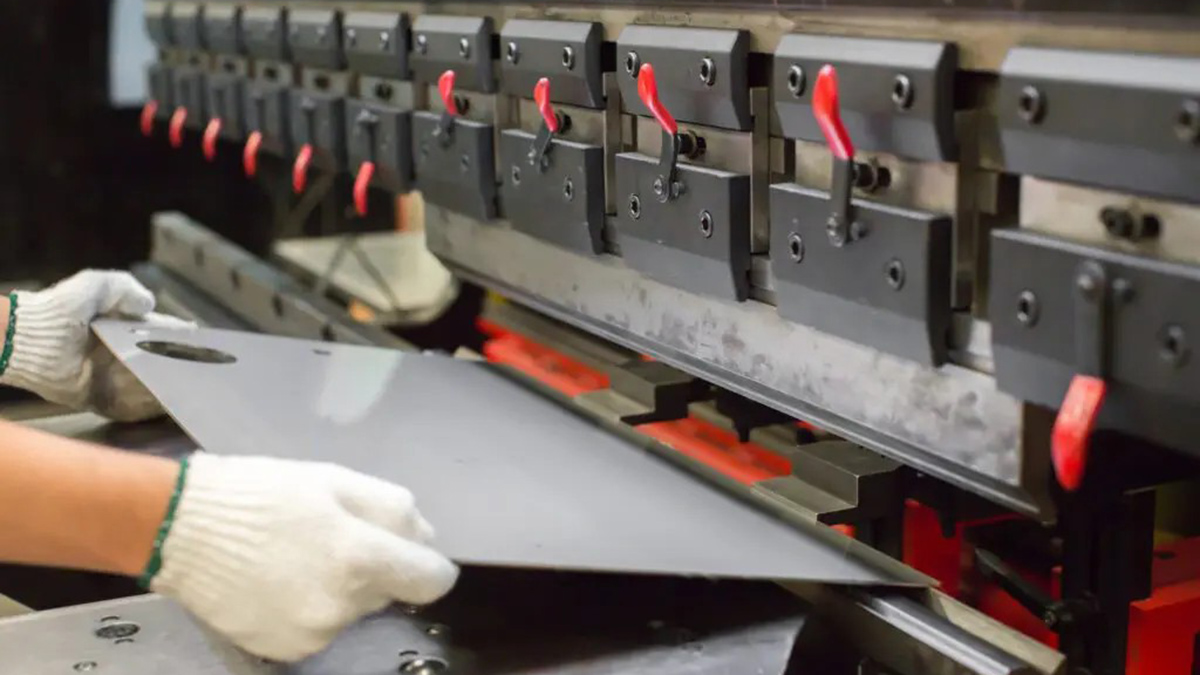
Selecting the right sheet metal material is a crucial step in product design, especially for sheet metal fabrication, as it directly impacts various aspects of manufacturing and the performance [...]
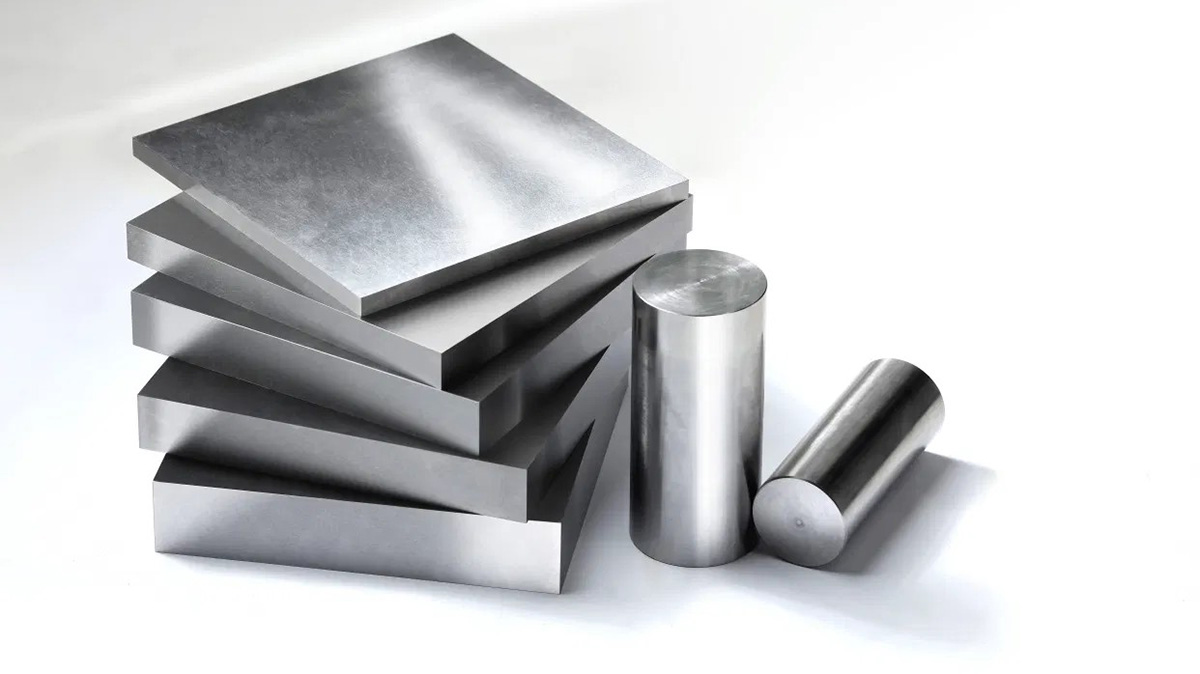
Selecting the appropriate mold steel is a crucial strategic decision that will have an impact on various aspects ranging from part quality, production efficiency to mold lifespan and total [...]
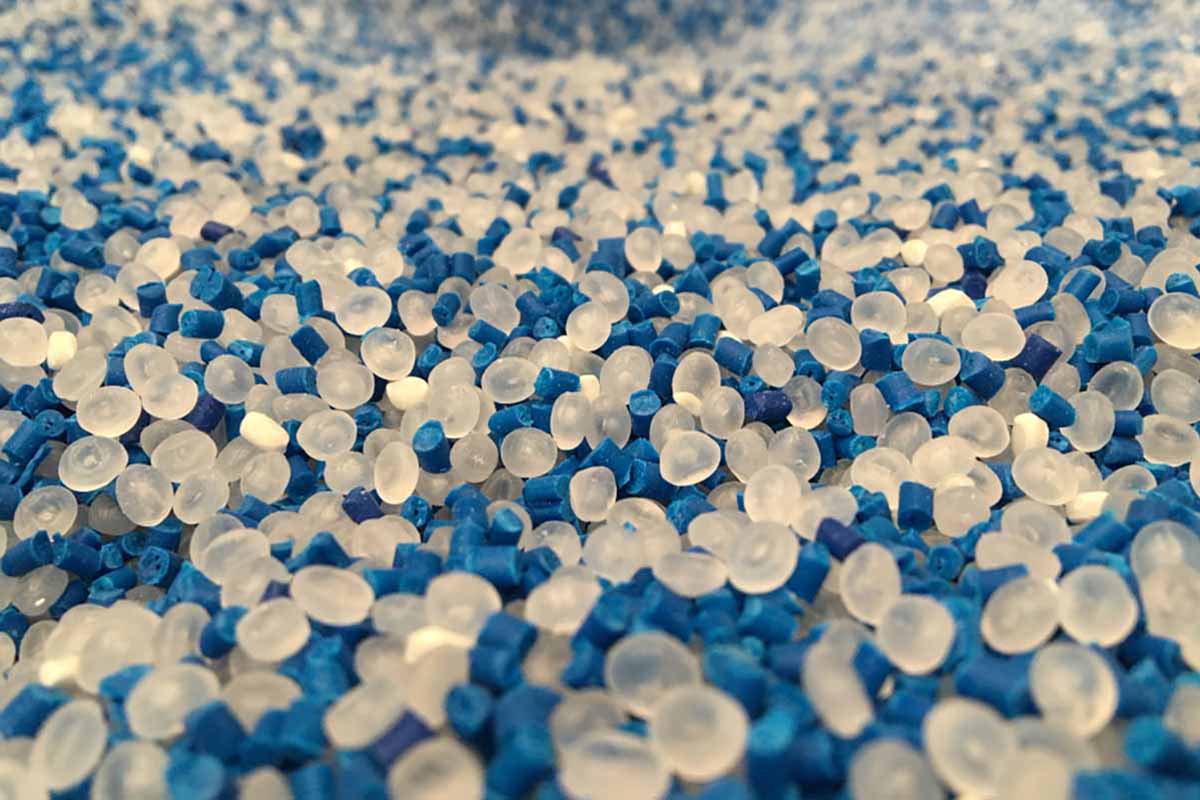
In the world of injection molding, in most circumstances, the choice of materials is not a one-time decision. The selection of materials involves many considerations, including cost, properties, supply [...]
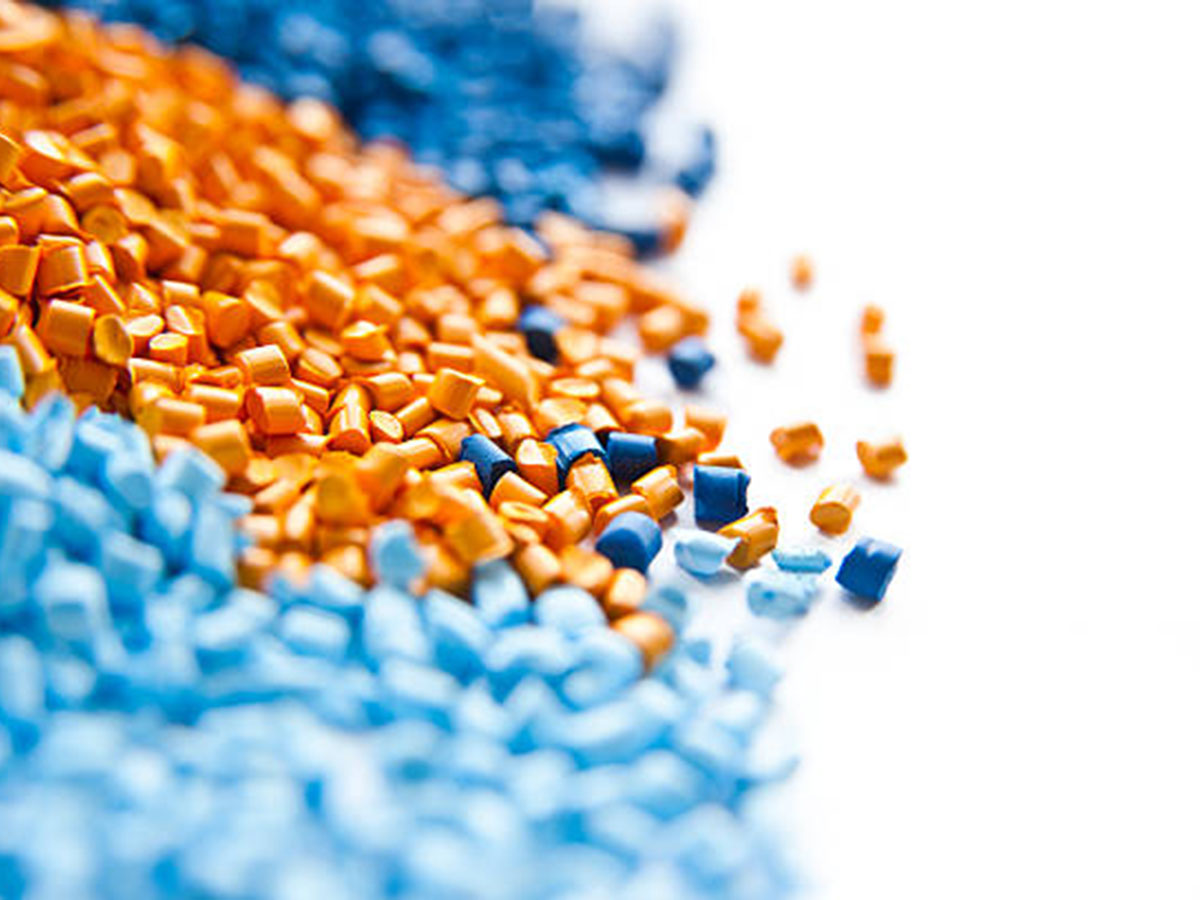
Plastic injection molding is a commonly employed manufacturing technique that consists of injecting heated plastic into a mold to produce various components and products. This technique is known for [...]

How Are Cooler Boxes Made? As the world's leading hard cooler manufacturer, KingStar receives emails asking this question every week. This question is raised by our customers, consumers, and [...]
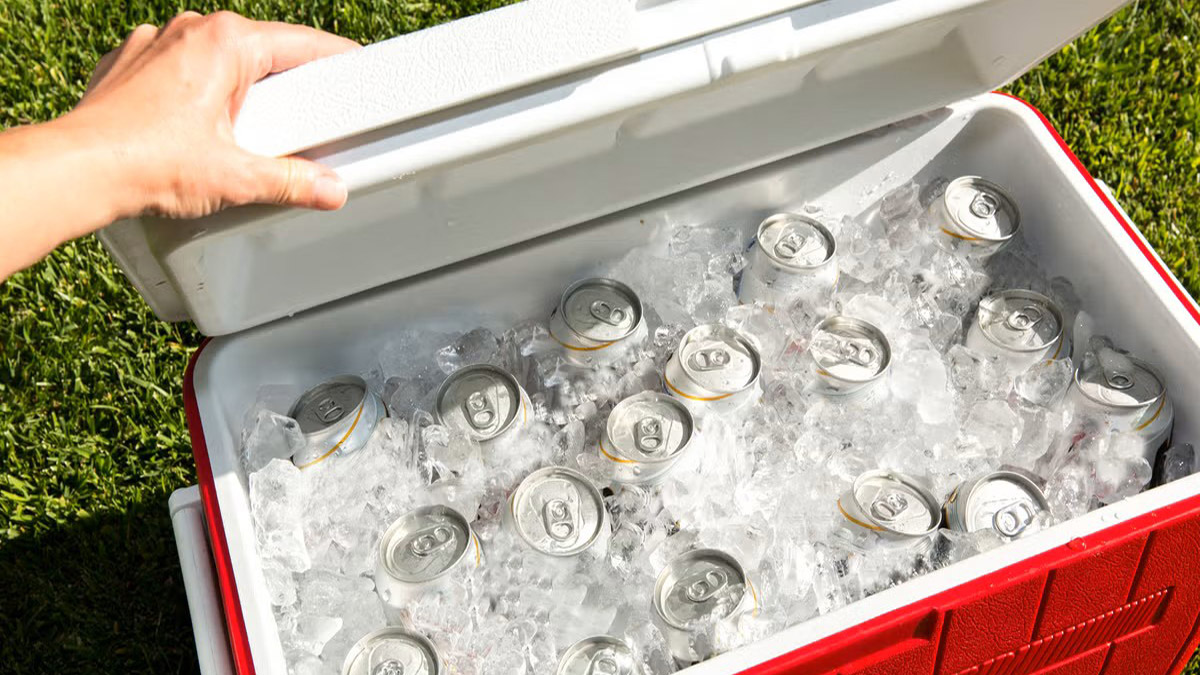
When it comes to getting the most out of your cooler, it's not just about loading it with ice and hoping for the best. The way you use ice—how [...]
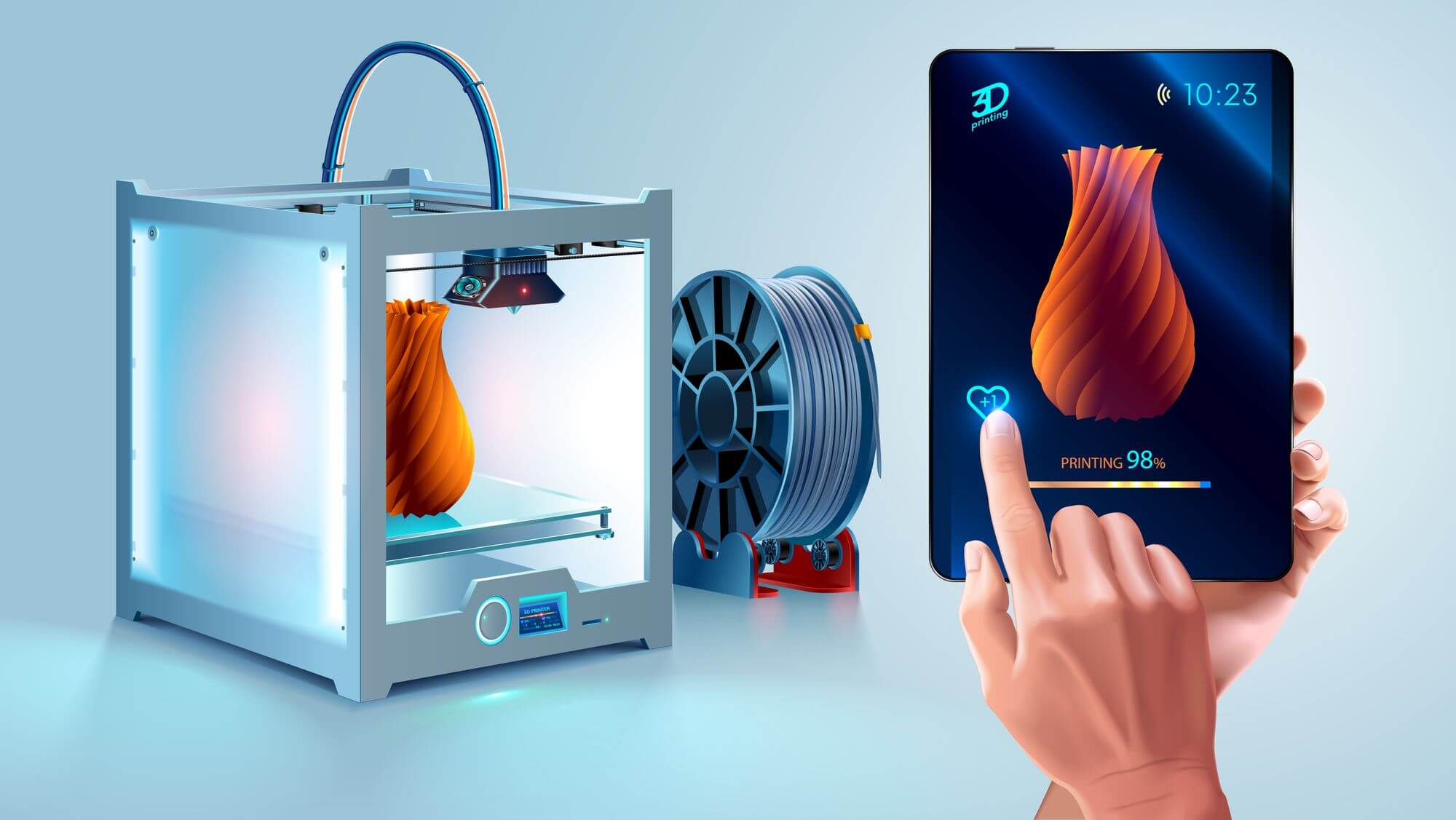
FDM (Fused Deposition Modeling) is one of the most widely used 3D printing technologies at present. Due to its low cost and wide range of material options, it is [...]
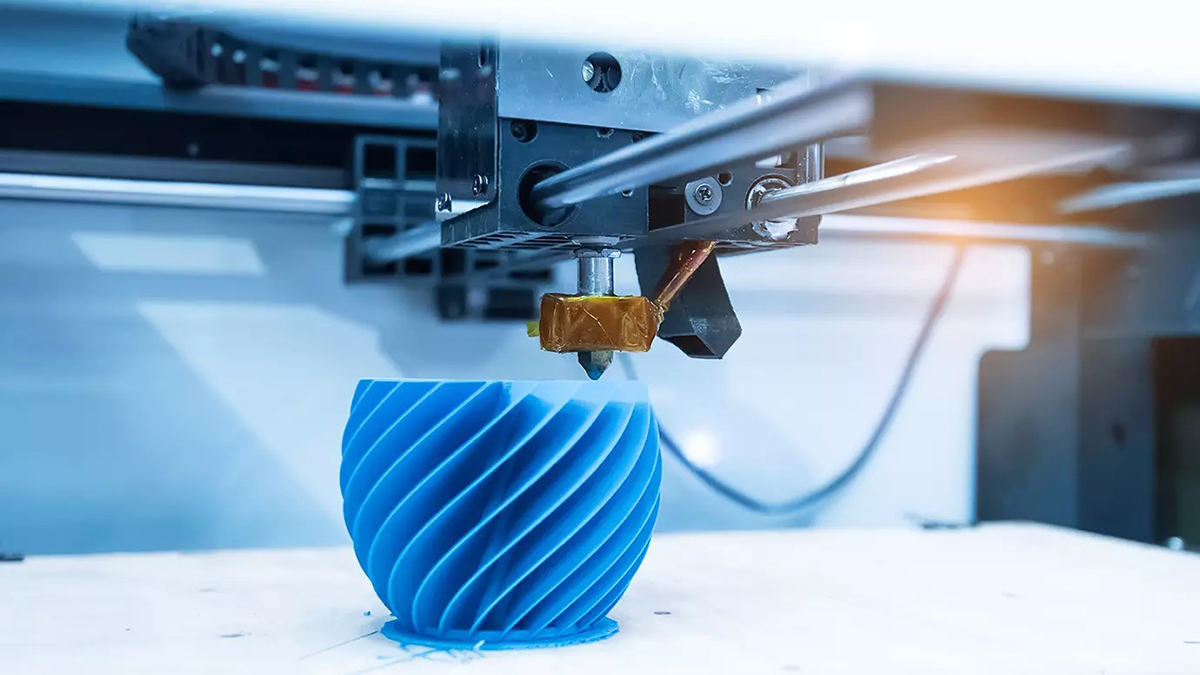
Fused Deposition Modeling (abbreviated as FDM) is one of the most widely used 3D printing technologies. It uses a heated nozzle to extrude thermoplastic filaments, depositing layers of material [...]
Have you ever looked at a product and thought, “I could’ve made something better”? Maybe it's a tool you wish worked differently, or a daily annoyance you’re convinced no [...]
Selecting the right sheet metal material is a crucial step in product design, especially for sheet metal fabrication, as it directly impacts various aspects of manufacturing and the performance [...]

In today’s competitive manufacturing landscape, producing high-quality products isn't just a goal—it’s a measurable discipline. At the heart of this discipline lies CTQ, or Critical to Quality, a framework [...]
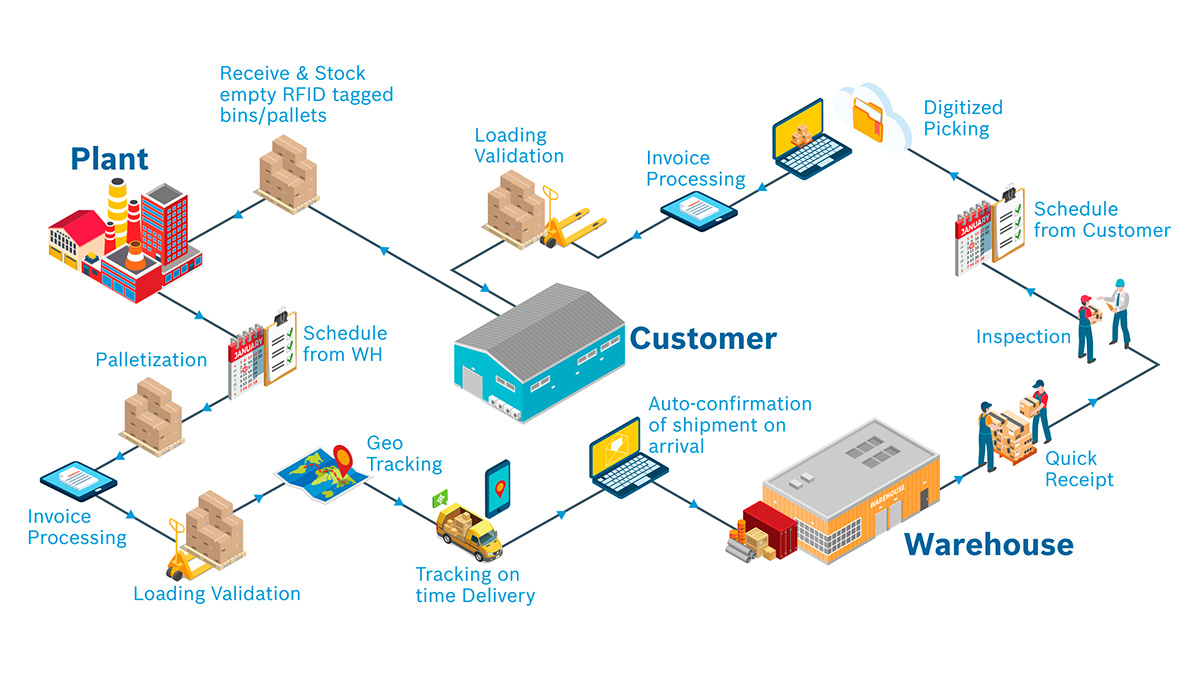
In today’s highly competitive and regulated manufacturing landscape, ensuring product quality and transparency throughout the production process is crucial. Traceability is a key concept that allows manufacturers to track [...]
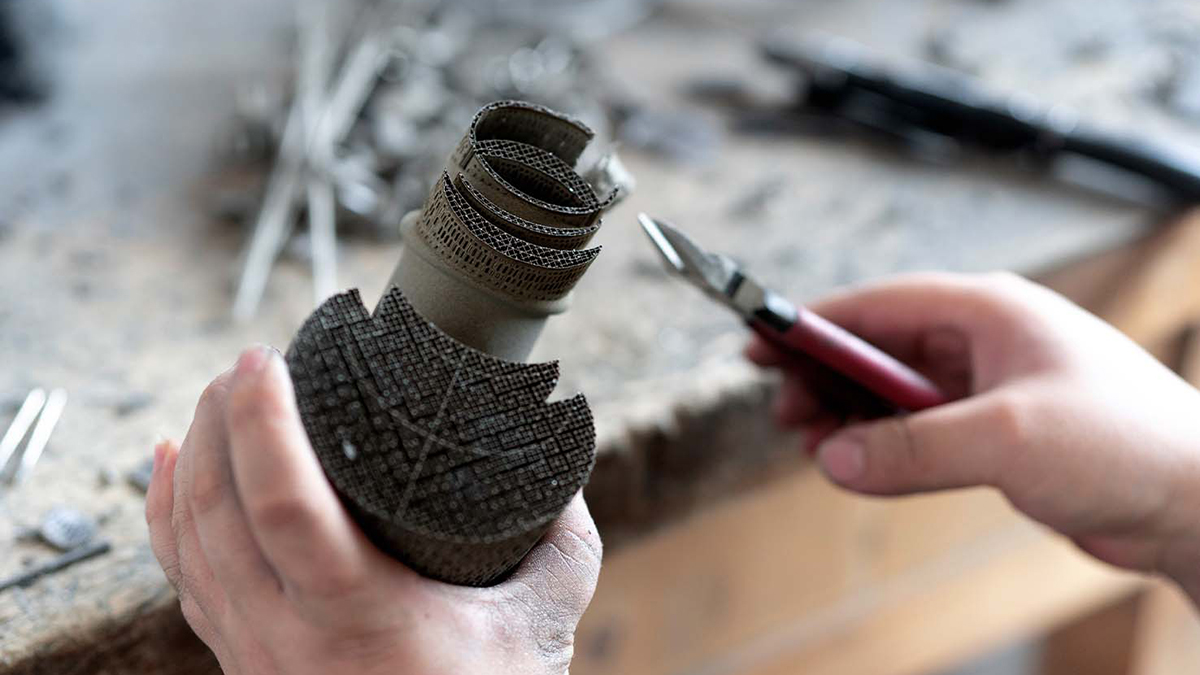
Metal 3D printing has transformed modern manufacturing, enabling the creation of highly complex, lightweight, and customized parts. However, while 3D printing offers incredible design freedom, it’s important to note [...]
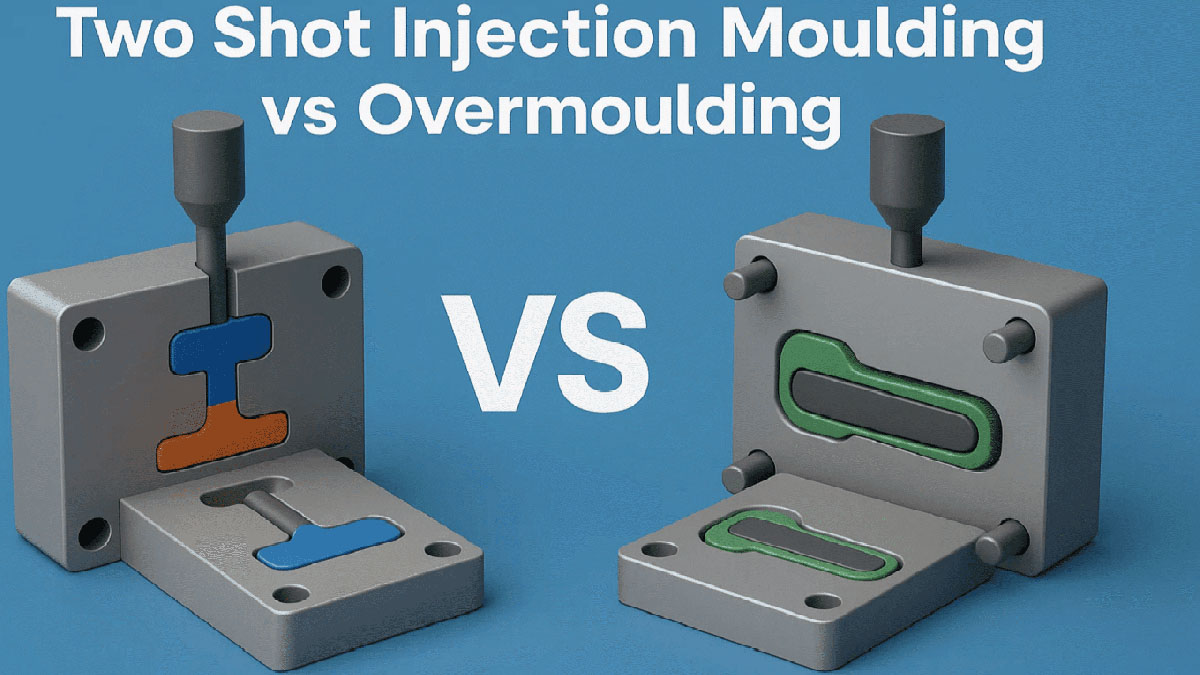
In the field of plastic product manufacturing, two-shot injection molding and overmolding are two mainstream multi-material molding processes. With their unique technical characteristics and application advantages, they serve diverse [...]
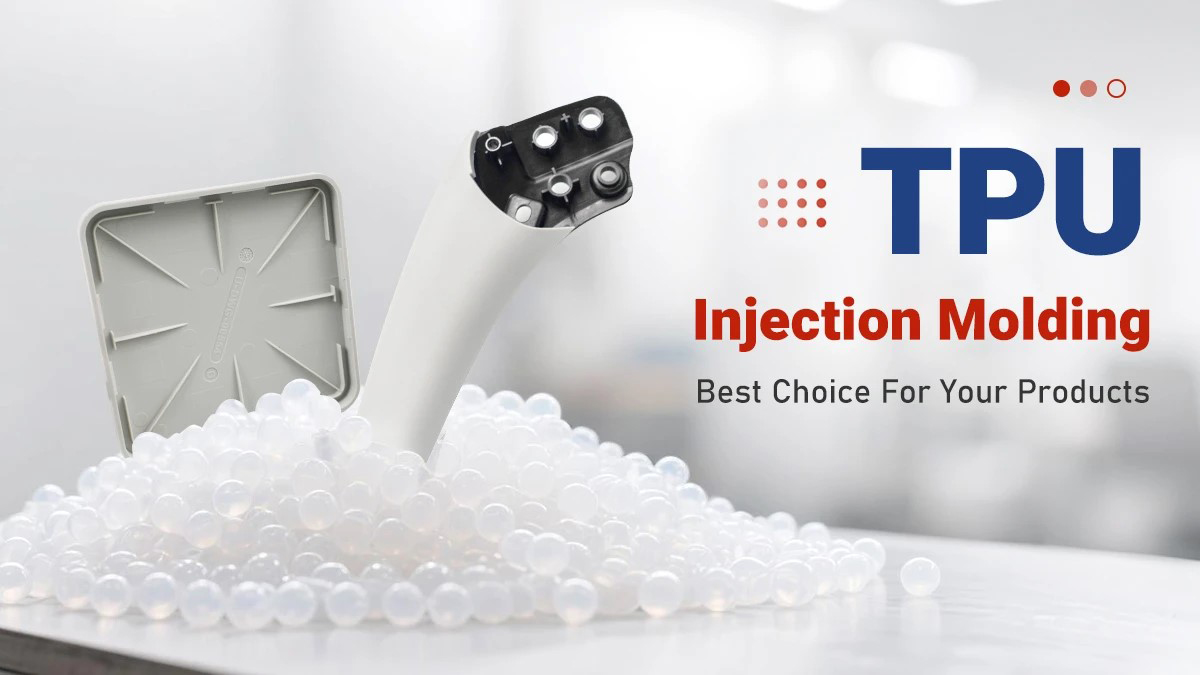
TPU (Thermoplastic Polyurethane) is widely used in many industries due to its excellent elasticity, wear resistance, oil resistance, and other properties. Molding is the core method of TPU processing, [...]
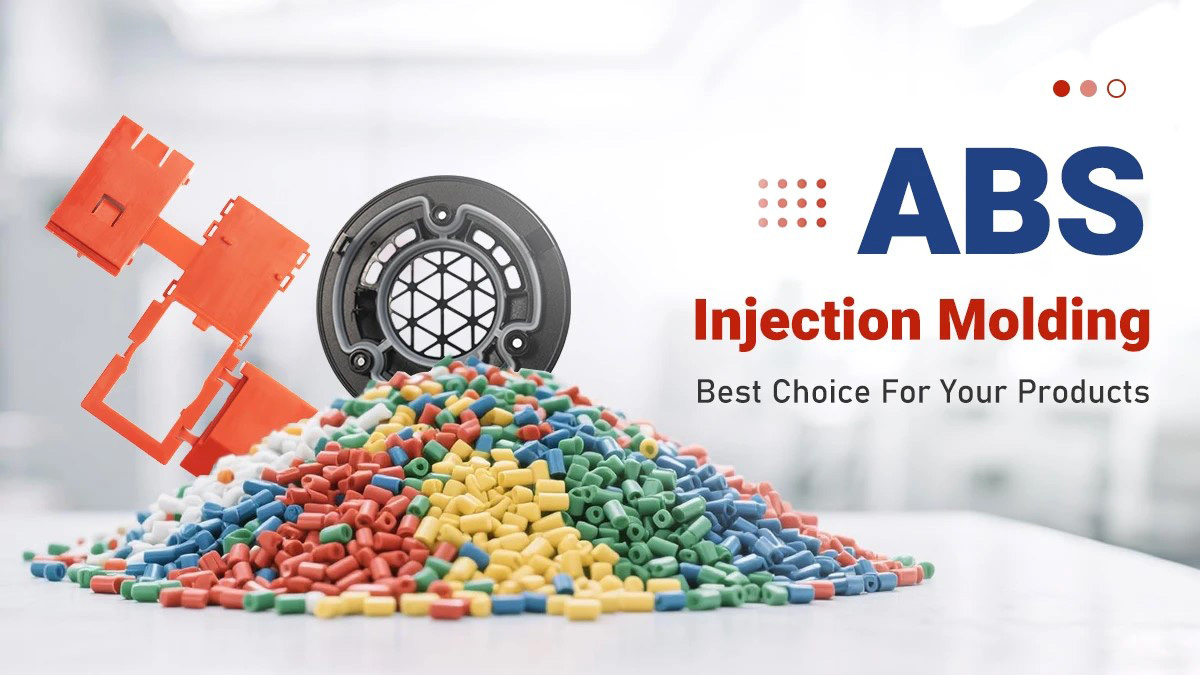
The shrinkage rate of plastics directly relates to the shape and dimensional accuracy of the product. The characteristics of plastic products, mold design, process condition control, and other factors [...]

When traveling outdoors, a reliable hard cooler box is essential for the happiness of the journey - whether it’s cold beer, fresh ingredients, or medicines that require low-temperature preservation, [...]
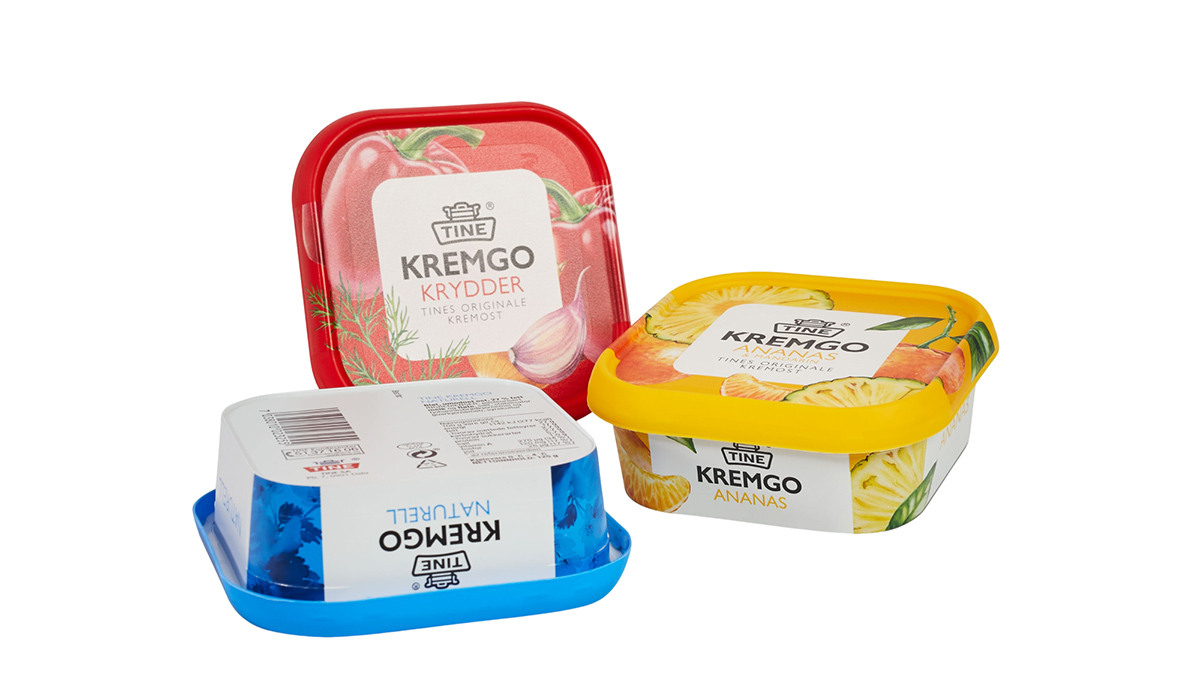
Professionals in the 3C electronics, automotive interior, or smart home industries have most likely encountered this issue: in order to give the product a special texture (such as walnut [...]
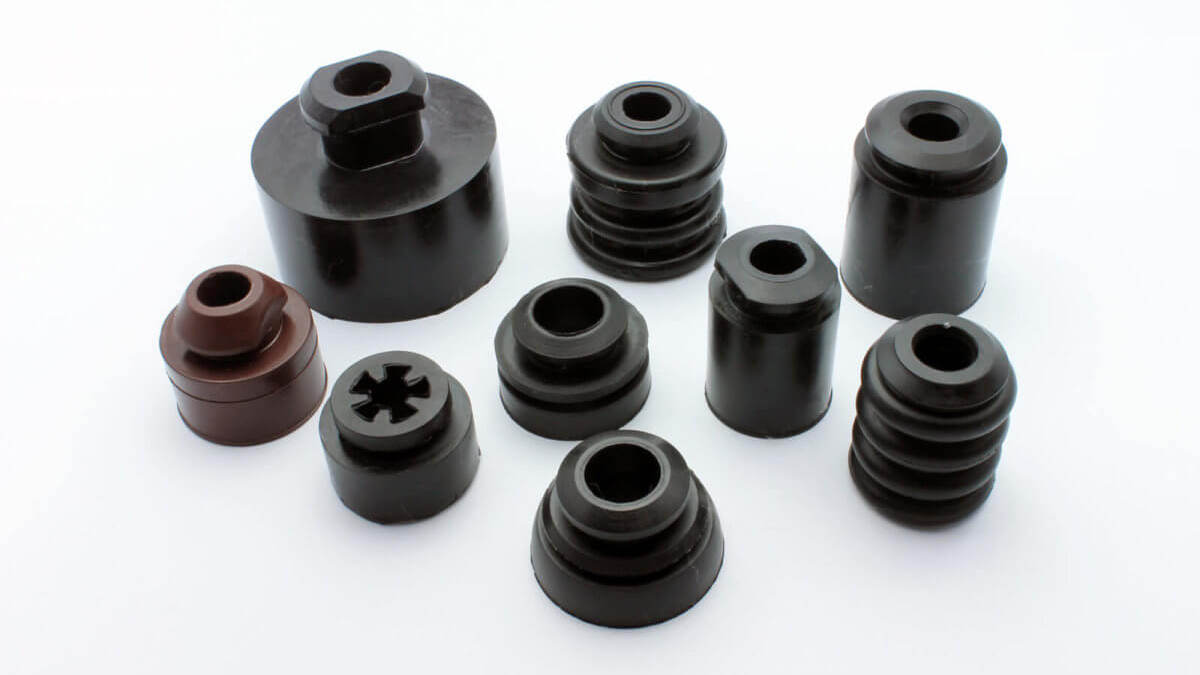
With the rapid development of technology, plastic parts have become widely used in various fields of daily life and industrial production due to their lightweight, low cost, and easy [...]
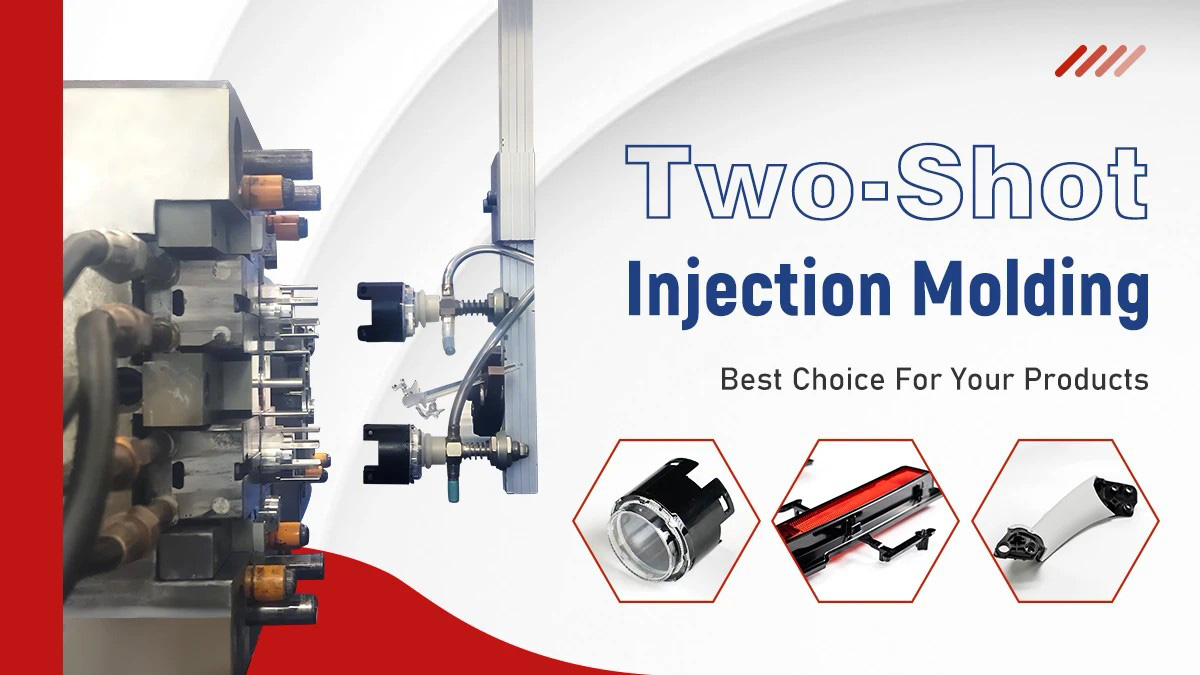
Under the trend of upgrading plastic products towards multifunctionality, high aesthetics, and integration, two-shot injection molding technology has become a key molding technology in fields such as automotive interiors, [...]

Igloo, as a globally leading cooler brand, has a manufacturing layout that combines efficiency and scale. The company's main production base is located in Katy, Texas, USA, with an [...]
In modern manufacturing, with the increasing demand for product appearance, texture, and functional diversity in the consumer market, two-shot injection molding technology has gradually become one of the core [...]
