When traveling outdoors, a reliable hard cooler box is essential for the happiness of the journey – whether it’s cold beer, fresh ingredients, or medicines that require low-temperature preservation, they all rely on its protection. In the hard cooler market, Igloo and Yeti have always been two standout brands. People often ask, “Are Igloo Coolers Just As Good As Yeti?” In fact, there is no absolute “Yes” or “No” answer, it depends on your usage needs and budget.
KingStar, a leading company in plastic injection molding, we will explain the advantages and disadvantages of these two brands in terms of core performance, price, and applicable scenarios.
For coolers, ice retention and durability are the core competitiveness, which is also the core manifestation of the positioning difference between the two. Yeti focuses on top-tier performance, while Igloo offers practicality and cost-effectiveness. Based on actual outdoor testing experience and official parameters, the following table clearly compares the core performance and representative model parameters of the two brands, and the key differences are clear at a glance:
| Comparison Dimension | Yeti (Representative Model: Tundra Series) | Igloo (Representative Model: Maxcold Series/IMX 70) |
|---|---|---|
| Manufacturing Process | Rotational molding process | Traditional non-rotational molding; Some models use rotational molding + polyurethane foam. |
| Insulation Layer Thickness | Up to 2 inches on sidewalls and lid | Generally thinner; |
| Ice Retention Time | Ideal conditions: 10+ days; General outdoor use: ~5 days. | Entry-level (Maxcold Series): 1–3 days;Tested in 80°F ambient: ~2.5 days of stable |
| Capacity Range | 20–350+ quarts (wide range across series); Tundra 45: 45 quarts (holds ~28 cans with 2:1 ice-to-beverage ratio). | 18–150 quarts; Maxcold Ultra 40: 40 quarts; IMX 70: 70 quarts. |
| Empty Weight | Large models up to 40 lbs; Tundra 45: 23 lbs. | Generally lighter; Maxcold Ultra 40: 10.5 lbs. |
| Warranty Period | 5 years. | 1–3 years. |
From the table, it can be clearly seen that Yeti has an absolute advantage in ice retention time and impact resistance with its rotational molding process, pressure injection insulation layer, and rigorous durability design. Its performance in a high temperature environment of 80 °F also confirms its professional level performance, making it ideal for outdoor scenes with high performance requirements; Although Igloo has a shorter ice retention time under similar testing conditions, its 2.5-day performance can fully meet short distance needs, and its price is affordable. Through graded products covering different needs, the entry-level model has outstanding cost-effectiveness, and the high-end model can also approach Yeti’s mid-range level, meeting most daily usage needs.
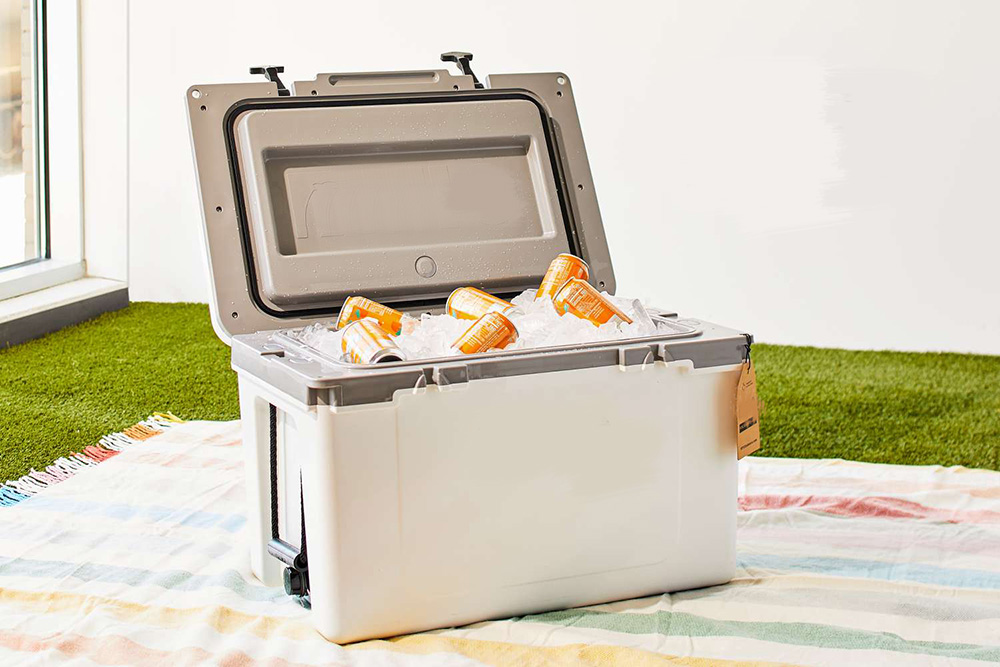
2. Which Cooler Is More Expensive: Yeti or Igloo?
Price is the most obvious difference between the two, and it directly determines the budget for purchasing. We have selected representative models with different capacities for comparison, helping you quickly determine the cost-effectiveness options under different budgets:
| Brand | Model | Capacity | Retail Price / Price Range | Core Price Advantage |
|---|---|---|---|---|
| Yeti | Tundra Series | 20-350+ Quarts | $300 - $1300+ | brand premium+long-term durability implicit value+professional grade performance |
| Yeti | Tundra Haul | ~65 Quarts (wheeled) | $450 - $550 | Wheeled Portability + Professional-Grade Durability for Extended Outdoor Trips |
| Igloo | Trailmate | 70 Quarts (wheeled) | $450 - $550 | Large Capacity + Practical Features, Offering Outstanding Value for Money |
| Yeti | Tundra 45 | 45 Quarts | $299.99 | Stable, Classic Professional Performance |
| Igloo | Maxcold Series | 18-40 Quarts (Representative: 40 Quarts) | $50 - $250 (e.g., Maxcold Ultra 40: $48.99) | Affordable Entry Point, Meets Basic Needs, Extremely Cost-Effective |
| Igloo | IMX 70 (High-End) | 70 Quarts | $300 - $400 | Mid-Range Performance, Ideal for Budget-Conscious Buyers |
The table data clearly shows the rule of “you get what you pay for”: Yeti’s high price corresponds to professional grade performance and long-term durability, while Igloo can meet basic insulation needs with a price of 1/2 or even 1/6. However, it should be noted that behind the price difference is not only the performance gap, but also the brand premium and the “implicit value” of long-term use.
Many users have reported that Yeti cooler boxes can be used for several years or even more than ten years, while Igloo entry-level models have a service life of mostly 1-2 years. After long-term use, the “cost-effectiveness” gap between the two will gradually narrow.
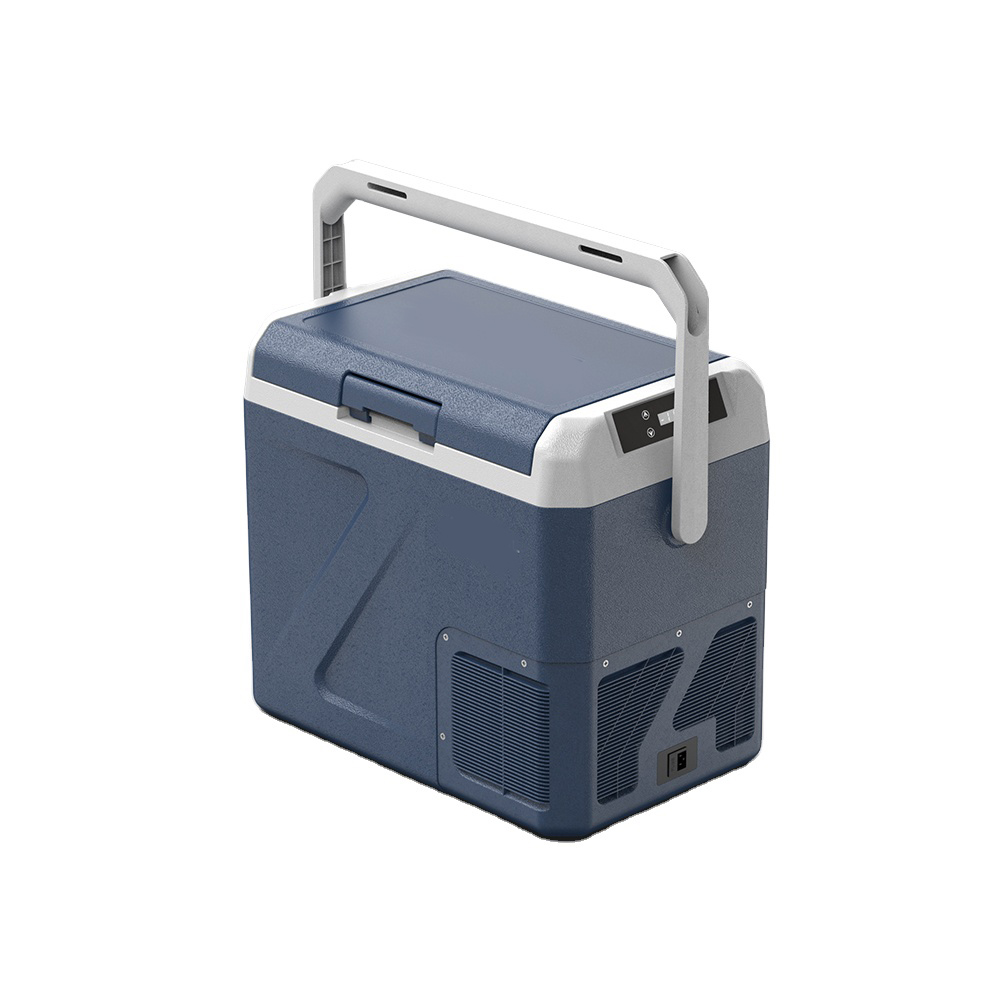
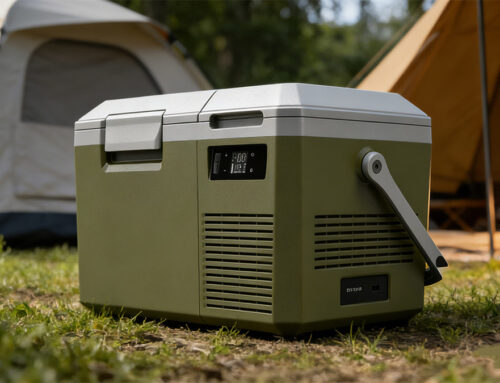
20/34/42/68/87QT Mini Hard Cooler Camping Portable Freezer Compressor Ice Chest Unit Price: $70.3-76.9
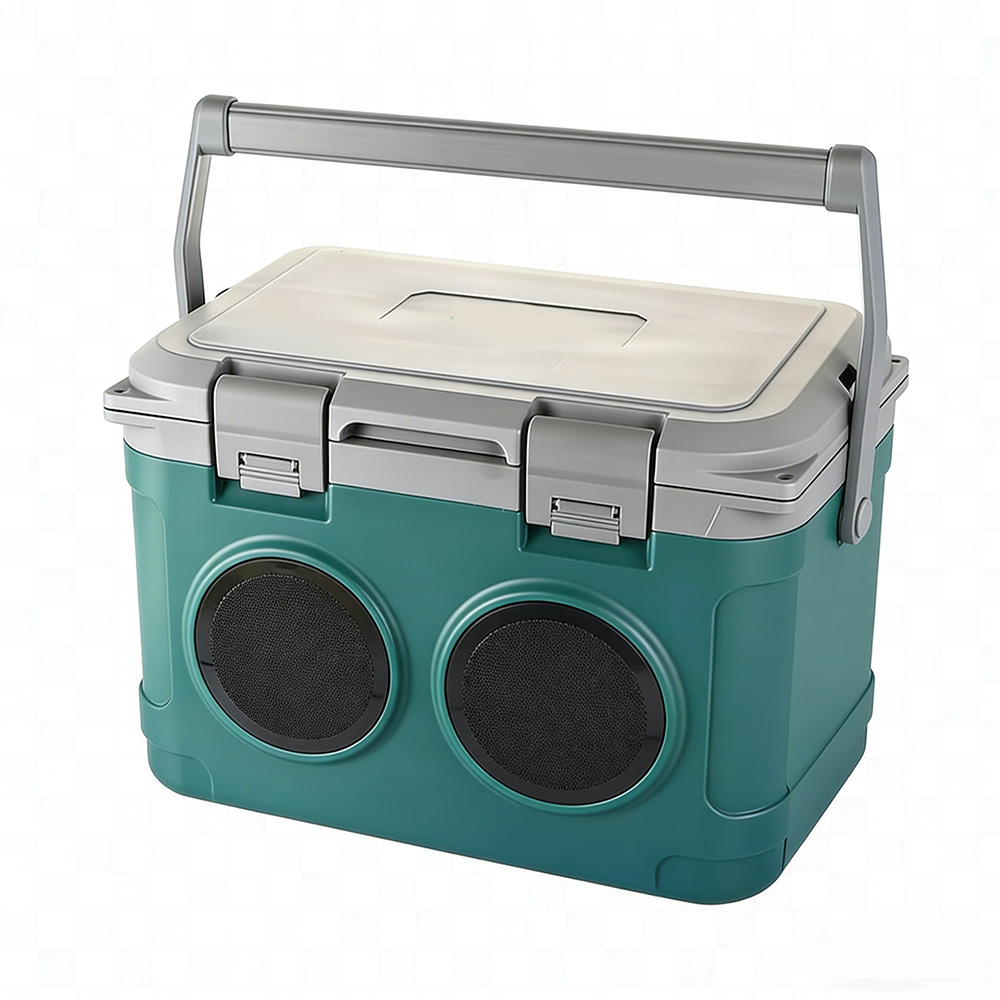
22QT Hard Cooler Box With Speaker Insulated Portable Thermal for Camping Travel 21L Unit Price: $17.1-26.6
3. Recommended Application Scenarios: Which is More Suitable for You, Yeti or Igloo?
After reading the above comparison, I believe you have a general direction. Here are specific recommendations based on different scenarios:
Choosing Yeti:
- If you frequently engage in long-term outdoor activities in extreme environments such as long-distance camping, wilderness fishing, and complex terrain camping in the Rocky Mountains;
- Or if you need bear resistant durability and long-distance ice retention;
- Or if you have sufficient budget and pursue “buy-it-for-life” durability and cooling performance.
Tests have proven that Yeti can perform stably under harsh conditions such as high temperatures of 80 °F, 3-foot drops impact, and complex terrain drag, making it a reliable partner for professional outdoor enthusiasts.
Choosing Igloo:
- If your needs are for daily scenarios such as family picnics, short camping trips, car refrigeration, and group gatherings, and your budget is limited, Igloo is more worth buying.
- It is affordable, with basic insulation properties that can be used. Some models come with rollers for easy transportation, which can meet the daily insulation needs of most people. Especially high-capacity models like Igloo Maxcold Ultra 40, suitable for short distance travel by multiple people;
However, it should be noted that the durability of its plastic components is average and not suitable for load-bearing or extreme outdoor environments. In addition, if the budget is limited but you want to pursue better insulation performance, you can choose the Igloo high-end series (such as IMX 70), which can find a balance between insulation performance and durability.
4. Summary: Suitability Is the Priority
Returning to the original question: “Are Igloo as good as Yeti Coolers?” The answer is: in their respective positioning and scenarios, they are all excellent products. As revealed by a week of testing experience, the core truth is that if you need top-notch ice retention and ultimate durability to cope with hardcore exploration, Yeti’s price is completely reasonable; For leisure travel, Igloo’s performance is solid enough and its cost-effectiveness is extremely high. If your usage scenario does not push the cooler box to its limit, Igloo is often more than enough and can help you save a lot of money, suitable for daily use and family travel.
If you want to create an exclusive independent brand or need stable production capacity as a partner, the key is to choose high-quality hard cooler custom manufacturers. This is precisely the core value that professional manufacturing companies like KingStar can bring to customers. You can send your email at any time at sales@kingstarmold.com or leave online message. We will promptly answer any questions within 24 hours.