Custom Manufacturing & Precision Machining Company
Anodizing2025-12-15T02:41:14+00:00

Anodizing

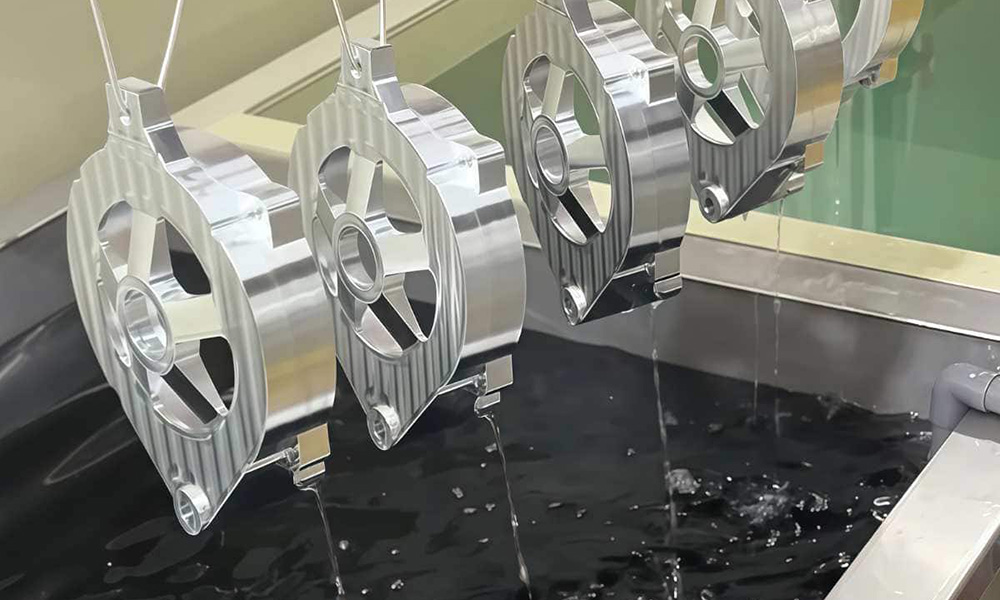
We offer industry-leading anodizing services, forming a robust and durable oxide layer on the surface of aluminum and aluminum alloy components through precise electrochemical processes, significantly enhancing corrosion resistance, wear resistance, and overall performance. Whether it’s industrial-grade hard anodizing (Type III) or custom color decorative layers, we can achieve high-precision control and stable output.
  • With high corrosion resistance and hardness, it is long-lasting and scratch-resistant.
  • Precise control of thickness and color consistency, supporting appearance customization.
  • Improves adhesion, enhancing the reliable bonding of coatings, paints, and adhesives.

What is Anodizing?

surface finishing

Anodizing is an electrochemical surface treatment process mainly used for aluminum and aluminum alloy parts. By using the workpiece as the anode in an electrolyte solution, a controlled oxidation reaction occurs on the surface, resulting in a layer of oxide film (alumina film) that integrates with the base material. Unlike spraying or electroplating, this oxide layer is not simply attached to the surface but chemically combines with the metal substrate as a whole, thus having extremely high adhesion strength and stability.

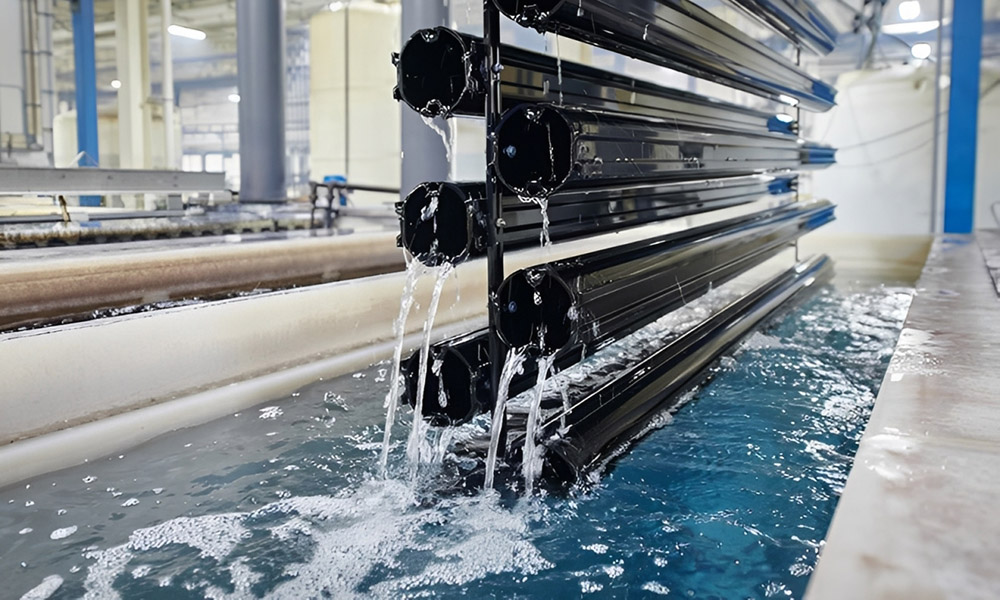
During the anodizing process, aluminum parts are immersed in an acidic electrolyte and electrically charged to become the anode. The current causes an oxidation reaction on the metal surface, resulting in a uniform layer of aluminum oxide. Before sealing the holes, this oxide layer has a microporous structure and can be used for coloring or improving adhesion; after sealing treatment, this layer of film will become denser and more durable.

The aluminum materials treated by anodizing have the following advantages: they have strong corrosion resistance, high surface hardness, strong color expression ability and good decorative properties, and can enhance the adhesion of subsequent coatings.

  • Excellent corrosion resistance
  • Extremely high surface hardness and wear resistance
  • Rich decorative appearance and long-lasting color
  • Enhance the adhesion of subsequent coatings

Our Most Requested Anodizing Services

Type II Aluminum Anodizing

Industry Standard Choice for Decorative Effects

Type II anodizing is the most commonly used surface treatment method for aluminum parts in both industrial and consumer electronics. It relies on a controlled oxide layer to provide uniform appearance, basic protection, and excellent coloring capabilities. For applications that prioritize appearance consistency and cost balance, this is the optimal solution.

  • Light Protection
  • Decorative surface consistency: The oxide layer is uniform, enabling the realization of stable matte or glossy effects.
  • Controllable film thickness (approximately 8–12 μm): Suitable for precision parts, maintaining dimensional stability.
  • Rich color options (color anodizing)
  • Outstanding corrosion resistance: Protects parts from minor wear and oxidation.
  • Electronic casings, aluminum profiles, decorative parts, outdoor lightweight components, etc.

Type III Hardcoat Anodizing

Meeting the Demanding Requirements of Industrial Environments

Type III hardcoat anodizing (hard anodizing) is achieved through higher current density and low-temperature processes, resulting in a dense and thick oxide layer (up to 35–50+ μm). This is an important process for enhancing the lifespan and reliability of industrial-grade aluminum components.

  • Extremely Durable + Highly Protective (engineering grade): Suitable for components under high friction and heavy loads; the oxide layer has high hardness and low porosity, capable of withstanding salt spray and chemical environments.
  • Thick film layer (typically 35–50 μm): Enhances the structural lifespan of components and reduces maintenance frequency.
  • Stable size control: Can be used in conjunction with CNC processing parts to meet strict tolerance requirements.
  • It is widely used in industries: mechanical components, aviation parts, sports equipment, automation devices, etc.

Chromic Acid & Phosphoric Anodizing

In addition to the common Type II and Type III processes, we also offer more specialized and targeted custom anodizing services to meet the requirements of high-precision parts, exterior components, aviation components, and situations where subsequent bonding is necessary.

Type I Anodizing (Chromic Acid Anodic Oxidation)

Suitable for thin films, precision parts and lightweight protective requirements in the aviation sector

  • Ultra-thin film layer (0.00002 – 0.0001 inch): Suitable for parts that are sensitive to size and cannot increase in thickness.
  • Good sealing performance in terms of corrosion resistance: While maintaining the film, reliable protection can still be achieved.
  • Commonly used in aviation and military industries.
  • Both decorative and lightweight functional.

Phosphoric Anodizing (Phosphoric Acid Anodizing)

It is designed specifically for bonding, spraying, and enhancing the adhesion of adhesive layers

  • Ultra-thin film layer (< 0.0001 inch): The influence on size can be almost negligible.
  • Forming porous surfaces: Facilitating the firm bonding of coatings, adhesives, and primers.
  • It is widely used in aircraft structural components and composite material processing.
  • It is not a corrosion-resistant coating; rather, it focuses more on surface preparation.

Advanced Custom Features

Color Customization (Custom Color Anodizing)

Standard industrial colors, brand-customized colors and high consistency batch control are all available.

Local Masking

Mask out the areas that do not require anodizing treatment, including threads, edges of tolerance dimensions, conductive surfaces (to ensure tolerance), etc.

Tight Tolerance Anodizing

We offer design support for size compensation before and after processing to ensure that even after anodizing, the size tolerance can still remain at the micrometer level.

Preparation and Post-Processing Process

  • Pre-treatment: Remove burrs, polish, sandblast, and chemical cleaning to ensure surface consistency
  • Post-processing: To make sure processes such as sealing, spraying, laser engraving, and printing can be seamlessly integrated.

Showcase of Anodizing Finished Products
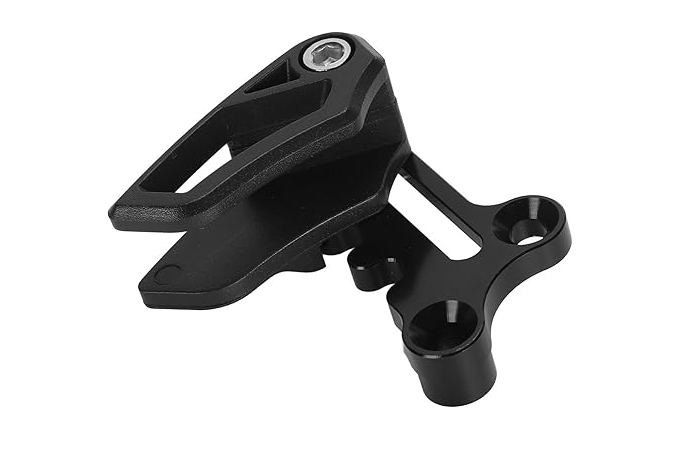
products through anodizing surfacefinishing

Bike Chain Guide

products through anodizing surfacefinishing

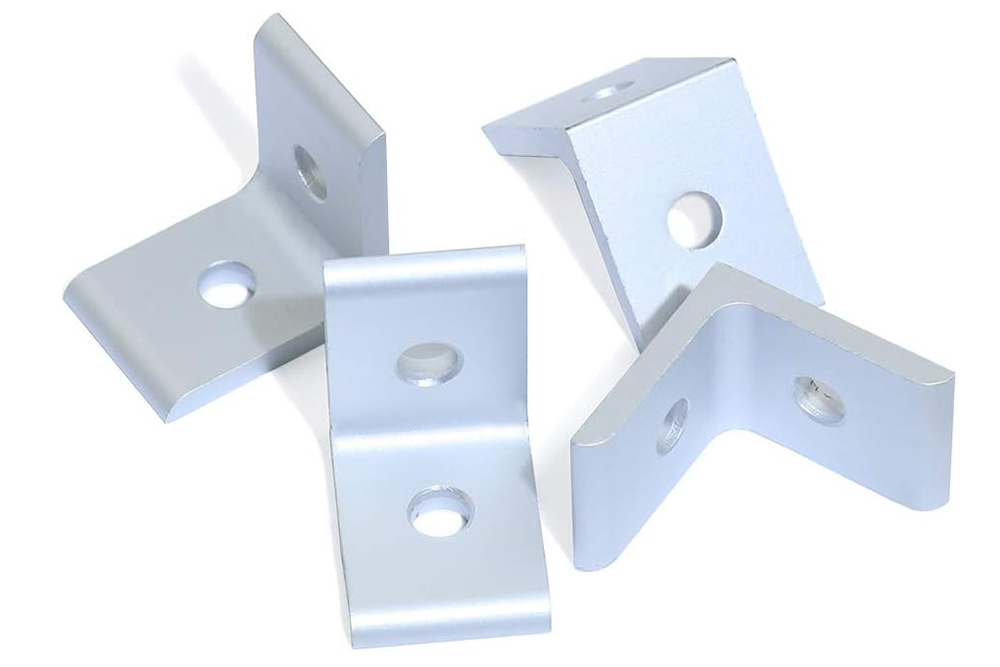
Corner Bracket

products through anodizing surfacefinishing

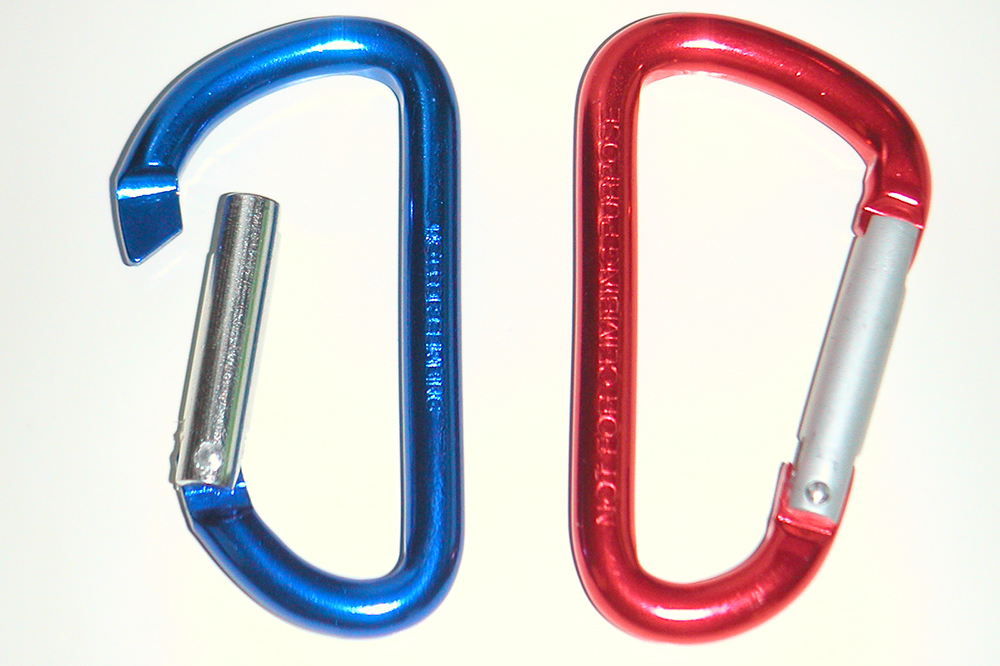
Carabiners

products through anodizing surfacefinishing

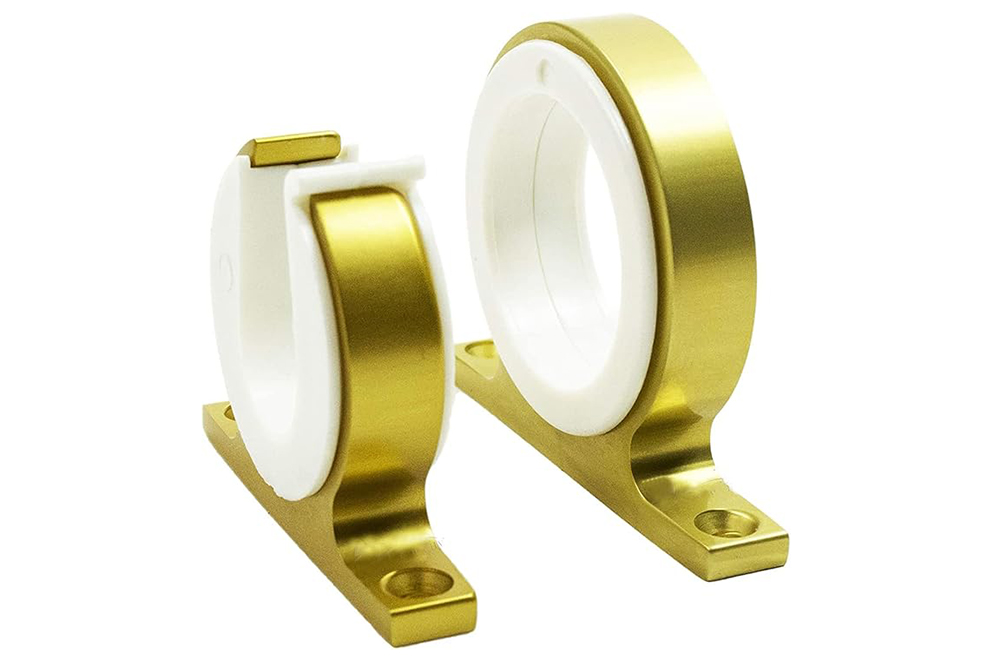
Hanger Rack

products through anodizing surfacefinishing

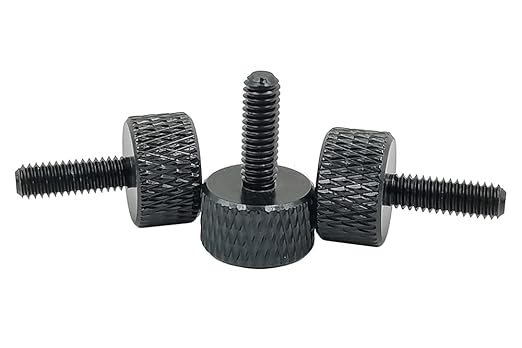
Adjustment Screws

products through anodizing surfacefinishing

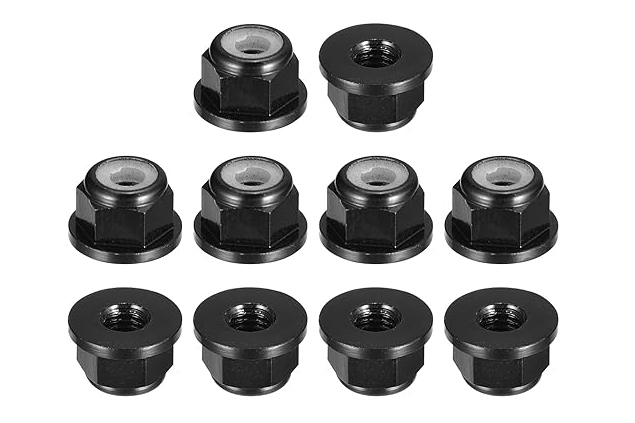
Lock Nuts

products through anodizing surfacefinishing

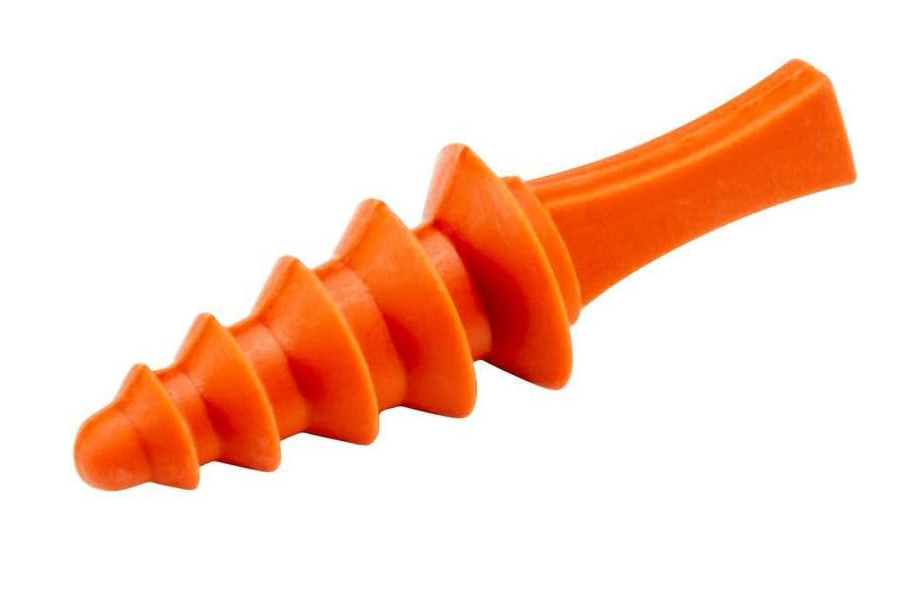
Multi-flanged Plug

products through anodizing surfacefinishing

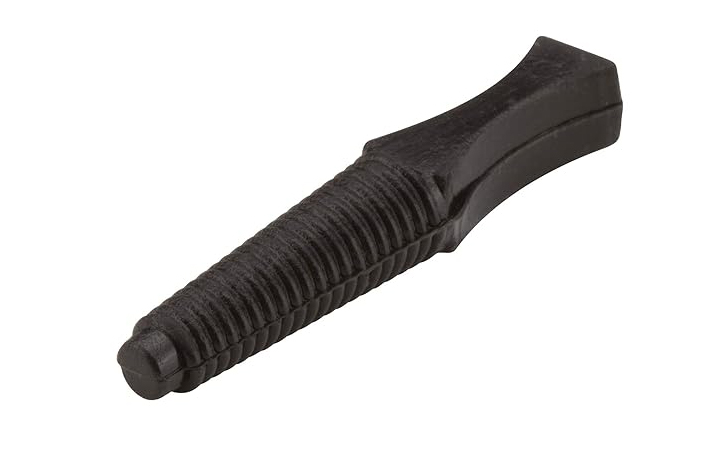
Flangeless Plug

Color Options for Anodizing

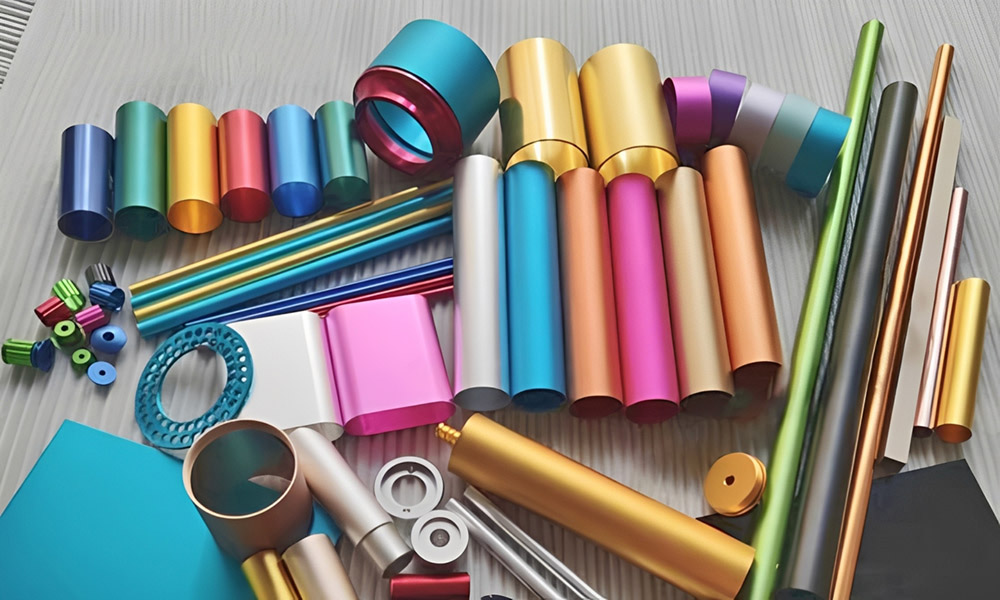
The anodizing process creates a porous oxide layer on the aluminum surface, making it possible to achieve rich and long-lasting colors. Coloring is mainly achieved through two methods: the dye impregnation method, where the oxidized components are immersed in organic or inorganic dyes to adsorb colors; and electrolytic coloring, where metal particles are deposited in the micropores through electrolysis to produce tones.

While Type I (Chromi c Acid) and Phosphoric Acid anodizing are important for specific aerospace or adhesion-promotion applications, they offer very limited or no decorative coloring capabilities and are thus not the focus of this color chart.

We offer a wide range of color options, from classic colors to custom colors, including champagne gold, titanium color and other special effects. These colors are not only aesthetically pleasing but also possess excellent resistance to fading and wear due to the sealing process, and can meet various needs ranging from precision instruments to fashionable consumer products.

Champagne

Gold

Black

Silver

Bronze

Blue

Red

Green

Purple

Titanium

ColorDye ImmersionElectrolytic ColoringSuitable Process (Type)Typical Industries & Applications
ChampagneAvailable (Common)Available (Specific Alloy/Process)Primarily Type IIHigh-end Consumer Goods, Architectural Hardware, Trim, Gifts
GoldAvailable (Standard Yellow Dye)Preferred (Better Durability)Type II, Type III (Limited)Architectural Trim, Luxury Accessories, Nameplates, Furniture
BlackAvailable (Standard)Preferred (Deeper & Better Weathering)Type II, Type IIIConsumer Electronics Housings, Optical Devices, Automotive Parts, Industrial Components
SilverN/A (Natural Color)N/A (Natural Color)Type II, Type IIIMachinery, Aerospace Components, Minimalist Architectural Profiles
BronzeAvailable (Bronze-like)Preferred (Authentic Bronze Appearance)Type IIArchitectural Curtain Walls, Roofing, Decorative Art Pieces
BlueAvailableGenerally Not UsedType IISporting Goods, Signage, Medical Devices, Custom Consumer Products
RedAvailableGenerally Not UsedType IISafety Equipment, Buttons, Musical Instruments, Branded Custom Parts
GreenAvailableGenerally Not UsedType IIInstrument Panels, Military Equipment, Specialty Decor
PurpleAvailableGenerally Not UsedType IIPersonalized Consumer Electronics, Gifts, Fashion Accessories
TitaniumN/APrimary Method (Interference Coloring)Type II (Specific Process)Eyewear Frames, Watches, High-end Trim with Titanium-like Finish
CustomPrimary Method (Custom Blending)Limited (Dependent on Metallic Salts)Type IIBrand-Specific Colors, Any Field with Unique Design Requirements

Notes:

  • This table focuses on Type II (Sulfuric Acid) Anodizing, the standard for coloring. Type III (Hardcoat) is suitable mainly for natural, black, and dark bronze shades due to its dense structure.
  • Color Performance: Electrolytically colored parts (e.g., most golds, blacks, bronzes) generally offer superior UV resistance and colorfastness because the pigment consists of metallic particles.
  • Other Processes: Type I (Chromi c Acid) anodizing is used in specialized fields (e.g., aerospace) with very limited color options. Phosphoric acid anodizing is a pretreatment for adhesion, not for decorative coloring.
  • Custom Service: For custom colors, we primarily utilize the Dye Immersion method for precise color matching to meet your unique branding or design needs.

Electrolyte Concentration

15–20%

Sulfuric Acid (H₂SO₄)

Typical Coating Thickness

5–25 µm

Determined by applied voltage

Sealing Temperature

95–100°C

Hot water / steam sealing

Our 9-Step Anodizing Workflow

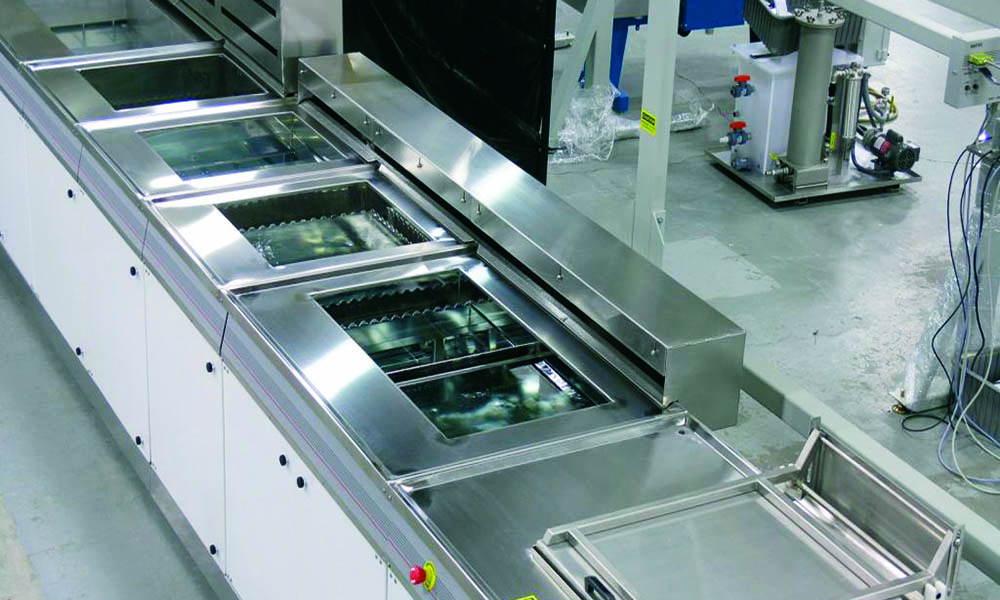
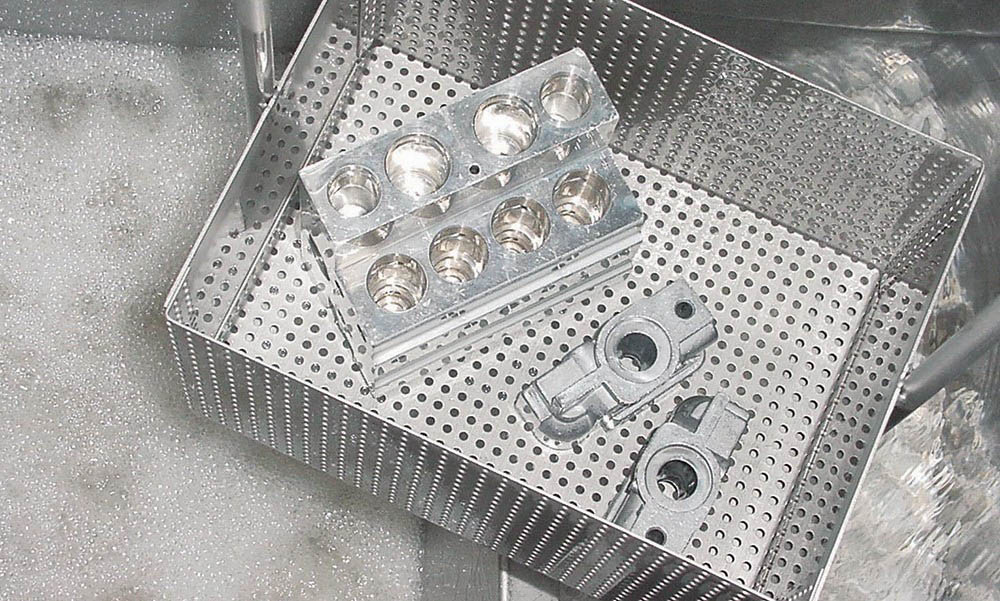
industrial Ultrasonic Cleaning tanks for anodizing

Ultrasonic Cleaning

Generates high-frequency ultrasonic waves to create millions of microscopic bubbles (cavitation). These bubbles implode upon contact with the part surface, dislodging oil, grease, and particulate matter without mechanical scrubbing.

  • Media: Deionized Water or Alkaline Cleaner Solution.
  • Temp: 40°C-60°C.

  • Time: 5-10 Minutes.

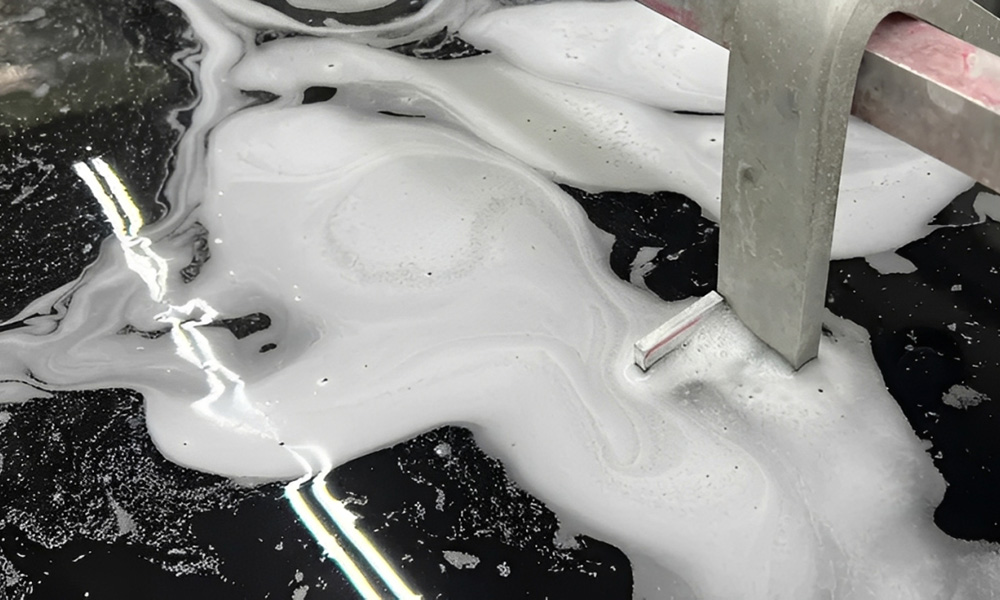
alkaline cleaner for aluminum anodizing

Alkaline Cleaner

Removes machining oils, fingerprints, and soluble salts from the aluminum surface. It also helps to brighten the metal.

  • Chemistry: Non-caustic, non-silicated alkaline cleaner.
  • Control: pH 9.0-10.5.
  • Rinses: 2 Water Rinses (Before/After).
aluminum etching using alkaline etch solution

Chemical Etch (Bright Dip)

Dissolves the outer layer of the aluminum surface to remove machining marks and create a uniform texture for the oxide layer.

  • Solution: Sulfuric Acid + Sodium Chlorate (NaClO₃).
  • Removes surface oxides and smut.
anodizing Deoxidizer

Deoxidizer / Desmutt

Removes “smut” (black powder) generated during the etching process and any residual alloy constituents.

  • Solution: Strong Acidic Solution (often Nitric Acid or Chromic Acid).
  • Critical for preventing dyeing defects.
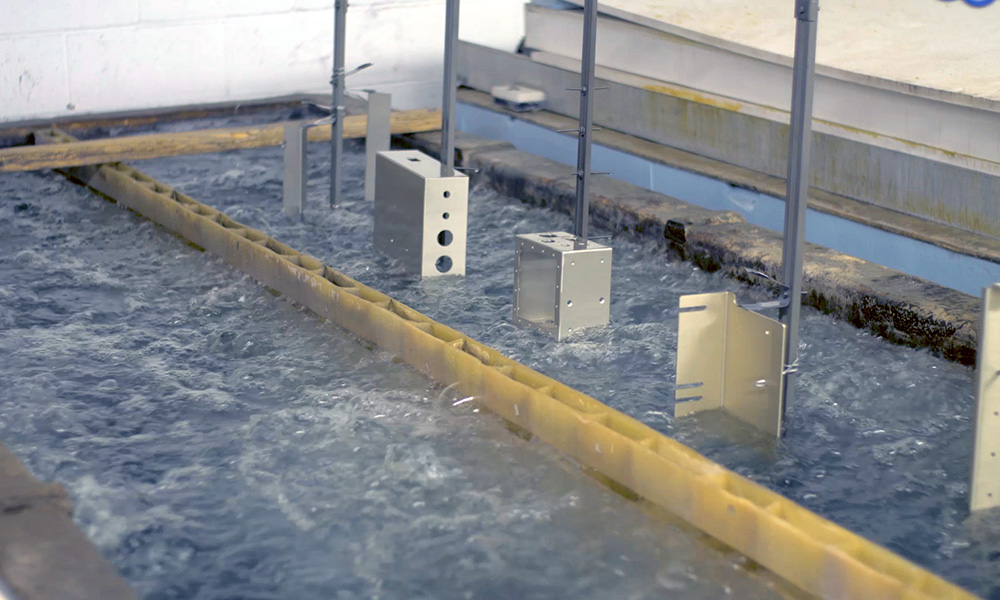
anodizing process

Anodizing (Electrolytic Oxidation)

The core process where an electric current converts the metal surface into a durable, corrosion-resistant oxide layer.

  • Electrolyte: Dilute Sulfuric Acid (H₂SO₄).
  • Concentration: 15%-20% (150-200 g/L).
  • Voltage: 12V-24V (Depends on desired thickness).
  • Temp: 18°C-22°C.
Nitric Acid Dip in anodizing

Nitric Acid Dip

Further opens the pores of the anodic film and flushes out aluminum sulfates trapped inside the pores, preparing the surface for optimal dye uptake.

  • Solution: 5% Nitric Acid (HNO₃).
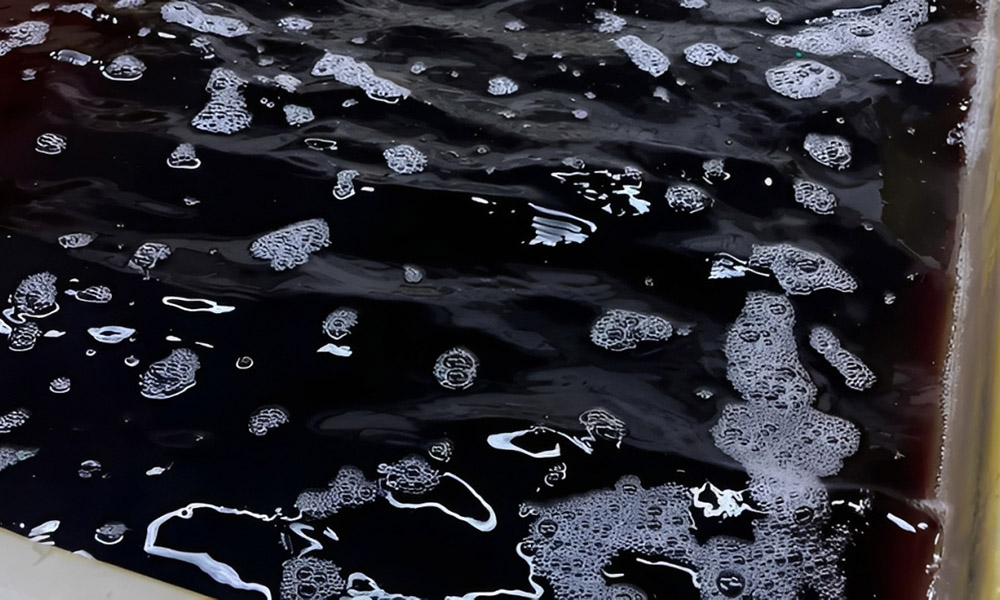
anodizing color dye

Color Dyeing

The porous oxide layer absorbs organic or inorganic dyes.

  • 40°C-60°C, 10-30 mins.

  • Colors: Clear, Red, Blue, Gold, Black.
  • Mechanism: Adsorption of pigment molecules into the hexagonal lattice.

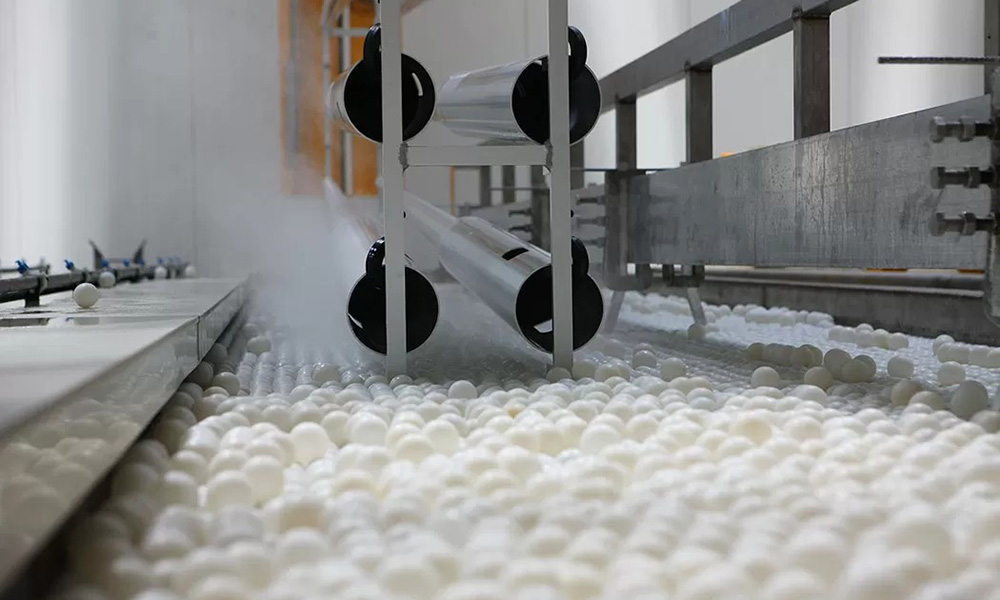
anodizing sealing in hot water

Sealing (Hot Water)

Closes the pores of the oxide layer to lock in color and improve corrosion resistance.

  • Boiling Water Sealing (95°C-100°C).

  • Duration: 15-30 Minutes.
anodizing hot sealing

Final Inspection & Drying

Parts are removed, rinsed with DI water, and dried.

  • Check: Visual inspection for defects (leaching, fading).

  • Dry: Air dry or forced air dry at low temp (<60°C).

Advantages of Anodizing Your Product

Enhanced Durability

Anodizing increases your product’s resistance to scratches, corrosion, and wear, ensuring it lasts longer even in harsh environments.

Customizable Aesthetic Options

With anodizing, you can choose from a wide range of colors, giving your product a unique and appealing finish.

Environmentally Friendly Process

Anodizing is an eco-friendly surface treatment that generates minimal waste and doesn’t rely on harmful chemicals.

All Options Available for Anodizing

Anodizing TypeAvailable ColorsDurable Time
Type I (Chromic Acid Anodizing)Clear, Light Bronze, Gold, Gray5-10 years (depending on environment)
Type II (Sulfuric Acid Anodizing)Black, Bronze, Blue, Red, Green, Gold10-20 years in outdoor conditions
Type III (Hard Anodizing)Black, Gray, Bronze, Silver (mostly dark colors)20+ years (highly resistant to wear)
Type IV (Organic Acid Anodizing)Clear, Metallic Sheen5-10 years (light applications)
Type V (Microporous Anodizing)Clear, Light ShadesModerate durability (for specific applications)
Titanium AnodizingBlue, Purple, Gold, Bronze, Rainbow EffectsDurable for decorative use, but can fade under high heat
Color Anodizing (Dyeing)Blue, Red, Yellow, Green, Purple, Pink, Champagne5-10 years (with proper sealing)

Frequently Asked Questions

FAQs question mark
How can I request anodizing services from KingStar Mold?2025-12-15T02:09:18+00:00

If you need an anodizing treatment service, please directly contact our team. Provide us with the details of your project, and we will offer you a tailor-made solution and quotation based on your specific requirements.

Can anodizing be done on large parts or complex geometries?2024-12-19T07:56:06+00:00

Yes, anodizing can be applied to parts of various sizes and shapes, including intricate geometries, ensuring uniform protection and finish.

What’s the difference between anodizing and powder coating?2025-12-15T02:41:01+00:00
Anodizing is in its essence an electrochemical conversion. It results in hard, transparent oxide layer grown into the metal and is best for architectural finishes, marine environments demanding high wear resistance. While powder coating provides a thermosetting polymer film that forms a thick, opaque coating similar to plastic on the metal surface. It is suitable for heavy industrial components, bright colors, and complex shapes.
Here are specs for these two techiniques:

Anodizing

Thickness
5 – 25 µm (Hard Anodizing up to 100+ µm)
Hardness
HV 250 – 400 (Very Hard)
Corrosion
Excellent (Self-healing minor scratches)
Color
Clear, Dyed (Red/Blue/Gold), or Integral
Finish
Matte, Glossy, or Satin

Powder Coating

Thickness
60 – 100 µm (Much thicker than anodizing)
Hardness
HV 15 – 30 (Softer, prone to chipping)
Corrosion
Good (Requires primer for best results)
Color
Any Pantone Color (Solid coverage)
Finish
Smooth, Textured, or Hammered

Use this quick guide to pick the right finish for your project:

  • If you need the part to be recycled: Choose Anodizing.
  • Is the part going to be used ourdoors in salt air? If so, choose Anodizing because it offers better corrosion resistance.
  • Do you want a brushed or satin look? If so, choose Anodizing because it can achieve unique textures.
  • Do you need a very heavy-duty coating that won’t chip easily? Choose Powder Coating because it has thicker layers.
  • Do you need a very unique Pantone color? If so, choose Powder Coating because it offers full color range while anodizing’s custom color options might be limited.
Is anodizing environmentally friendly?2024-12-19T07:55:08+00:00

Yes, anodizing is an eco-friendly process because it uses minimal chemicals, is water-based, and produces less waste compared to other surface treatments.

Can KingStar Mold handle custom anodizing requests?2024-12-19T07:53:43+00:00

Yes, KingStar Mold offers tailored anodizing services to meet your specific design and functional requirements, including unique colors and finishes.

How long does the anodized finish last?2025-12-15T02:32:00+00:00

The lifespan of an anodized finish depends heavily on the type of anodizing (decorative vs. hard) and the environment in which the part is used. While decorative finishes prioritize aesthetics, hard anodizing prioritizes structural integrity.

Decorative anodizing: In an indoor environment with very little ultraviolet radiation, a clear anodized coating can remain intact for over 10 years without significant fading. However, in outdoor marine or coastal environments, saltwater accelerates corrosion and fading, reducing the actual lifespan to 5 to 7 years. The main problem is the cracking of the sealing layer, allowing moisture to seep in and causing “color bleeding” (color seepage).

Hard anodizing: Specifically designed to achieve extremely high durability, rather than merely for aesthetics. Due to its thickness (typically greater than 25 micrometers) and hardness (Vickers hardness of 400 and above), it does not “wear off” like paint. Its service life is the same as that of the underlying aluminum substrate. Studies have shown that a properly sealed hard anodized layer on aerospace alloys can maintain its anti-corrosion performance for up to 50 years under controlled conditions. In practical industrial applications, it is regarded as a permanent coating.

Can anodizing be applied to any metal?2024-12-19T07:51:48+00:00

Anodizing is primarily used on aluminum and its alloys, though titanium, magnesium, and some other metals can also undergo specialized anodizing treatments.

What is anodizing?2025-12-15T02:26:49+00:00

Anodizing can be regarded as a highly controllable and accelerated corrosion process – but this process is beneficial to us, not detrimental to the metal. We use aluminium (mainly aluminium) as the anode (+) and place it in an acidic electrolyte. When an electric current is applied, its surface will directly transform into an extremely hard crystalline structure composed of aluminium oxide. The key point is: we do not coat it with some substance or electroplate it; instead, we directly change the outermost structure of the metal.

Go to Top