Custom Manufacturing & Precision Machining Company
Aluminum 3D Printing2026-01-29T09:29:51+00:00

Aluminum 3D Printing Service

KingStar Mold provides advanced Stainless Steel 3D printing services, offering high-strength, durable parts for a variety of industries.
  • High-strength stainless steel parts
  • Ideal for functional prototypes and end-use applications
  • Precision 3D printing for complex geometries
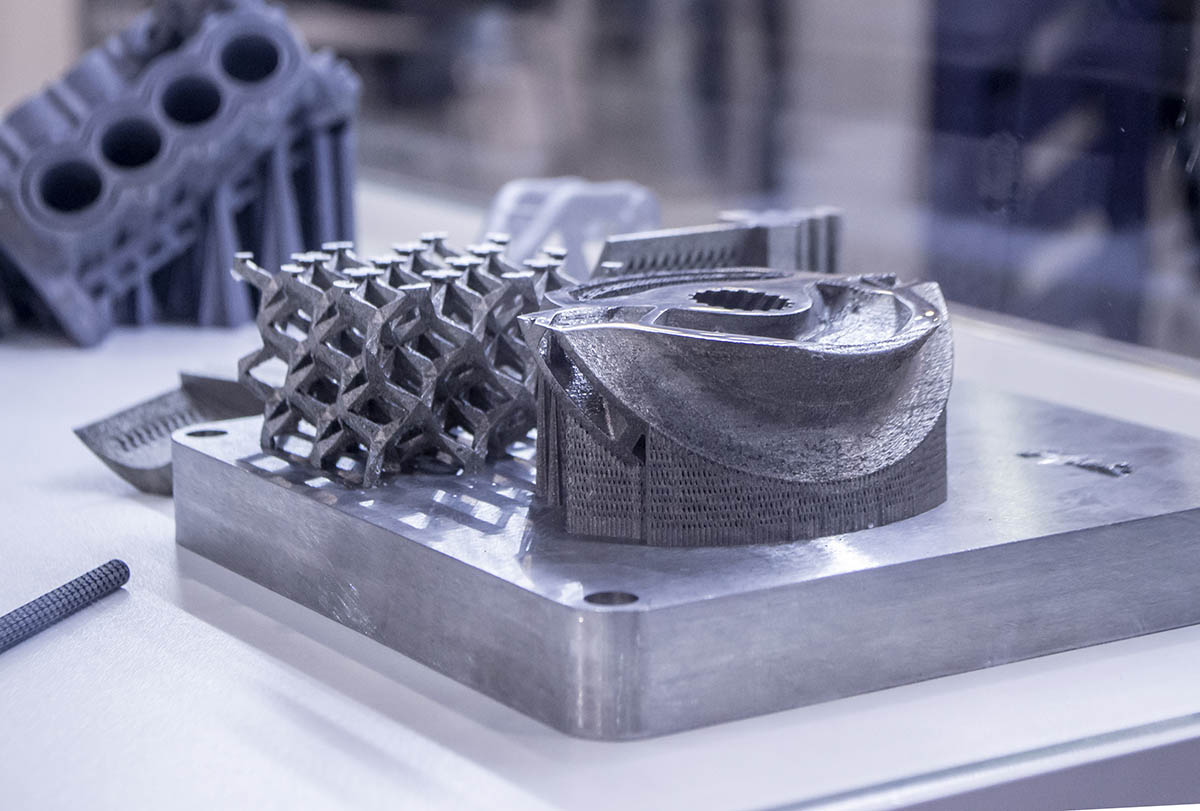
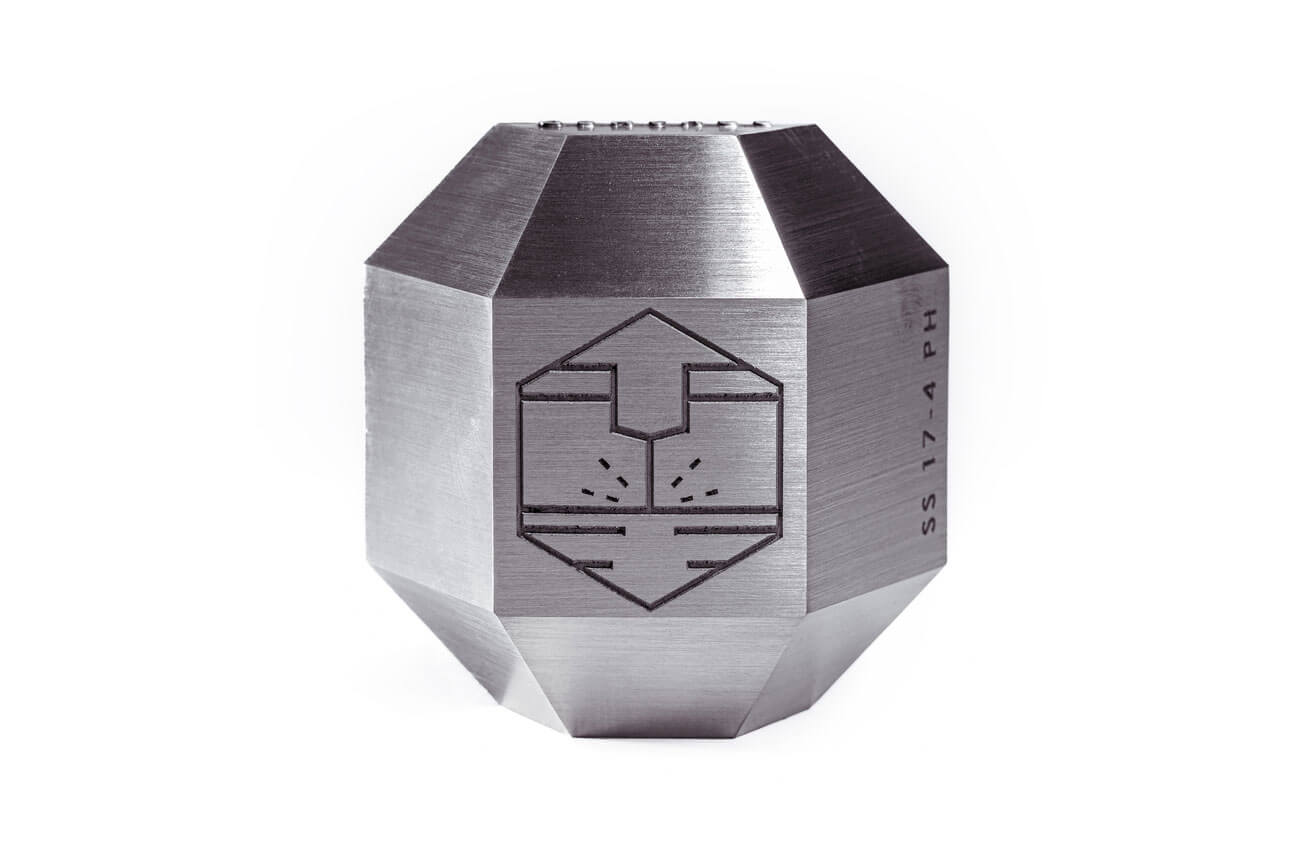
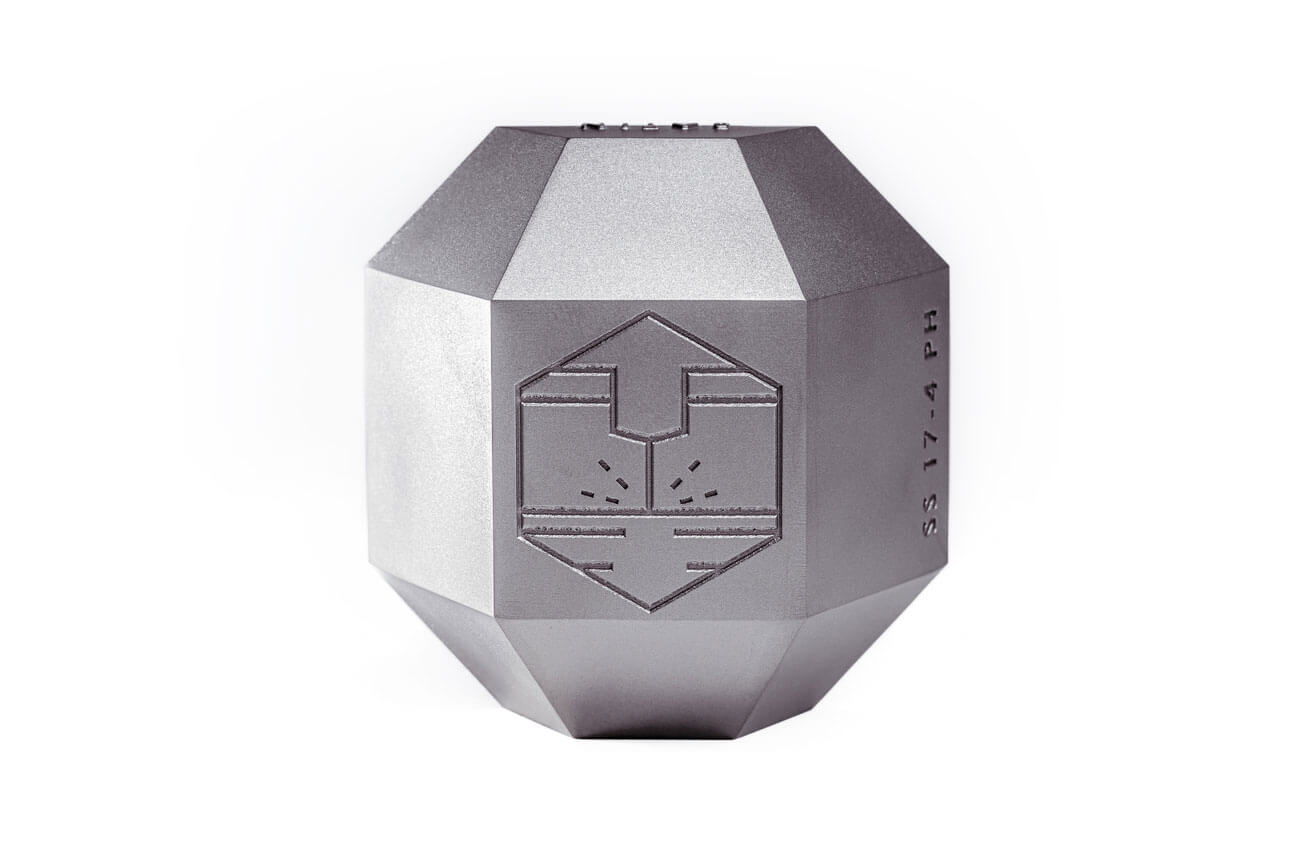
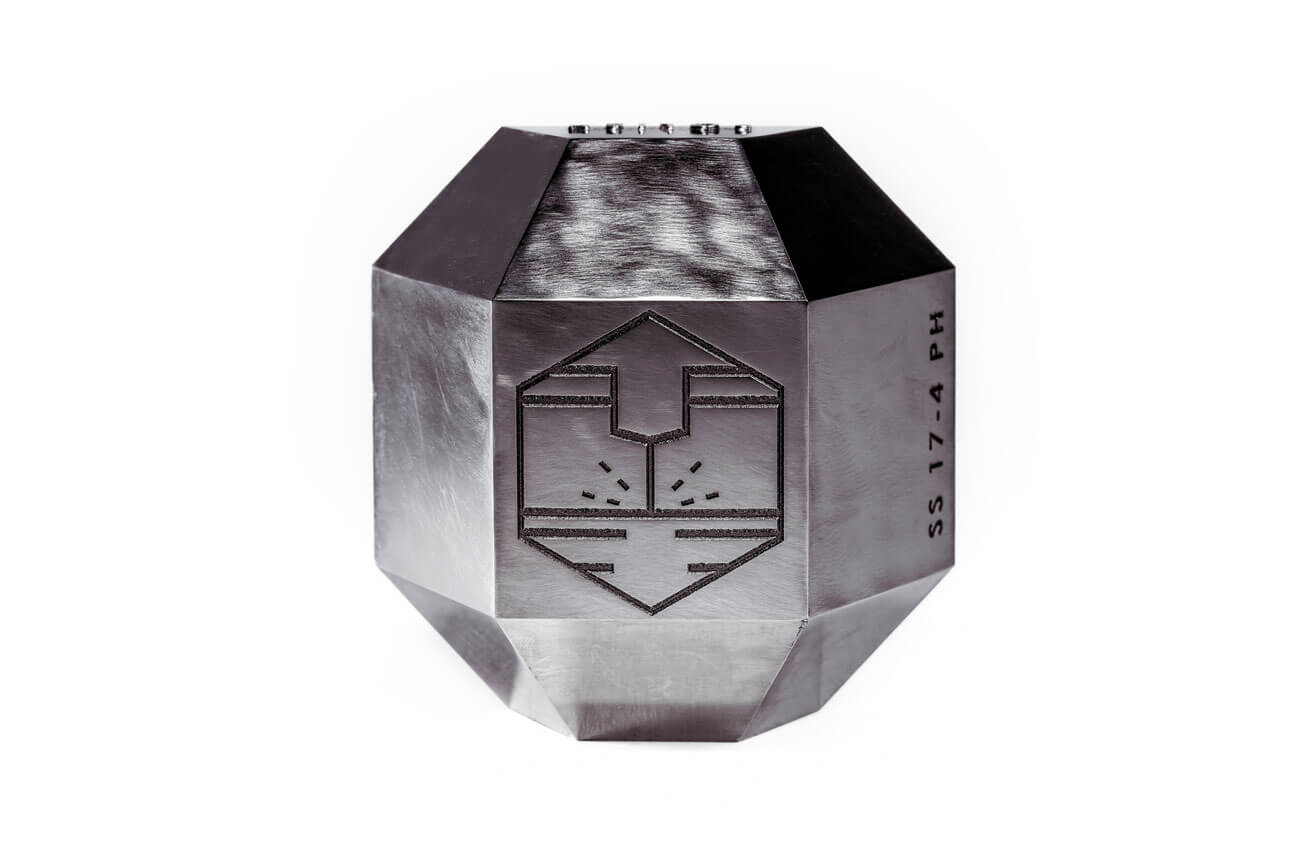
3d printed aluminum part
Aluminum (AlSi10Mg) is similar to a 3000 series alloy commonly used in casting and die casting. It offers a strong strength-to-weight ratio, along with excellent high temperature and corrosion resistance. This material also demonstrates good fatigue, creep, and rupture strength, as well as thermal and electrical conductivity. Final parts made from AlSi10Mg undergo a stress relief process to ensure optimal performance.
  • High strength and stiffness for weight ratio
  • Excellent thermal and electrical conductivity
  • Superior resistance to high temperatures and corrosion

Surface Finishing Options

Standard

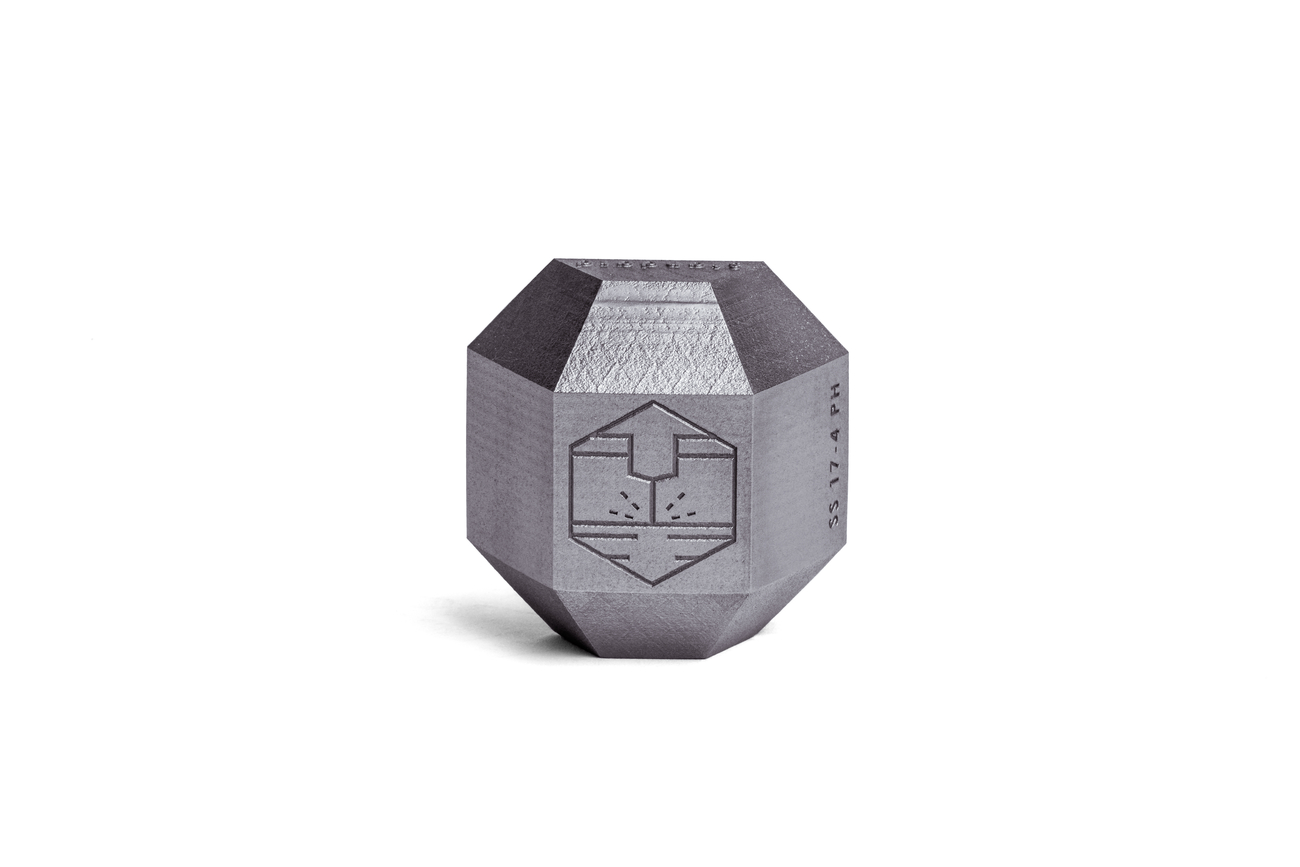
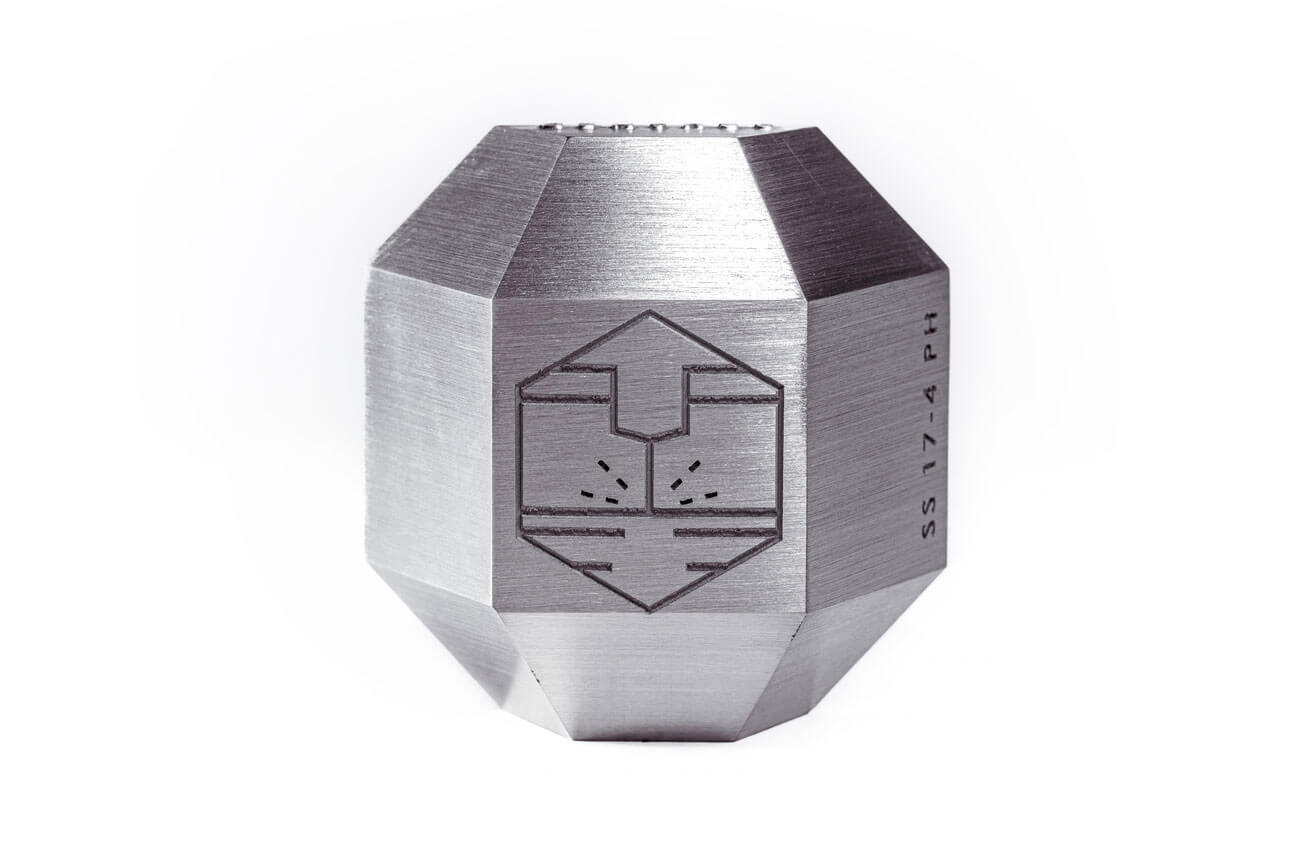
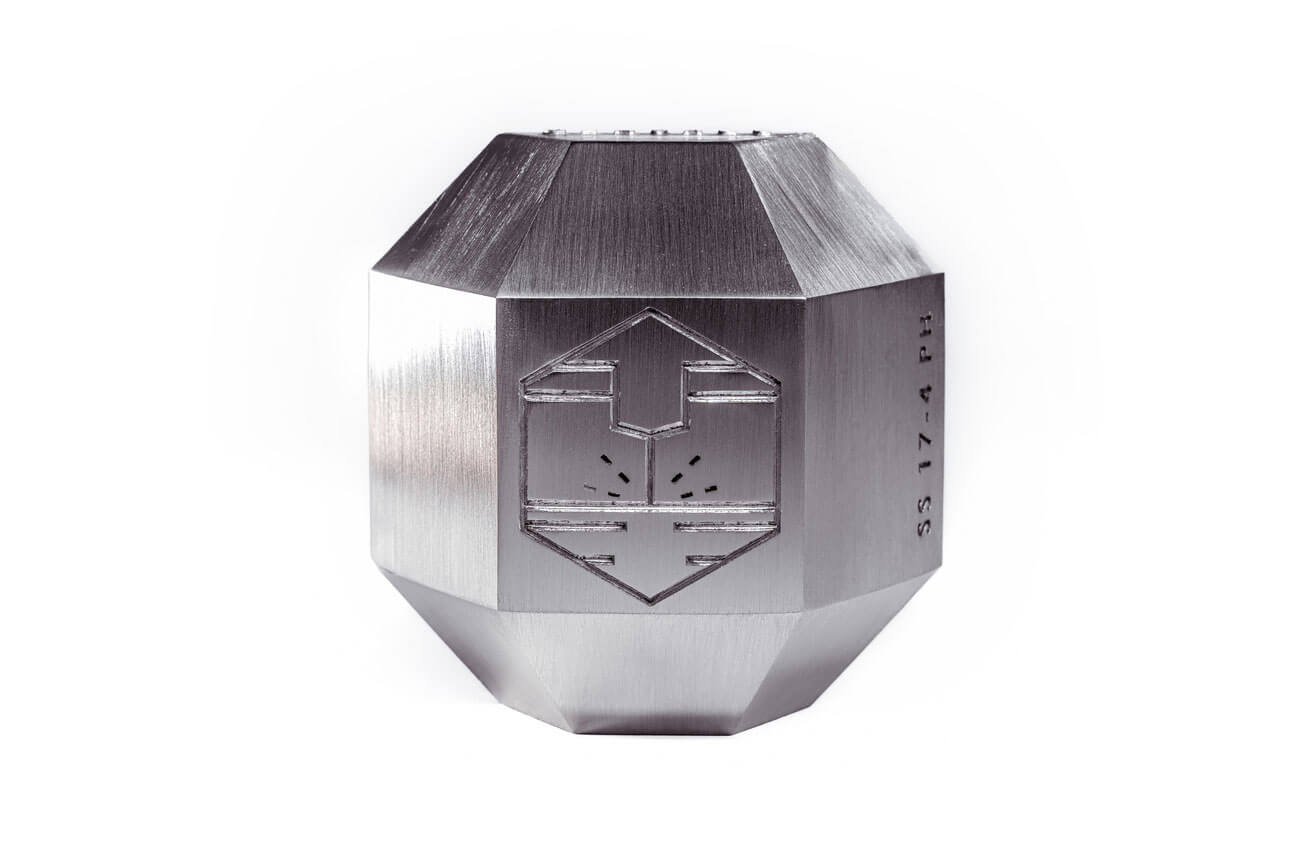
Brushed 150

Brushed 220

Brushed 400

Satin

Polished

Applications for 3D-Printed Aluminum

3D-printed Aluminum is ideal for producing lightweight, durable parts across industries such as aerospace, automotive, consumer electronics, and industrial equipment.

Automotive

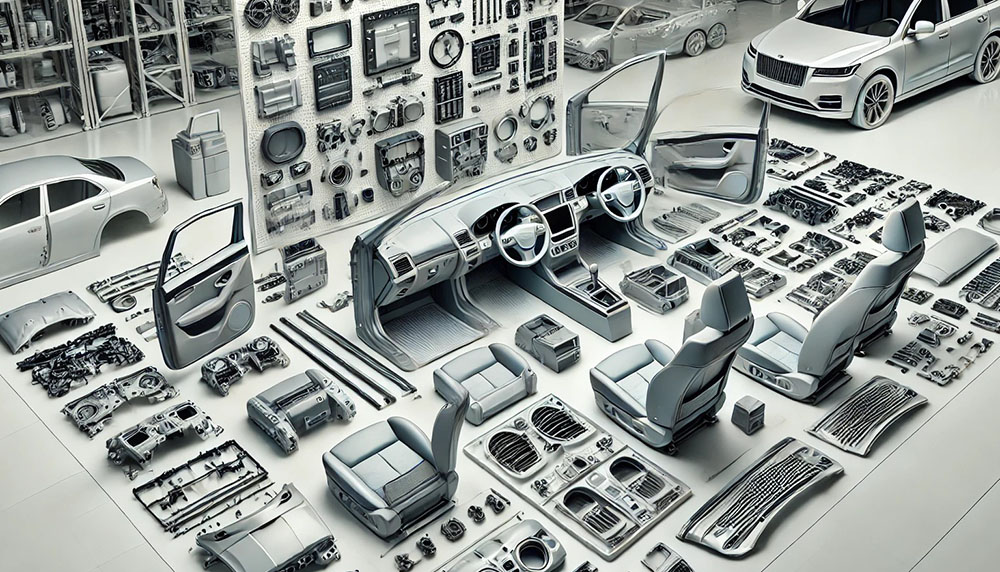
automatic car industry
  • Engine parts
  • Housings
  • Suspension components

Aerospace

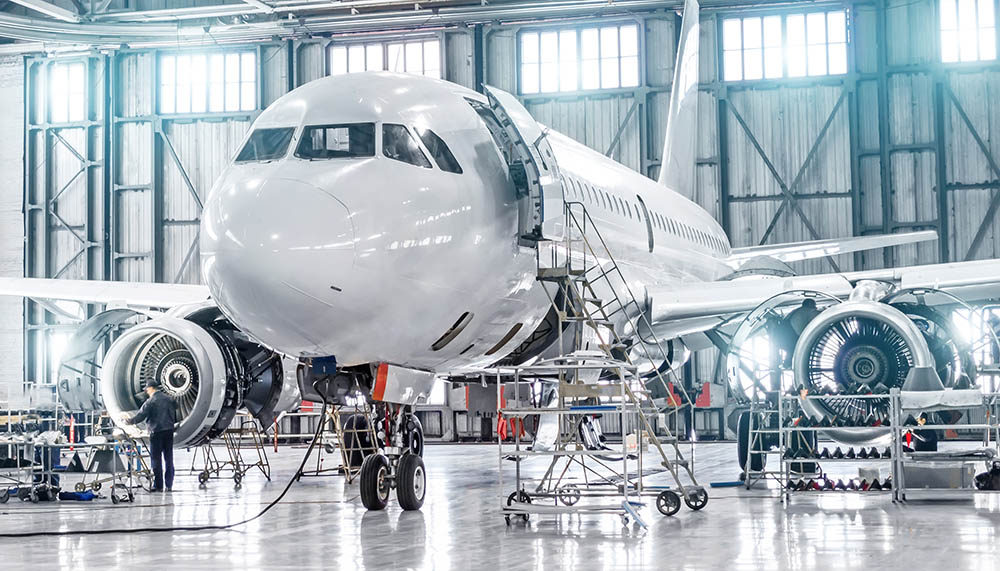
aerospace industry
  • Brackets
  • Heat exchangers
  • Structural components

Industrial Equipment

industrial equipment
  • Machine components
  • Custom tools
  • Prototyping parts

Consumer Electronics

home appliances using injection molds
  • Enclosures
  • Mounting brackets
  • Heat sinks

Dimensions of 3D-Printed Aluminum Part

The maximum part size and minimum feature size depend on the chosen resolution. 3D-printed aluminum is offered in high, normal, and large format resolutions.

ResolutionMetricUS
Maximum DimensionsHigh (20 μm)94mm x 98mm x 98mm3.7 in. x 3.8 in. x 3.8 in.
Normal (30 μm)330mm x 244mm x 244mm13.0 in. x 9.6 in. x 9.6 in.
Large Format (40 μm)500mm x 398mm x 800mm19.7 in. x 15.7 in. x 31.5 in.
Minimum Feature SizeHigh (20 μm)0.381mm0.015 in.
Normal (30 μm)0.762mm0.030 in.
Large Format (40 μm)0.381mm0.015 in.

Large Aluminum 3D-Printed Parts

Need large additive parts? Our large format 3D printer supports aluminum material and offers a build volume of 31.5 in. x 19.7 in. x 15.7 in. (800mm x 500mm x 400mm).

Frequently Asked Questions

FAQs question mark
Are Aluminum 3D-printed parts heat-resistant?2025-02-03T08:14:49+00:00

Yes, aluminum 3D-printed parts exhibit high temperature resistance, making them ideal for applications exposed to extreme heat, such as in aerospace and automotive sectors.

What are the advantages of Aluminum 3D printing?2026-01-29T09:22:12+00:00

Aluminum 3D printing (mainly referring to laser powder bed fusion technology, such as SLM/DMLS) offers significant advantages over traditional manufacturing methods and other 3D printing of metal materials in multiple aspects. It is particularly suitable for applications with high requirements for design, weight, efficiency, and materials. The main points can be summarized as follows.

1. Design freedom and structural optimization

  • Fabrication of complex geometries: Achieve complex features that traditional processes (such as casting and machining) cannot or are difficult to achieve, such as integral internal conformal cooling channels, topology-optimized structures, and lattice lattices.
  • Realize ultimate lightweighting: Through topology optimization and lattice filling, while ensuring mechanical performance, it is possible to achieve a 20%-50% weight reduction while maintaining or enhancing structural stiffness.

2. Excellent material properties and utilization rate

  • High strength-to-weight ratio: For common materials such as AlSi10Mg, the typical tensile strength of the printed state can reach 330-460 MPa, the yield strength is 215-365 MPa, and the density is approximately 2.7 g/cm³. The specific strength is high, making it an ideal choice for aerospace and automotive lightweighting.
  • High material utilization rate: The material utilization rate of powder bed processes is typically >95%. The unmelted powder can be sieved and reused, significantly reducing the waste of expensive metal materials and conforming to the concept of sustainable manufacturing.
  • Potential for new material development: By adding modification techniques such as nanoparticles (such as TiB₂), new types of aluminum alloys with unique performance combinations (such as high strength, high toughness, and high temperature resistance) can be developed, expanding the application boundaries.
How does KingStar Mold ensure the quality of Aluminum 3D-printed parts?2026-01-29T09:27:39+00:00

To ensure the quality of aluminum 3D printed parts (especially those produced using powder bed fusion technologies such as SLM/DMLS), KingStar implements systematic quality control throughout the entire process, including design, manufacturing, monitoring and inspection.

1. Pre-design and material control

  • Powder quality: Ensure the use of qualified metal powder. Thoroughly inspect the chemical composition, particle size distribution, fluidity, and oxygen content of each batch of powder.
  • Process parameter development and optimization: For specific materials (such as AlSi10Mg, 6061, etc.) and equipment, optimize core parameters such as laser power, scanning speed, layer thickness, scanning strategy, and energy density through an experimental system to maximize part density (up to 99.9% or more) and mechanical properties.

2. Printing process monitoring

  • Real-time closed-loop control and sensor monitoring: Use advanced equipment with a large number of sensors to monitor the molten pool state, powder bed powdering quality, oxygen content, temperature field, and optical alignment during the printing process, ensuring process stability and promptly warning of abnormalities.
  • Environmental and equipment stability control: Strictly control the atmosphere (such as argon purity), temperature, and humidity of the printing chamber, and regularly calibrate and maintain laser, optical systems, scrapers, etc.

3. Post-processing and heat treatment

  • Stress elimination and heat treatment: After printing, according to material and application requirements, perform necessary stress relief annealing, solid solution aging (T6) and other heat treatments to optimize the internal microstructure, eliminate residual stress, and enhance mechanical properties.
  • Support removal and surface treatment: Carefully remove the support structure and achieve the required dimensional accuracy and surface finish through CNC machining, sandblasting, polishing, etc.

4. Comprehensive quality inspection and testing

Internal defect detection: Use high-resolution non-destructive testing techniques such as industrial CT scanning and X-ray imaging to detect internal pores, cracks, incomplete fusion, etc., with spatial resolution reaching micrometer level.

  • Mechanical property testing: Take samples from the printing batch and conduct tensile, hardness, fatigue, etc. tests to verify whether the tensile strength, yield strength, elongation, etc. meet the standards (for example, the tensile strength of AlSi10Mg after treatment can reach 330-460 MPa).
  • Dimension and geometric accuracy inspection: Use three-coordinate measuring machines, laser scanners, etc. to detect whether the key dimensions are within the tolerance range (generally tolerance is ±0.2%).
  • Metallographic analysis: Through microstructure observation, evaluate the molten pool morphology, grain size, phase composition, and whether there are pores, cracks, etc.

5. Standardization and quality management system

  • Follow industry standards: Establish a complete process specification from design, data preparation, process to acceptance based on ISO/ASTM 52900 series and other additive manufacturing standards.
  • Establish traceability: Record and trace the printing parameters, powder batch, equipment number, operator information of each part to facilitate problem analysis and continuous improvement. 。
  • Systematic process control: Implement a complete closed-loop quality management process from physician prescriptions (in the medical field), data collection, design, production to final product inspection, ensuring that there is a basis for each step.
What industries benefit from Aluminum 3D printing?2025-02-03T08:09:39+00:00

Aluminum 3D printing is widely used in aerospace, automotive, energy, and consumer electronics industries, enabling the production of lightweight, durable, and functional parts.

How does Aluminum 3D printing compare to traditional manufacturing?2026-01-29T09:16:00+00:00

Aluminum 3D printing (typically referring to laser powder bed fusion/LPBF, or Selective Laser Melting/SLM) differs fundamentally from traditional manufacturing methods (such as CNC machining, casting, and forging) in terms of technical principles and application scenarios.

Firstly, from a technical perspective, 3D printing with aluminum falls under additive manufacturing (for example, SLM uses layer-by-layer melting of metal powder and cooling to form the final product). Most traditional manufacturing methods, on the other hand, belong to subtractive manufacturing, where excess materials are removed through methods such as cutting. Therefore, 3D printing is suitable for more complex structures, while traditional manufacturing is more cost-effective and thus suitable for the mass production of simple geometric shaped components. For the same reason, the design flexibility of aluminum 3D printing is extremely high. It can create internal channels, lattice structures, integrated components, and achieve topological optimization and lightweighting. However, traditional manufacturing is limited by the accessibility of tools and the parting lines of molds, making it difficult to achieve complex internal cavities and integrated structures.

The types of aluminum used in these two manufacturing methods are also different. 3D printing uses common casting-grade aluminum alloys such as AlSi10Mg. The typical mechanical properties (in the printed state) are:

  • Tensile strength: 330 – 460 MPa
  • Yield strength: 215 – 365 MPa
  • Elongation at break: 4 – 10%
  • Density: ≥ 99%

After heat treatment (e.g. T6): The strength can be further increased to 400 – 460 MPa.

Traditional manufacturing usually employs deformation aluminum alloys such as 6061 and 7075. The typical mechanical properties (taking 6061-T6 as an example) are:

  • Tensile strength: -310 MPa
  • Yield strength: -276 MPa
  • Elongation: -12%

The performance of casting parts is usually lower than that of forged parts or machined parts.

In certain circumstances, the strength of 3D-printed aluminum alloys (such as AlSi10Mg) has already matched or even exceeded that of some traditional cast aluminum alloys, but anisotropy needs to be taken into account. Traditional forged or rolled aluminum materials may have better toughness and fatigue performance.

In terms of dimensional accuracy and surface roughness, CNC machining typically outperforms 3D printing: The typical accuracy of 3D printed components is ±0.1mm, and for some high-precision equipment, it can reach ±0.05mm. The surface roughness is mostly in the range of Ra 2-10 μm, as the unprocessed surface is prone to powder adhesion and layer lines; while the typical accuracy of CNC machined parts can reach 0.01mm or higher, with a surface roughness of Ra < 0.8 μm, achieving a mirror-like effect.

However, the material utilization rate of 3D printing is significantly higher than that of CNC, reaching over 95%. The powder can be basically recycled for reuse, while CNC processing generates a large amount of chips. The production cycle of 3D printing is also significantly faster than that of CNC. From a digital model to a prototype part, it only takes a few hours to a few days. There is no mold cost, so it is highly suitable for prototype verification, small batch production or customized manufacturing.

What is the maximum size of aluminum parts that KingStar Mold can print?2025-02-03T08:08:32+00:00

KingStar Mold’s large format 3D printer can produce aluminum parts up to 31.5 in. x 15.7 in. x 19.7 in. (800mm x 400mm x 500mm), accommodating a wide range of industrial applications.

Go to Top