ABS resin is a copolymer of three monomers, acrylonitrile (A), butadiene (B), and styrene (S). It is a typical multiphase and multi-component polymer material with excellent comprehensive properties. ABS resins hold excellent electrical properties and ease of molding and processing of styrene, while also increasing strength (the characteristics of butadiene), elasticity, corrosion resistance (the characteristics of acrylic grease) and heat resistance. It also has high surface hardness and strong chemical resistance. By changing the ratio of these three components, various properties of ABS could be changed. Therefore, ABS resin has a variety of applications, mainly used in industries such as machinery, textile, electrical, automotive, and shipbuilding. In recent years, with the development of home appliances, electronic products, and the automotive industry, the consumption of ABS resin has shown a rapid growth trend both domestically and internationally.
KingStar, as a leading company in plastic injection molding, we don’t just mold plastics—we engineer possibilities. We now invite you to explore the precision and potential of ABS profile extrusion technology.
China is the world’s largest consumer of ABS resin. Since the 1980s, the consumption of ABS resin in China has grown rapidly, with an annual consumption of over 1.2 million tons in recent years. According to industry experts, the application areas of ABS products will be further expanded in the future, and their market demand potential is enormous.
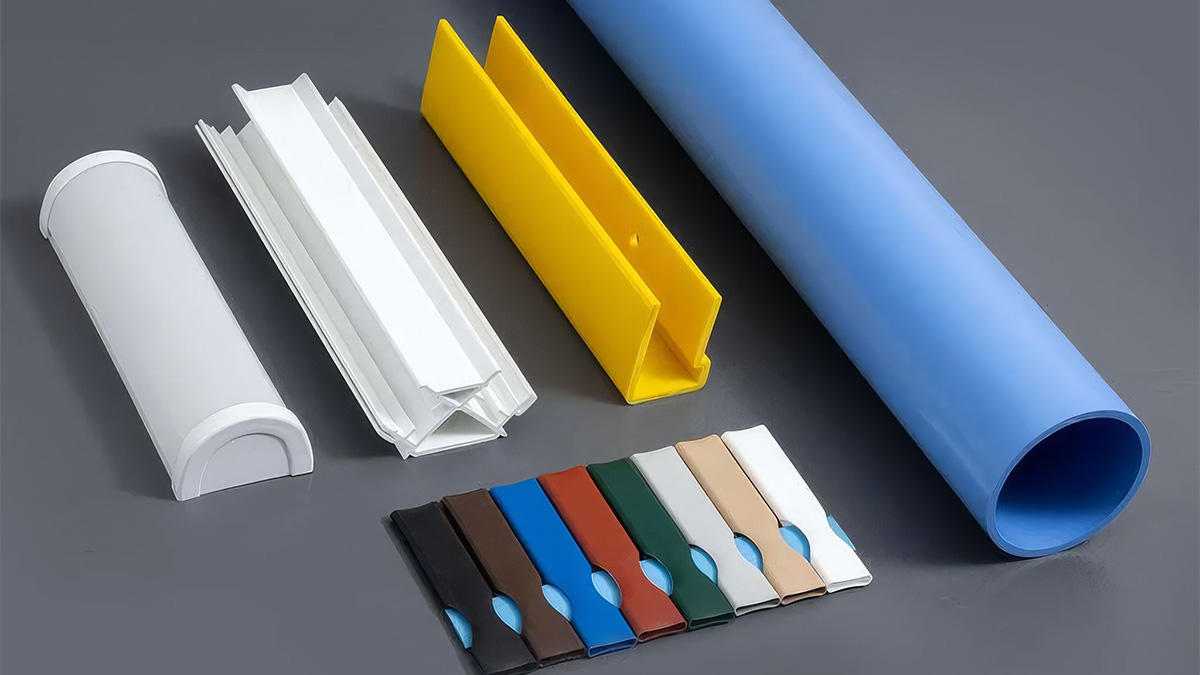
ABS products are mainly divided into three types according to processing methods: injection molding, extrusion, and thermoforming. In the early days, due to the scarcity of extrusion-grade ABS resin, most ABS products were produced through injection molding and thermoforming. With the successful development and widespread application of extrusion-grade ABS resin, the proportion of ABS extrusion-grade products in ABS products is increasing. At present, the extrusion theory of ABS and the extruders and molds used for ABS materials have become very mature abroad. However, research in this area started relatively late in China, and extrusion grade ABS resin was initially mainly used in various types of pipes. Rapid development of China’s automotive and home appliance industries has greatly promoted the use of domestic extrusion-grade ABS resin.
2. What Are ABS Resin’s Molding and Processing Performance?
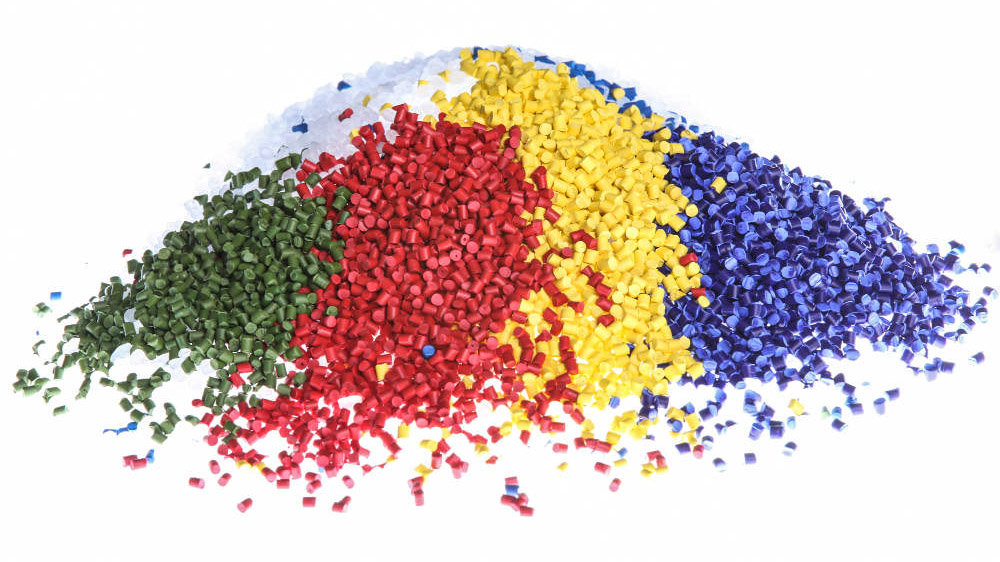
ABS resin has good molding and processing performance, with high surface roughness grade and good dimensional stability. The shrinkage rate is in the range of 0.4% to 0.5%, and there is rarely shrinkage after plasticization.
ABS resin is an amorphous polymer. Its glass transition temperature (Tg) is 90-100℃, viscous flow temperature (Tf) is 160-170℃, and decomposition temperature (Td) is 230-250℃. Therefore, it has a wide processing temperature range (i.e. viscous flow region). ABS is a non Newtonian fluid in its molten state, and its melt viscosity is related to both processing temperature and shear rate, but is more sensitive to shear rate.
ABS melt viscosity is higher than that of polyvinyl chloride (PVC), but lower than that of polyethylene (PE) and polystyrene (PS), with good fluidity and easy extrusion molding. ABS melt has good ductility and is suitable for vacuum adsorption molding.
3. What to Notice When Design ABS Profile Extrusion Mold?
3.1 Extrusion Die Design
The main function of the extrusion die is to continuously and uniformly convert the cylindrical melt provided by the extruder into a well plasticized parison as required by the cross-sectional view of the product. The flow channel is divided into four areas according to different functions: divergence, distribution, compression, and forming. It consists of several template plates connected in series.
The design of extrusion die should follow the following principles:
(1) Adopt a streamlined, long channel die structure, the size design of the channel system.
- Die Land Gap = Product Wall Thickness × (0.95 ~ 1.0)
- Die Swell Ratio = 1.01 ~ 1.05
- Land Length : Die Land Gap = 25 ~ 38
- Compression Ratio = 2.8 ~ 3.5
- Compression Angle = 10° ~ 15°
(2) The roughness (Ra) of the cavity and core forming surface of each template is ≤ 0.2 μm, and the transition is smooth, without dead corners, steps or other defects, to avoid stagnation, rupture or even decomposition.
(3) Set up flow distribution ribs at the intersection of flow channels, or use a “multi-cavity independent feeding system” in the distribution section to reduce mutual interference between material flows and stabilize the flow.
(4) Ensure all template plates connect tightly and reliably, are easy to disassemble, and safe to use.
3.2 Design of Cooling and Forming System for Extrusion Mold
The cooling and shaping system of the extrusion mold adopts a dry wet combination shaping method.
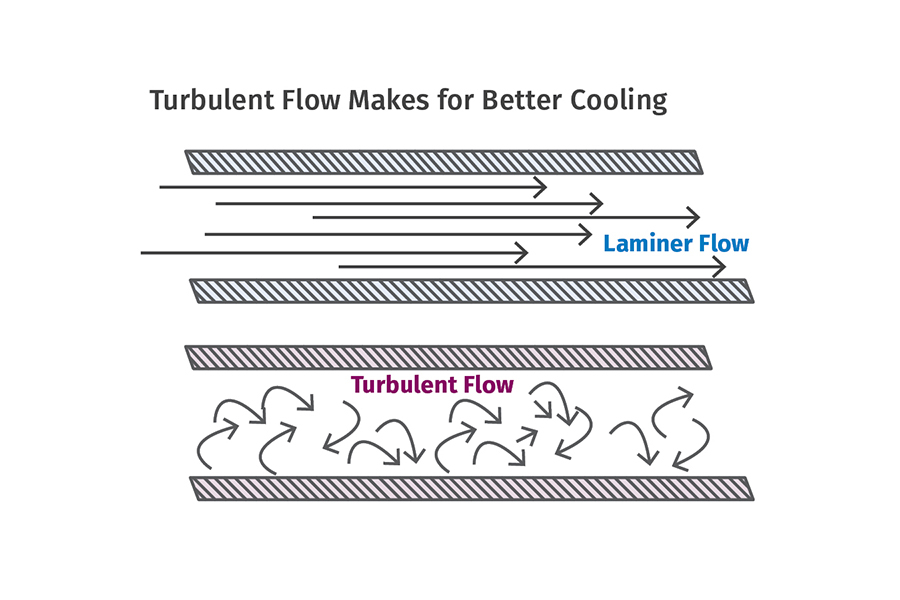
Dry type shaping molds determine their length based on the thickness and cross-sectional area of the product, as well as the complexity of the product. And they are usually shorter than PVC profile shaping molds. Dry shaping mold adopts dry vacuum adsorption shaping, and the cavity surface of the shaping model is processed with vacuum slots. The vacuum slots should be set densely to enhance the vacuum adsorption effect. Each vacuum slot corresponds to the processing vacuum hole connected to the equipment’s vacuum system. Cooling water channels of the fixed mold is longitudinally arranged along the cavity surface, using a centralized water supply and separate water outlet method to enhance the cooling effect.
Calibrator Cavity Dimension = Product External Dimension × (1.005 ~ 1.008)
4. ABS Profile Extrusion Molding Process
(1) Drying of Raw Materials
ABS resin has a is somewhat moisture hygroscopic, with a moisture content generally ranging from 0.3% to 0.8%. Before processing, it requires drying. Generally, drying ABS resin at a constant temperature of 80-85 ℃ for about 4 hours is sufficient. The moisture content after drying should be less than 0.2%. If the drying is insufficient, the surface of the product may show blemishes, splay marks, or bubbles. If the drying time is too long or the drying temperature is too high, it will cause resin clumping and yellowing of the product.
(2) Equipment
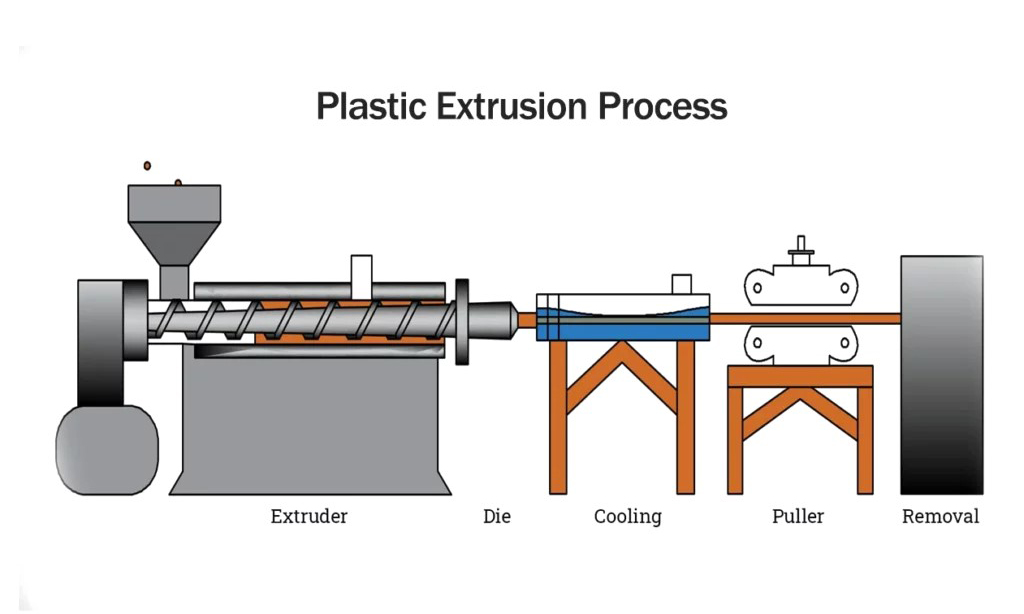
Using a single screw extruder for extrusion. The length to diameter ratio (LID) of the screw is 18-22, and the compression ratio is 2.5-3. The extruder hopper can be equipped with a drying preheating device, and the barrel can adopt a venting structure.
(3) Temperature of Extruder Barrel & Die Head
Under normal extrusion conditions of the extruder, the barrel temperature is 160-180 ℃ and the head temperature is 175-185 ℃. Excessively high temperatures improve melt flowability but can cause significant and unstable extrusion fluctuations, making it difficult to ensure product quality. Excessively high temperature can also cause degradation of raw materials. The temperature of the connector is generally 5 ℃ lower than or at the same temperature as the homogenization section of the screw head. This temperature determines flowability of the raw materials. If too high, the raw materials are prone to degradation and discoloration, and extrusion fluctuates. Low temperature can easily block the vent port, reduce vacuum degree and the cause bubbles on the extruded profile surface.
(4) Control of Cooling Conditions
The parison extruded from the die head requires timely, appropriate cooling methods and suitable cooling water temperatures for sizing to obtain ideal products. The ideal cooling water temperature during the extrusion process of ABS profiles is 14-18 ℃, and the effective water pressure should be greater than 0.2 MPa. In the production process, if the temperature of the cooling water is too high or the water pressure is too low, and the water flow rate is too small, causing the temperature of the profile to be too high or even deformed after being molded, the extrusion speed should be appropriately reduced to ensure the cooling time. If the cooling water temperature is too low, sudden cooling will occur, which can easily cause residual internal stress inside the profile, resulting in post-extrusion during natural storage, or causing excessive traction resistance or even surging.
The shaping vacuum degree should be maintained at 0.075-0 01MPa. Low vacuum degree in shaping can lead to insufficient adsorption force on the billet, resulting in severe deformation or failure to form, which cannot guarantee the appearance quality and dimensional accuracy, resulting in defective products. Excessively high vacuum degree in shaping can increase traction load, sometimes even cause traction surging, and shorten the service life of the vacuum pump.
Conclusion
ABS profile extrusion is a systematic engineering that integrates raw materials, equipment, molds, and processes. Currently, the market is flooded with ABS resins from different manufacturers and grades. Due to differences in production methods and monomer components, the processing performance, mechanical properties, and various physical and chemical indicators of ABS resins from different manufacturers and grades vary greatly. It is necessary to choose the appropriate ABS resin according to the requirements of profile use in order to fundamentally ensure satisfactory profiles.
Companies must improve the functionality of their products, meet the diverse requirements of various industrial sectors for product performance through various methods, reduce product costs, and enhance technical content and market competitiveness. As a mold manufacturer, it is necessary to keep up with the pace of the market, constantly pay attention to market dynamics and development trends, meet market demands, and constantly develop new products and technologies in order to maintain healthy development.
KingStar, a reliable custom ABS extrusions manufacturer, we specialize in turning innovative designs into high-quality, competitive ABS extrusions. Ready to engineer excellence together, please feel free to contact KingStar at sales@kingstarmold.com at any time. We will promptly reply to you within 24 hours.