In the production process of ABS injection molding, defects such as brittleness, bubbles, poor surface gloss, and flow marks are very common. They not only affect the appearance of the product, but also significantly reduce the mechanical properties and service life of the product, directly affecting production efficiency and product qualification rate. Many practitioners are prone to the misconception of “blindly adjusting parameters” when encountering such problems, which can actually exacerbate the defects. We are often consulted by engineers in the industry about “how to solve the brittleness problem in ABS injection molding?” As a leading plastic parts manufacturer, we have compiled this document to help relevant professionals.
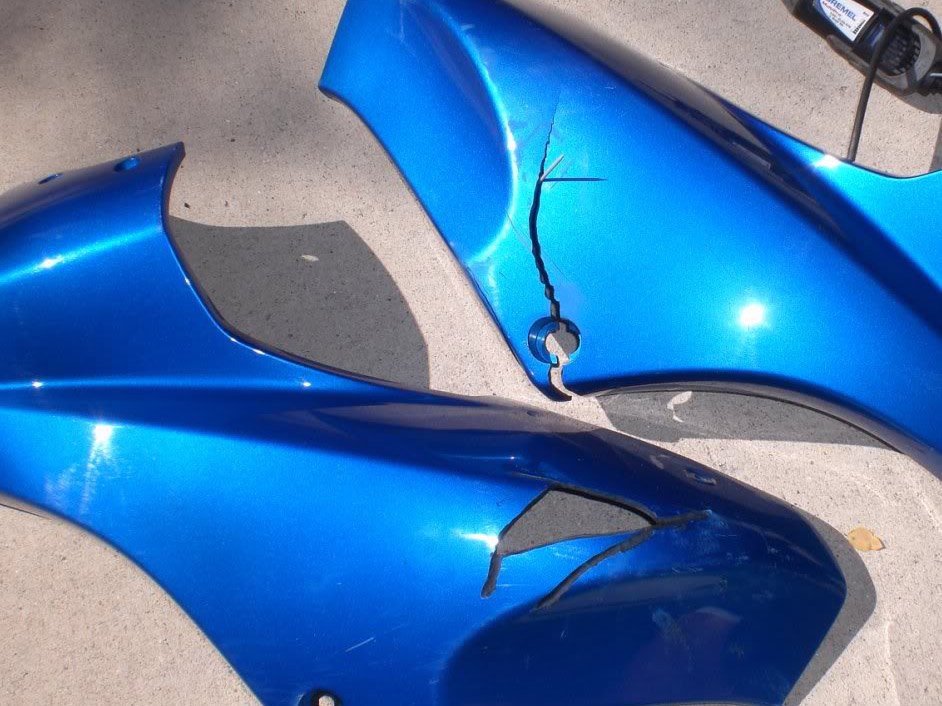
The brittleness of ABS injection molded products is mainly caused by excessive internal stress, which is also related to various factors such as equipment, molds, and processes. It can be divided into the following five categories, each with corresponding solutions for easy on-site debugging.
1.1 Equipment Factor
- Dead corners and obstacles in the barrel: This can cause uneven residence time of the molten material in the barrel, leading to local overheating and degradation, damaging the ABS molecular chain structure, and ultimately making the product brittle.
- Solution: Regularly disassemble and clean the barrel and screw, check the wear of the screw and barrel, and replace damaged parts in a timely manner; Before production, do a good job of cleaning the machine to avoid mixing plastic residues of different materials.
- Mismatch between machine plasticizing capacity and production requirements: ① The plasticizing capacity is too small, and the ABS plastic is not heated and sheared for enough time in the barrel, resulting in insufficient plasticization and uneven composition of the melt. After molding, the product has insufficient toughness and is prone to brittle cracking; ② The plasticizing capacity is too large, and the molten material stays in the barrel for too long. Repeated heating and shearing lead to aging and degradation, and the product becomes brittle and prone to fracture.
- Solution: Choose an injection molding machine that matches the plasticizing capacity based on the size and weight of the product; If the equipment is fixed, the screw speed and back pressure can be adjusted to optimize the plasticization time and avoid insufficient plasticization or excessive aging.
- Abnormal ejection device: The ejection device is tilted, unbalanced, or the cross-sectional area of the ejection rod is too small and distributed improperly, which can lead to uneven force distribution during ejection of the product, local stress concentration, and ultimately brittleness and cracking (especially for thin-walled and complex products).
- Solution: Calibrate the ejection device to ensure its balance and verticality; Increase the cross-sectional area of the top rod, optimize the distribution of top rods, and avoid excessive local stress; If necessary, increase the ejection buffer to reduce the impact during ejection.
1.2 Mold Factor
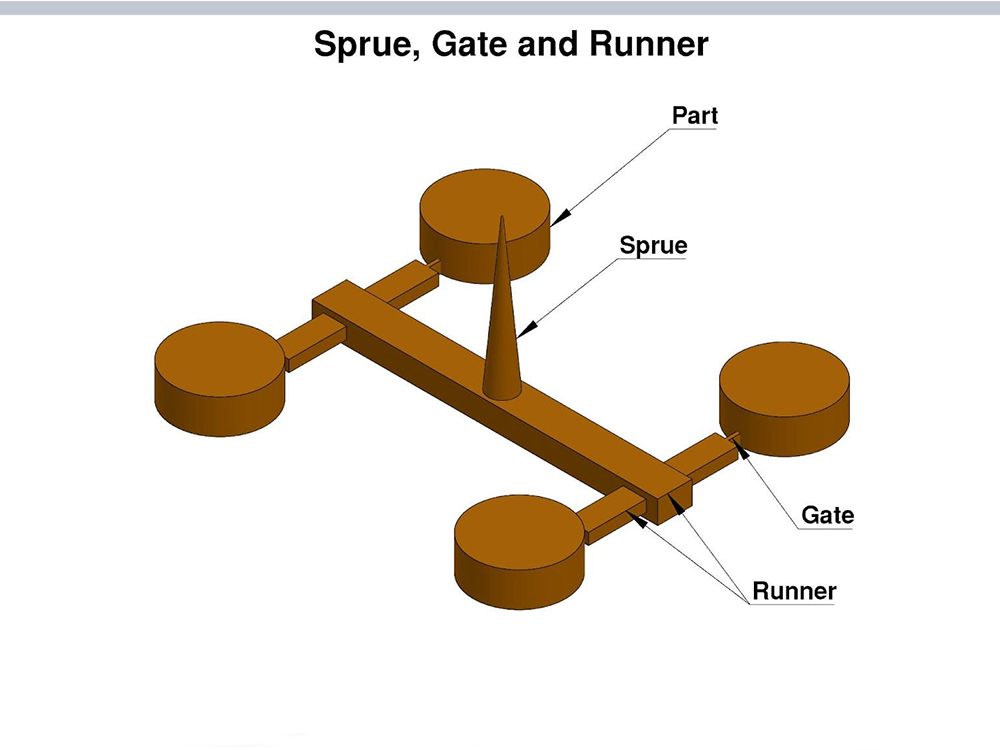
- Small gate size: A small gate size can cause excessive resistance and increased shear stress when filling the mold with molten material. At the same time, the molten material flow rate is too fast and the cooling is uneven, which can easily generate internal stress and cause brittleness. In addition, small gates can also lead to insufficient filling, poor local density, and decreased toughness.
- Solution: Increase gate size appropriately according to the product size. If the structure of the product restricts gate size, add an auxiliary gate to disperse the filling pressure and reduce stress concentration.
- Poor runner design: If the runner is too small, too long, or configured unevenly, it will cause excessive pressure loss and rapid temperature drop in the runner, resulting in poor plasticization effect. At the same time, uneven filling of various mold cavities will generate internal stress, causing the product to become brittle.
- Solution: Optimize runner design, increase the cross-sectional area, shorten the length, and ensure runner is balanced and reasonable. For multi cavity molds, it is important to adjust the runner layout to ensure consistent filling speed and pressure for each cavity.
- Poor mold structure: Uneven mold cooling system, poor venting, or unreasonable demolding slope in the mold cavity and core can lead to abnormal injection molding cycle (such as too long/too short cooling time, difficult demolding), accumulation of internal stress in the product, and subsequent brittleness.
- Solution: Optimize the mold cooling system to ensure even cooling and avoid local hot/cold spots. Add venting slots (especially at weld lines and blind spots) to promptly exhaust the air inside the mold cavity. Set a reasonable demolding slope (usually 1°-3°) to reduce ejection resistance.
1.3 Process Factor
- Unreasonable temperature parameters: ① The temperature of the barrel and nozzle is too low, resulting in insufficient plasticization of the molten material, poor flowability, increased internal stress during mold filling, and brittle products; ② If the ABS material itself is prone to degradation (such as a high proportion of recycled materials), excessive temperature will accelerate degradation, which can also cause the product to become brittle.
- Solution: Adjust the temperature of the barrel and nozzle to a reasonable range according to the ABS raw material model (such as universal grade, heat-resistant grade) (generally barrel temperature is 200-240 ℃, nozzle temperature is 210-250 ℃); If the material is prone to degradation, the temperature of the latter half of the barrel can be appropriately reduced to shorten the residence time of the molten material.
- Improper screw plasticization parameters: Excessive back pressure and speed of screw pre plasticization can cause the melt to be subjected to strong shear, resulting in local temperature rise, thermal degradation, damage to molecular chains, and brittleness of the product; If the back pressure is too low and the speed is too slow, the plasticization is not sufficient, which also affects the toughness.
- Solution: Reduce the back pressure and speed of screw pre plasticization to make the melt slightly loose and reduce degradation caused by shear overheating; At the same time, to ensure sufficient plasticization, parameters can be adjusted by observing the state of the melt (uniform, no clumping, no yellowing).
- Improper mold temperature control: ① If the mold temperature is too high, it is difficult to eject the product, and excessive stress is generated during ejection. Insufficient cooling leads to uneven shrinkage and brittleness. ② The mold temperature is too low, and the molten material rapidly cools after coming into contact with the mold cavity. The weld line fusion is poor, and the molecular chains cannot fully integrate. The product is prone to cracking and brittleness (especially thick walled products and high melting point modified ABS).
- Solution: Adjust the mold temperature to a reasonable range (generally 40-80 ℃) based on the thickness and structure of the product. Raise the mold temperature appropriately for thick walled products and lower the mold temperature appropriately for thin-walled products to ensure uniform cooling and good weld line fusion.
- Ejection and insert issues: Demoulding and embedding issues: ① The demoulding slope of the cavity and core is too small, which makes demoulding difficult. Forcefully ejecting them will cause internal stress in the product, leading to brittleness and cracking; ② When the core is difficult to demold, failure to adjust the cavity temperature and cooling time in a timely manner exacerbates stress accumulation; ③ Excessive use of metal inserts, especially plastics with high specific heat and cold capacities such as ABS, can result in significant differences in shrinkage rates between the inserts and plastics, leading to stress and brittleness of the product after molding (especially for brittle plastics such as polystyrene).
- Solution: Optimize the demolding slope. When the core is difficult to demold, increase the cavity temperature and shorten the cooling time; When the mold cavity is difficult to demold, reduce the mold cavity temperature and extend the cooling time; Minimize the use of metal inserts as much as possible. If necessary, preheat the inserts (preheating temperature close to mold temperature) to reduce shrinkage differences.
1.4 Material Factor

- Insufficient purity of raw materials: ABS raw materials mixed with other impurities (such as different materials of plastics, dust, oil stains), or mixed with inappropriate or excessive solvents and additives (such as stabilizers and plasticizers), can damage the uniformity of ABS molecular chains, reduce product toughness, and lead to brittleness.
- Solution: Select ABS raw materials with qualified purity to avoid mixing plastics of different materials. Strictly control the types and amounts of additives, and select additives that are compatible with ABS. Before using the raw materials, screen and clean to remove impurities and oil stains.
- Raw material moisture: When ABS plastic is heated in a damp state, it will undergo catalytic cracking reaction with water vapor, damaging the molecular chain structure and causing significant strain, leading to brittleness and cracking, accompanied by bubble defects.
- Solution: Before using ABS raw materials, they need to be dried (generally at a drying temperature of 80-100 ℃ and a drying time of 2-4 hours) to ensure that the moisture content of the raw materials is below 0.2%. The dried raw materials should be sealed and stored to avoid further moisture.
- Improper use of recycled materials: Excessive regeneration of ABS recycled materials or high content of recycled materials can lead to molecular chain breakage, molecular weight reduction, and significant decrease in toughness. In addition, if the recycled material is heated in the barrel for too long, it will accelerate aging and cause brittle parts.
- Solution: Control the proportion of recycled materials used (generally not exceeding 30%) and avoid using raw materials that have been recycled too many times. When mixing recycled materials with new materials, it is necessary to stir them thoroughly and evenly. Optimize process parameters to shorten the residence time of the melt in the barrel.
- Poor quality materials: Some ABS materials have a large molecular weight distribution and contain uneven structural components such as too many rigid molecular chains, or are contaminated by other plastics, poor additives, dust impurities, which can cause the products to become brittle. Even if the process is adjusted reasonably, it is difficult to improve.
- Solution: Choose ABS materials with reliable quality and uniform molecular weight distribution, and prioritize materials produced by well-known manufacturers. Inspect materials to avoid the use of contaminated and deteriorated materials.
1.5 Part Design Factor
- Stress concentration points in the product: The product design has sharp corners, notches, or areas with significant thickness differences, which can cause stress concentration during molding. The internal stress cannot be effectively released, resulting in brittleness and cracking (especially at sharp corners and notches).
- Solution: Optimize product design by changing sharp corners and notches to radii (with a minimum radius of 0.5mm). Try to make the thickness of the product uniform. If a structure with significant thickness differences needs to be designed, a transition section can be set up to reduce stress concentration.
- The product design is too thin or has too many hollows: The thickness of the product is too thin, making it difficult to fill the mold with molten material during molding, cooling too quickly, insufficient molecular chain bonding, insufficient toughness, and easy brittleness; Excessive hollowing can lead to a decrease in the structural strength, as well as uneven stress distribution during molding, exacerbating brittleness.
- Solution: On the premise of not affecting the functionality of the product, increase the thickness of the product appropriately (generally, the minimum thickness of ABS products is not less than 0.8mm); Optimize the hollow design, reduce the number and area of hollow spaces. Add ribs if necessary to enhance structural strength and toughness.
Pill Cutter Splitter Multifunctional 2-in-1 Storage Case Unit Price: $0.46-0.58
Weekly Pill Box Storage Organizer 3 Times a Day Medication Case Unit Price: $1.89-2.07
2. Bubbles in ABS Injection Molded Parts
2.1 Core Causes of Bubbles
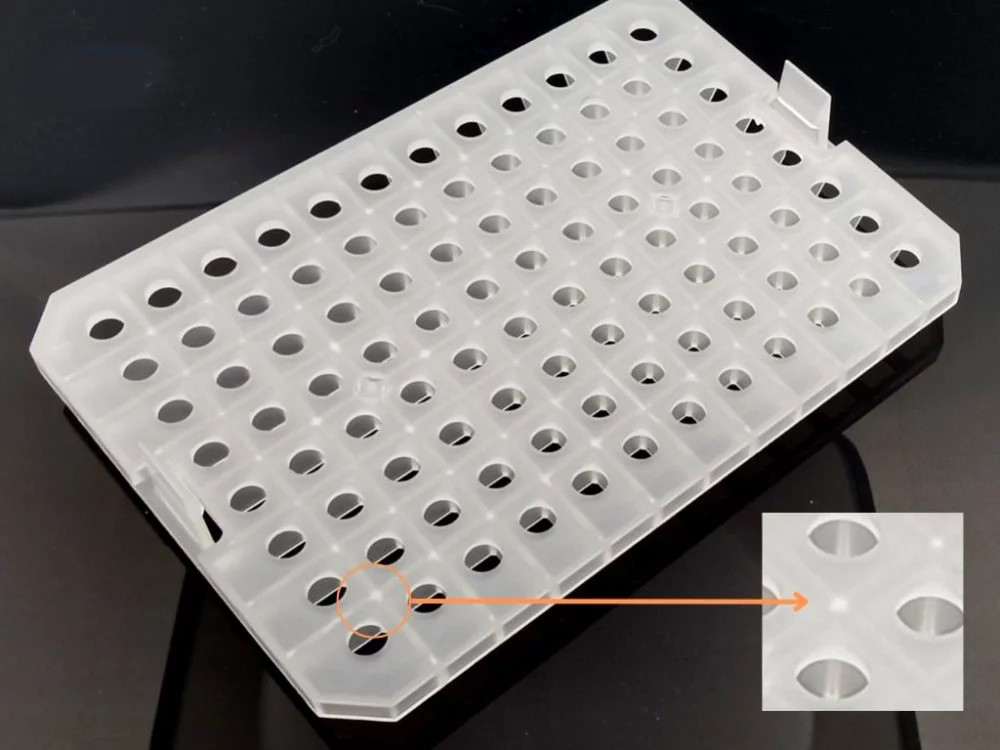
The gas in bubbles is very thin and essentially in a vacuum state, which is different from gas interference (such as air and moisture): If bubbles appear at the moment of mold opening, it is mostly a problem of gas interference. If bubbles appear inside the product and later on, it is a vacuum bubble. The core reason for the formation of vacuum bubbles is insufficient filling of molten material and low injection pressure. Under the rapid cooling effect of the mold, the molten material in contact with the mold cavity rapidly condenses and shrinks, causing the internal molten material cannot replenish volume loss, creating vacuum bubbles.
2.2 Solutions of Bubbles
- Improve injection energy: Appropriately increase injection pressure, speed, time, and molten material dosage, while increasing screw plasticization back pressure to ensure that the molten material is fully filled and avoid vacuum bubbles caused by insufficient filling. Adjust parameters gradually to avoid excessive pressure causing product overflow.
- Optimize temperature parameters: Increase the temperature of the barrel and nozzle, improve the flowability of the melt, and ensure that the melt can smoothly fill into various parts of the mold cavity. Reduce melt temperature appropriately and minimize the cooling shrinkage of the melt Increase the local mold temperature at the location where vacuum bubbles are formed, slowing down the condensation rate of the molten material in that area, and reserving time for internal molten material replenishment.
- Optimize gate and runner: Set the gate in the thicker part of the product to reduce the resistance of the molten material filling mold and ensure that the molten material can fully fill the thick walled part (which is prone to vacuum bubbles). Improve the flow conditions of the nozzle and runner, increase the cross-sectional area to reduce pressure loss, and avoid premature cooling in the runner.
- Improve mold venting: Add venting grooves near the dead corners, weld lines, and gates of the mold cavity to ensure that the gas in the mold cavity and the gas from the molten material can escape during the filling process, avoiding bubble. Then, check the sealing performance of the mold to prevent external air from entering the mold cavity.
3. Poor Surface Gloss on ABS Injection Molded Parts
3.1 Core Causes of Poor Surface Gloss
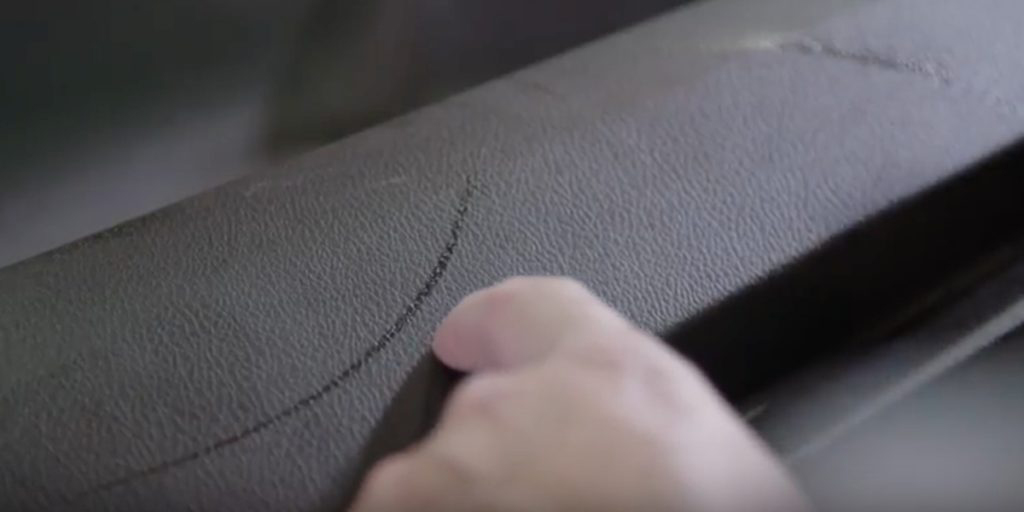
The surface gloss of ABS injection molded parts is poor, and there are two core influencing factors: 1) Insufficient polishing accuracy of the mold surface, resulting in rough, scratched, and stained mold surfaces, leading to the replication of mold surface defects on the product surface and a decrease in gloss. 2) Molten material cools too early during mold filling, causing the molecular chains to fail to fully stretch and resulting in the inability to form a smooth mirror effect. At the same time, it may be accompanied by surface fogging, flow marks, and other problems, indirectly affecting gloss.
3.2 Solutions of Poor Surface Gloss
- Optimize temperature parameters: Increase the temperature of the barrel and nozzle, improve the flowability of the melt, and ensure that the melt can fully adhere to the surface of the mold. Increase mold temperature, which has a significant impact on the surface gloss of the product (the higher the mold temperature, the smoother the product surface, and the better the gloss). Adjust mold temperature to 60-80 ℃ according to the product requirements to avoid premature cooling of the melt.
- Adjust injection parameters: Increase injection pressure and injection speed, accelerate the filling speed of the molten material, so that the molten material can quickly and fully adhere to the surface of the mold, and replicate the gloss of the mold surface. Extend holding time, reduce surface sink marks of the product, and improving gloss.
- Optimize material and mold: Improve gate position to ensure smooth material flow, reduce resistance and temperature loss during molten material filling in the mold. Increase the size of the gate and runner to avoid premature cooling and degradation of the melt in the runner, ensure stable melt state, and improve the surface quality of the product.
- Optimize raw materials and molds: Prevent ABS plastic degradation or incomplete plasticization (degradation can cause darkening and poor gloss), adjust process parameters to ensure sufficient plasticization. Repolish the surface of the mold to remove scratches and stains, ensuring a smooth mold surface (the higher the polishing accuracy, the better the gloss of the product). Regularly clean the mold to avoid residue.
- Extend cooling and holding time: Increase the cooling time inside the mold appropriately to ensure that the surface of the product is fully cooled and shaped, avoiding surface scratches and deformation during ejection. Extend holding time, supplement the shrinkage of the melt, avoid sink marks and improve gloss.
4. Flow Marks (Ripple Marks near Gate) on ABS Molded Parts
4.1 Core Cause of Flow Marks
Flow marks are more common in rigid plastic parts such as PS, and ABS plastics (especially high rigidity modified ABS). They appear as concentric ring-like ripples formed on the surface near the gate. The core reason for this is that the viscosity of the molten material is too high, and it advances in a stagnant form during mold filling. As soon as the front-end molten material comes into contact with the surface of the low-temperature mold cavity, it quickly condenses and shrinks, while the subsequent molten material continues to fill the mold, expanding the already contracted cold material. This repeated alternation of “condensation expansion” leads to the formation of surface flow marks, which may be accompanied by increased internal stress and brittleness.
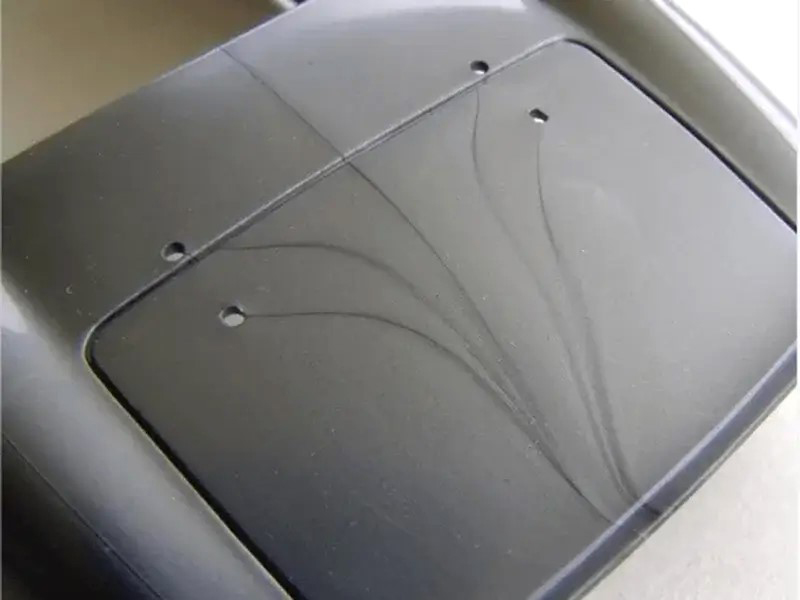
4.2 Solution of Flow Marks
- Improve temperature parameters: Focus on increasing the temperature of the barrel and nozzle, reducing the viscosity of the molten material, improving flowability, and avoiding slug flow. Simultaneously increase mold temperature, slow down the condensation rate at the front end of the molten material, reducing the conflict between cold material shrinkage and subsequent molten material, and fundamentally reducing flow marks.
- Increase filling speed: Increase the injection pressure and speed to quickly fill the mold cavity, reduce the condensation time of molten material on the surface of the mold cavity, avoid the repeated alternation of cold material at the front end and subsequent molten material, and eliminate flow marks. Pay attention to controlling the speed to avoid flash.
- Optimize runner and gate: Improve size of the runner and gate, increase the cross-sectional area, reduce the flow resistance of the molten material, and lower the viscosity of the molten material (reducing resistance can avoid excessive shearing of the molten material and reduce the increase in viscosity). Place the gate in the thicker part of the product to ensure smooth material flow and avoid stress concentration and flow marks near the gate.
- Improve mold venting and cold slug treatment: The mold venting should be good, and add vents to timely expel the air in the mold cavity, avoiding gas obstruction of the molten material flow and exacerbating the flow marks. Set up a sufficiently large cold slug well to collect cold materials at the front end, avoiding them from entering the mold cavity and mixing with subsequent molten materials to form ripples.
- Optimize product design: Avoid product design that is too thin, as the molten material cools too quickly during mold filling of thin products, which can easily cause flow marks. Without affecting the use, increase wall thickness of the product appropriately or set a transition section near the gate to reduce flow marks.
5. Summary and Precautions
The various defects of ABS injection molded parts are mostly related to “internal stress”, “insufficient plasticization”, “uneven cooling”, and “improper mold filling”. When troubleshooting, the order of “raw materials first, then process, then mold, and finally equipment” can be followed step by step to avoid blind adjustment. At the same time, pay attention to the following points:
① Dry the raw materials, inspect the equipment, and clean the molds before production to reduce defects from the source;
② When adjusting process parameters, follow the principle of “single variable”, adjust only one parameter at a time, observe the changes in the product, and avoid the problem of inability to locate due to simultaneous adjustment of multiple parameters;
③ For complex products and modified ABS (such as flame-retardant ABS and heat-resistant ABS), it is necessary to adjust the parameters according to the characteristics of the raw materials, and consult the raw material manufacturer or professional technicians if necessary.
Want more technical support? Want to find a reliable manufacturing partner for your custom parts or finished product? please feel free to contact us at sales@kingstarmold.com or leave online message. You will surely get response via emailing within 24 hours.