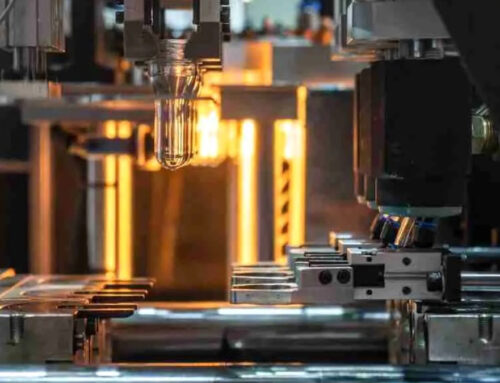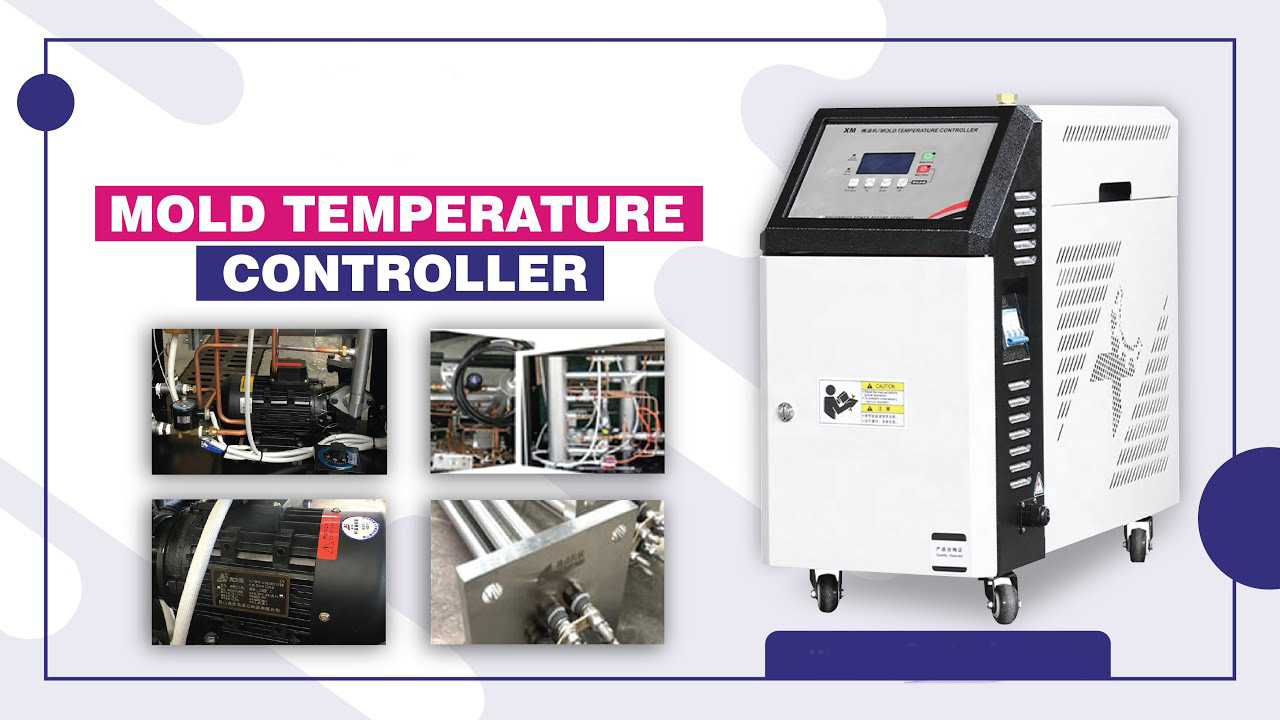
In the field of injection molding, temperature control is one of the core factor that determine product quality and production efficiency. As a key carrier in injection molding, the temperature stability of molds directly affects the appearance, performance, and molding cycle of plastic parts. The mold temperature controller (MTC) is the core equipment that solves various quality issues and optimizes the processing flow in plastic injection molding production by accurately regulating the mold temperature.
The core function of the mold temperature controller is to use the principle of heat exchange to heat oil or water to the optimal temperature required for product molding, and then feed it into the mold through a circulation system to quickly increase the mold temperature and maintain it constant. Its specific role is reflected in the following three scenarios:
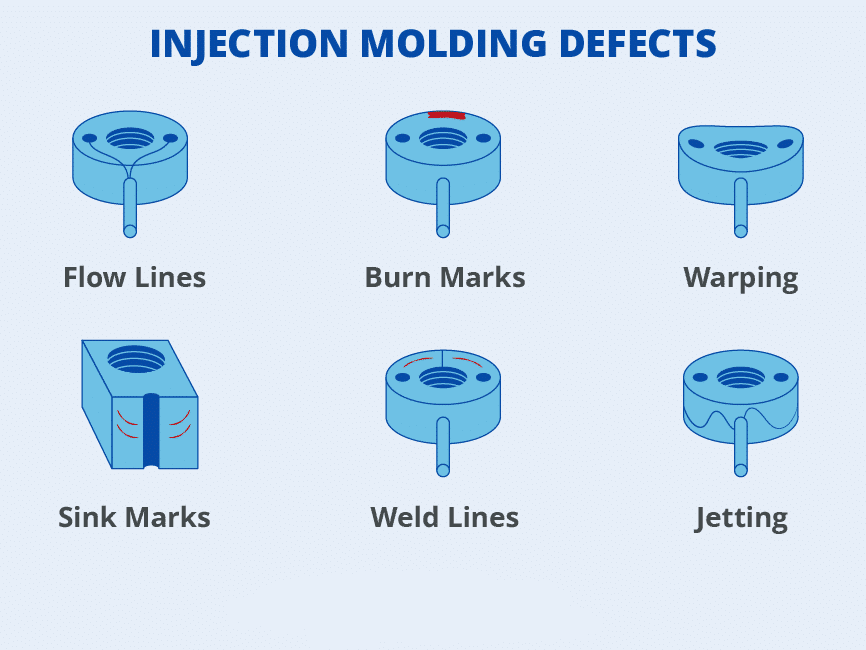
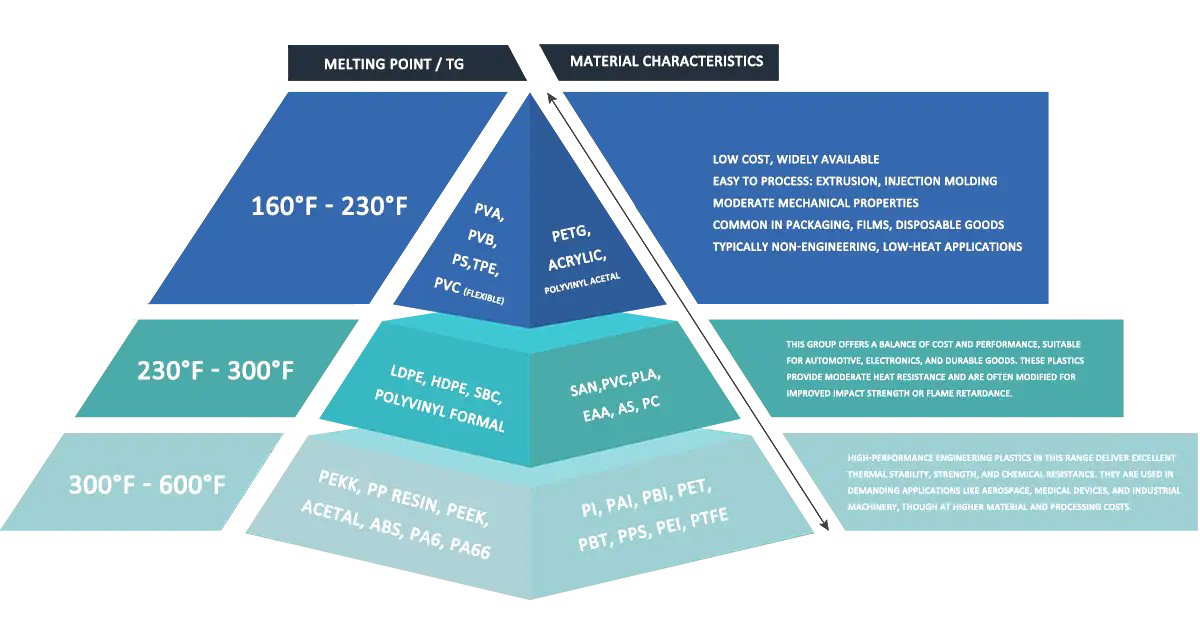
- Improving Plastic Part Quality: Plastic has physical properties of thermal expansion and contraction. If the mold temperature is unstable or does not meet the molding requirements, plastic parts are prone to defects such as sink marks, bubbles, splay, warpage, cracking, insufficient transparency, and rough surface. Especially for engineering plastics such as PC, PBT, PA, etc., the temperature requirements are higher, and the heat generated by the injection molding machine itself cannot meet the demand. The mold temperature controller can accurately adjust and stabilize the mold temperature, greatly reducing the product defect rate.
- Adapting to Die Casting Process Needs: In die-casting work, the mold temperature machine can maintain the mold temperature within the optimal range, avoiding mold overheating and sticking, ensuring continuous and stable production. At the same time, it can improve the dimensional accuracy and surface smoothness of castings, prevent cracks caused by shrinkage, and assist in the smooth production of complex thin-walled castings.
- Optimizing Core Processing Indicators: The mold temperature machine heats the mold and maintains a constant working temperature, ensuring stable and uniform quality of injection molded parts, shortening the mold opening time, optimizing the molding cycle, and achieving a dual improvement in quality and efficiency. It is an indispensable key equipment in the injection molding industry. Click and read more: Quality Inspection Standards for Plastic Products
2. Strategic Use of MTCs in Modern Manufacturing Workflows
The application of mold temperature controller revolves around the control of mold thermal balance and precise temperature regulation, which runs through the entire process of injection molding. Its specific applications include:
- Mold Thermal Balance Control: Heat transfer between the injection molding machine and the mold is the key to injection molding production. Inside the mold, the heat generated by the plastic is transferred to the mold steel through thermal radiation, and then conducted through a thermal fluid. Finally, the excess heat is taken away by the mold temperature controller. The thermal equilibrium of the mold can be expressed as: P=Pm-Ps (P is heat carried away by the MTC; Pm is heat introduced by plastic; Ps is heat emitted by the mold into the atmosphere. The MTC maintains this balance to ensure stable mold temperature.
- Accurate Control of Mold Temperature Parameters: In injection molding process, the core control objectives of the MTC are as follows: one is to quickly heat the mold to the set working temperature, and the other is to maintain a constant temperature during the molding process. These two points directly determine the optimization of cycle time while ensuring stable and high-quality injection molded parts.
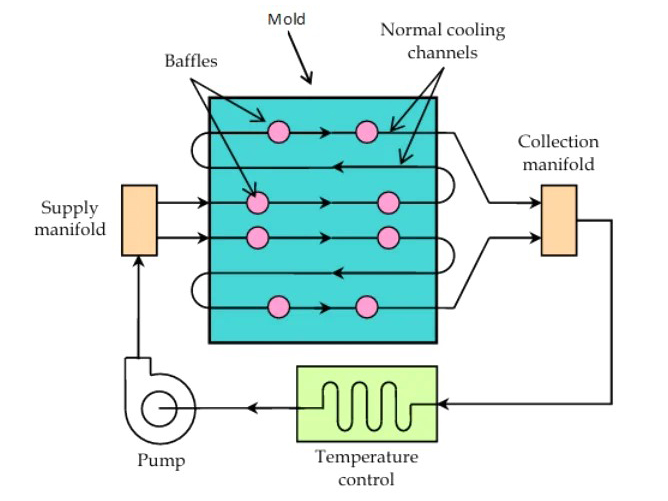
- Meet Core Requirements of the Temperature Control System: The temperature control system consists of three parts: mold, mold temperature controller, and thermal fluid. The MTC needs to cooperate with the system to meet three major conditions:
① Sufficient surface area of the mold cooling channel, matching the pressure of the pump with the diameter of the channel, and reasonable layout of the channel can reduce the internal stress of the plastic part.
② The MTC needs to keep the temperature of the heat transfer fluid constantly within the range of 1 ℃ -3 ℃ (adjusted according to product quality requirements).
③ Thermal fluid needs to have excellent thermal conductivity and be able to introduce or export a large amount of heat in a short period of time (thermodynamically, water has better thermal conductivity than oil).
3. Key Influence of Mold Temperature Controllers on Injection Molding
The temperature of the mold directly affects the surface quality, flowability, shrinkage rate, injection cycle, and warpage degree of the injection molded parts. Different materials also have different sensitivities to mold temperature:
- Thermoplastics: When the mold temperature is too high, the surface quality and flowability of the plastic parts will improve, but the cooling time and injection cycle will be extended. When the mold temperature is low, the shrinkage of the plastic part inside the mold can be reduced, but the shrinkage rate of the plastic part will increase after demolding.
- Thermosetting Plastics: When the mold temperature is too high, it usually shortens the cycle time (determined by the cooling time of the entire machine), while reducing plasticization time and cycle times.
4. When and Why to Increase Your Mold Temperature
In practical operation, mold temperature is usually set from the lowest appropriate temperature of the material used, and then adjusted upwards according to the quality condition. Raising the mold temperature will bring the following specific effects:
- Positive Effect: ① Improve the crystallinity and structural uniformity of the molded product; ② Make the injection molding shrinkage more complete and decrease the post-shrinkage; ③ Enhance the heat resistance and strength of molded products; ④ Reduce molecular alignment, residual internal stress, and warpage; ⑤ Reduce flow resistance during filling and minimize pressure loss; ⑥ Make the appearance of the formed product more glossy and have a better texture; ⑦ Reduce the visibility of the weld line; ⑧ Reduce sink marks in the far gate area and increase their occurrence in the near gate area.
- Potential Shortcomings: ① Increase the probability of producing burrs on molded products; ② Extend the cooling time. Click and read more: Weekly Pill Box: Why Everyone Needs One for Medication & Vitamin Management
Summary
As the “temperature manager” of injection molding, the capability of the mold temperature controller not only solves various molding quality issues, but also plays an irreplaceable role in optimizing production efficiency and reducing costs. Whether it is ordinary plastic parts or high-precision engineering plastic parts, selecting and adjusting the mold temperature machine reasonably can make injection molding production more stable and product quality more outstanding.
If you encounter technical issues in injection molding production, or want to find a reliable custom part manufacturer, please contact KingStar at sales@kingstarmold.com or leave message online. We will reply to you within 24 hours.